Can Direct To Film be used on glass?
As a supplier of Direct To Film (DTF) technology, I often get asked a wide range of questions from customers looking to explore the full potential of our products. One question that comes up quite frequently is whether DTF can be used on glass. This is an interesting query that delves into the versatility and limitations of DTF printing, so let’s take a deep – dive into this topic. Direct To Film

Understanding Direct To Film Technology
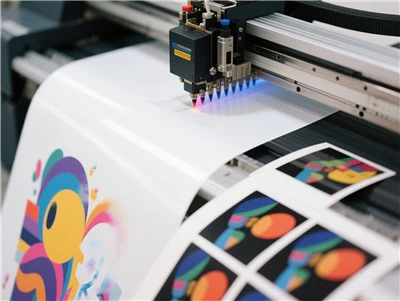
Before we discuss its application on glass, it’s essential to understand what DTF is. Direct To Film printing is a relatively new and innovative method in the world of textile and other surface printing. It involves printing a design directly onto a special transfer film using a DTF printer and ink. After printing, a powder adhesive is applied to the wet ink, which is then melted through a heat – pressing process. This allows the design to be transferred onto various substrates, creating a durable and long – lasting print.
The key advantages of DTF printing are its high – resolution capabilities, the ability to print full – color and complex designs with ease, and its flexibility in terms of substrate compatibility compared to some traditional printing methods. It has become a popular choice for custom – made apparel, promotional items, and more.
The Characteristics of Glass as a Substrate
Glass is a smooth, non – porous, and hard surface. It is chemically inert, has a high melting point, and is resistant to wear and tear. These properties make it a challenging material to print on compared to porous materials like fabric. When it comes to printing, the main challenges with glass are achieving proper adhesion of the ink and ensuring that the print can withstand environmental factors such as moisture, temperature changes, and physical contact.
Feasibility of Using DTF on Glass
The short answer is that it is possible to use DTF on glass, but there are several factors to consider.
1. Adhesion
One of the most significant challenges is getting the DTF print to adhere to the glass surface. Unlike fabrics, glass does not absorb the ink and adhesive. To improve adhesion, the glass surface needs to be properly prepared. This can involve cleaning the glass thoroughly to remove any dirt, grease, or fingerprints. Additionally, using a primer or adhesion promoter can help create a better bond between the DTF transfer and the glass. However, even with these preparations, the adhesion may not be as strong as on fabric, and the print may be more prone to peeling or scratching.
2. Durability
The durability of a DTF print on glass is also a concern. Glass is exposed to various environmental conditions, such as humidity, sunlight, and temperature fluctuations. These factors can affect the longevity of the print. For example, high humidity can cause the ink to lose its adhesion, and prolonged exposure to sunlight can lead to color fading. Special care needs to be taken to ensure that the printed glass is protected from these elements, perhaps by applying a clear protective coating over the print.
3. Heat Resistance
The heat – pressing process in DTF printing requires a certain amount of heat to melt the adhesive powder and transfer the design. Glass has a relatively high heat capacity, and it can withstand high temperatures without deforming. However, uneven heating can cause the glass to crack, so it’s crucial to use a heat – pressing method that distributes heat evenly.
Potential Applications of DTF on Glass
Despite the challenges, there are some potential applications for using DTF on glass.
1. Decorative Glass
DTF can be used to create unique and personalized designs on decorative glass items such as vases, photo frames, or stained – glass – style panels. This allows for a high level of customization, as intricate and detailed designs can be printed with ease.
2. Promotional Glassware
For businesses looking to promote their brand, DTF – printed glassware such as mugs or tumblers can be an effective marketing tool. Custom – printed glassware can be given away as promotional items or sold as merchandise.
3. Art Installations
Artists can use DTF on glass to create one – of – a – kind art installations. The ability to print high – resolution images and complex designs makes it possible to achieve a wide range of artistic effects.
Tips for Successful DTF Printing on Glass
If you decide to try DTF printing on glass, here are some tips to increase your chances of success:
1. Surface Preparation
As mentioned earlier, thoroughly clean the glass surface with a glass cleaner and a lint – free cloth. After cleaning, apply an adhesion promoter according to the manufacturer’s instructions.
2. Test Prints
Before printing a large batch, it’s a good idea to do some test prints on small pieces of glass. This will allow you to adjust the printer settings, such as the ink density and heat – pressing parameters, to achieve the best results.
3. Heat – Pressing
Use a heat press with a flat and even surface to ensure that the heat is distributed evenly across the glass. Set the appropriate temperature and pressure based on the type of DTF film and adhesive powder you are using. Do not overheat the glass, as this can cause cracking.
4. Protective Coating
After transferring the design, apply a clear protective coating to enhance the durability of the print. This will protect the print from moisture, scratches, and UV radiation.
Conclusion
In conclusion, while using DTF on glass presents some challenges, it is indeed a feasible option with the right approach and preparations. The ability to create custom – printed glass items offers a unique opportunity for businesses and artists alike. As a DTF supplier, we are committed to providing the highest – quality products and support to help you achieve the best results, whether you are printing on fabric, glass, or other substrates.
If you are interested in exploring the possibilities of DTF printing on glass or other materials, we invite you to contact us to discuss your specific needs. Our team of experts is ready to assist you with product selection, technical advice, and any other questions you may have. Let’s work together to bring your creative ideas to life!
Protection Film References
- "Textile Printing Technology" by various authors – A comprehensive guide on different textile and non – textile printing methods.
- "Glass Materials Science Handbook" – Provides in – depth information on the properties of glass and its applications.
- Industry reports on DTF printing technology and its emerging applications, gathered through market research and analysis.
Saint-New Material Engineering Technology (Shenzhen) Co., Ltd.
As one of the leading direct to film manufacturers in China, we warmly welcome you to wholesale high quality direct to film in stock here and get quotation from our factory. For customized service, contact us now.
Address: Building 2, Yinmandi High-tech Industrial Park, Qinghu Village, Qishi Town, Dongguan City, Guangdong Province
E-mail: Pairfilmsales@aliyun.com
WebSite: https://www.smetlink.com/
