As a supplier of chemical building materials, I’ve witnessed firsthand the profound impact these materials have on the aesthetics of buildings. Chemical building materials, ranging from paints and coatings to adhesives and sealants, play a crucial role in enhancing and defining the visual appeal of structures. In this blog post, I’ll explore how chemical building materials affect the aesthetics of buildings from various perspectives. Chemical Building Materials
Color and Finish
One of the most obvious ways chemical building materials influence building aesthetics is through color and finish. Paints and coatings are perhaps the most well – known chemical building materials in this regard. They can transform a dull, plain building into a vibrant and eye – catching structure.
Modern paints offer a vast spectrum of colors, from the most subdued pastels to the boldest primaries. This allows architects and designers to create unique color schemes that align with the building’s purpose, location, and surrounding environment. For example, a commercial building in a bustling city center might benefit from a bright, energetic color palette to attract attention, while a residential building in a suburban area could use more muted, earthy tones for a sense of tranquility.
In addition to color, the finish of a paint or coating can also significantly impact the building’s appearance. Glossy finishes can give a building a sleek, modern look, reflecting light and creating a sense of luxury. Matte finishes, on the other hand, provide a more understated, sophisticated appearance and are often used in contemporary architecture to achieve a minimalist aesthetic.
Powder coatings are another type of chemical building material that can offer a high – quality, durable finish. They are commonly used on metal components such as window frames and doors. Powder coatings come in a wide range of colors and textures, including smooth, hammered, and textured finishes, which can add visual interest to the building’s exterior.
Surface Protection and Long – term Appearance
Chemical building materials not only enhance the initial appearance of a building but also help maintain its aesthetics over time. Sealants and protective coatings are essential for protecting building surfaces from environmental factors such as weather, UV radiation, and pollution.
Waterproof sealants are used to prevent water infiltration, which can cause damage to building materials such as wood, concrete, and masonry. By keeping water out, these sealants help prevent issues like rot, mold growth, and cracking, which can significantly detract from a building’s appearance. For example, a well – sealed roof can maintain its integrity and appearance for many years, while a poorly sealed roof may develop leaks and stains, making the building look shabby.
Anti – graffiti coatings are another important type of chemical building material for maintaining a building’s aesthetics. These coatings make it easier to clean graffiti from the surface, reducing the time and cost associated with graffiti removal. This is particularly important in urban areas where graffiti can be a common problem.
Texture and Pattern
Chemical building materials can also be used to create interesting textures and patterns on building surfaces. Textured paints and coatings can add depth and dimension to a building, making it more visually appealing. For example, a stucco – like finish can give a building a Mediterranean or Spanish – style look, while a textured metallic coating can create a modern, industrial aesthetic.
Adhesives can also play a role in creating patterns. For instance, when installing tiles or stone veneers, the type of adhesive used can affect the spacing and alignment of the tiles, which in turn can create different patterns. A carefully designed tile pattern can add a decorative element to a building’s interior or exterior.
Integration with Architectural Design
Chemical building materials need to be carefully selected and integrated with the overall architectural design of a building. They should complement the building’s style, form, and function. For example, in a contemporary building with clean lines and a minimalist design, a smooth, high – gloss paint finish might be appropriate. In a more traditional building, a textured paint or a natural – looking finish could enhance the building’s character.
Moreover, chemical building materials can be used to create unique architectural features. For example, special coatings can be applied to create a faux – stone or faux – wood effect, which can be a cost – effective alternative to using real stone or wood. This allows architects to achieve a desired aesthetic without the high cost and maintenance requirements of natural materials.
Sustainability and Aesthetics
In today’s environmentally conscious world, the sustainability of chemical building materials is also an important consideration for building aesthetics. Green building materials, such as low – VOC (volatile organic compound) paints and coatings, not only have a lower impact on the environment but can also contribute to a building’s overall aesthetic appeal.
Low – VOC paints are available in a wide range of colors and finishes, just like traditional paints. They are less likely to emit harmful chemicals into the air, which is beneficial for the health of building occupants. Additionally, using sustainable materials can enhance a building’s reputation and make it more attractive to environmentally conscious clients.
Impact on Interior Aesthetics
Chemical building materials also have a significant impact on the interior aesthetics of buildings. Interior paints, wall coverings, and floor coatings can transform the look and feel of a space. For example, a bold color on an accent wall can add a pop of color and create a focal point in a room.
Adhesives used for installing carpets, laminates, and other floor coverings can ensure a smooth and seamless installation, which is essential for a polished interior look. Similarly, sealants used in bathrooms and kitchens can prevent water damage and maintain the cleanliness and appearance of these areas.
Conclusion
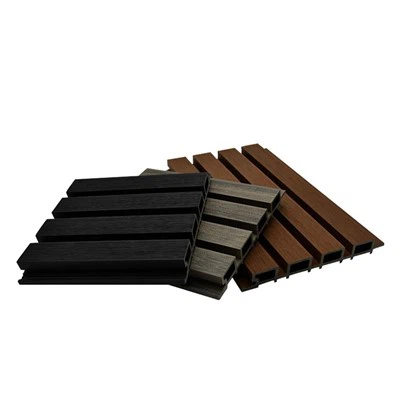
In conclusion, chemical building materials have a far – reaching impact on the aesthetics of buildings. From color and finish to surface protection, texture, and integration with architectural design, these materials offer endless possibilities for creating visually appealing structures. As a supplier of chemical building materials, I understand the importance of providing high – quality products that not only meet the functional requirements of a building but also enhance its aesthetic appeal.
Aluminum Profiles If you’re an architect, designer, or builder looking for chemical building materials to enhance the aesthetics of your next project, I invite you to reach out to me. I’m here to offer expert advice on product selection and to provide you with the best – quality materials that will help you achieve your design goals. Let’s work together to create buildings that are not only functional but also beautiful.
References
- "Building Materials: Principles, Properties, and Selection" by John Newman
- "The Chemistry of Building Materials" by David C. Aitken
- "Architectural Coatings: Science and Technology" by John W. Taylor
Shanxi Johnson Construction Investment Co., Ltd
As one of the most professional chemical building materials suppliers in China, we’re featured by cheap products and good service. Please rest assured to buy customized chemical building materials made in China here from our factory. Contact us for pricelist.
Address:
E-mail: yw@johnsonhcg.com
WebSite: https://www.h-krieger.com/
