Ensuring the accuracy of data collection in a Construction Hoist Monitoring System is of paramount importance for the safety and efficiency of construction projects. As a supplier of Construction Hoist Monitoring Systems, I understand the challenges and intricacies involved in achieving this goal. In this blog post, I will share some insights and strategies on how to ensure the accuracy of data collection in such systems. Construction Hoist Monitoring System
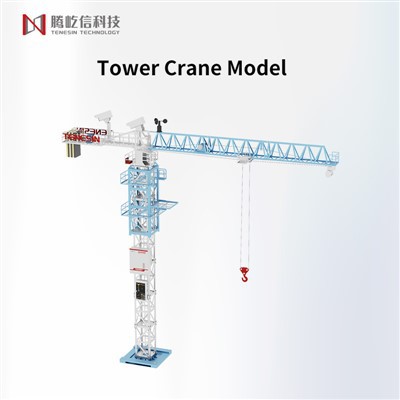
Understanding the Importance of Accurate Data Collection
Accurate data collection is the foundation of any effective monitoring system. In the context of construction hoists, it provides crucial information about the hoist’s performance, safety status, and operational parameters. This data helps construction managers make informed decisions, prevent accidents, and optimize the use of hoists.
For example, accurate data on load capacity can prevent overloading, which is a major cause of hoist failures. Monitoring the hoist’s speed, acceleration, and deceleration can help detect any abnormal behavior that may indicate mechanical issues. Additionally, data on the hoist’s position and movement can ensure its proper alignment and safe operation.
Factors Affecting Data Accuracy
Several factors can affect the accuracy of data collection in a Construction Hoist Monitoring System. These include:
- Sensor Quality: The quality of sensors used in the monitoring system is crucial. High-quality sensors are more accurate and reliable, providing precise data. It is important to choose sensors that are specifically designed for construction hoist monitoring and have been tested for accuracy and durability.
- Installation and Calibration: Proper installation and calibration of sensors are essential for accurate data collection. Sensors should be installed in the correct location and orientation to ensure they can accurately measure the relevant parameters. Regular calibration is also necessary to maintain the accuracy of the sensors over time.
- Environmental Conditions: Construction sites are often harsh environments with dust, vibrations, and extreme temperatures. These conditions can affect the performance of sensors and lead to inaccurate data. It is important to choose sensors that are designed to withstand these environmental conditions and to protect them from damage.
- Data Transmission and Storage: The accuracy of data collection also depends on the reliability of data transmission and storage. Wireless communication technologies are commonly used in construction hoist monitoring systems, but they can be affected by interference and signal loss. It is important to choose a reliable communication protocol and to ensure that the data is securely stored and backed up.
Strategies for Ensuring Data Accuracy
To ensure the accuracy of data collection in a Construction Hoist Monitoring System, the following strategies can be implemented:
- Use High-Quality Sensors: Invest in high-quality sensors that are specifically designed for construction hoist monitoring. These sensors should have a high level of accuracy and reliability, and they should be able to withstand the harsh environmental conditions of construction sites.
- Proper Installation and Calibration: Ensure that sensors are installed in the correct location and orientation, and that they are properly calibrated. Regular calibration should be performed to maintain the accuracy of the sensors over time.
- Environmental Protection: Protect sensors from dust, vibrations, and extreme temperatures. Use protective enclosures and shielding to ensure that the sensors are not affected by the harsh environmental conditions of construction sites.
- Data Validation and Verification: Implement data validation and verification procedures to ensure that the data collected is accurate and reliable. This can include comparing the data with historical data, performing statistical analysis, and using data from multiple sensors to cross-validate the results.
- Regular Maintenance and Inspection: Regularly maintain and inspect the monitoring system to ensure that it is functioning properly. This can include checking the sensors, cables, and communication equipment, and performing any necessary repairs or replacements.
Case Study: Improving Data Accuracy in a Construction Hoist Monitoring System
To illustrate the importance of ensuring data accuracy in a Construction Hoist Monitoring System, let’s consider a case study. A construction company was experiencing issues with the accuracy of data collection in their hoist monitoring system. The data showed inconsistent readings for load capacity and speed, which made it difficult for the construction managers to make informed decisions.
The company decided to implement the following strategies to improve data accuracy:
- Upgrade the Sensors: The company replaced the existing sensors with high-quality sensors that were specifically designed for construction hoist monitoring. These sensors had a higher level of accuracy and reliability, and they were able to withstand the harsh environmental conditions of the construction site.
- Proper Installation and Calibration: The sensors were installed in the correct location and orientation, and they were properly calibrated. Regular calibration was performed to maintain the accuracy of the sensors over time.
- Environmental Protection: The sensors were protected from dust, vibrations, and extreme temperatures using protective enclosures and shielding. This helped to ensure that the sensors were not affected by the harsh environmental conditions of the construction site.
- Data Validation and Verification: The company implemented data validation and verification procedures to ensure that the data collected was accurate and reliable. This included comparing the data with historical data, performing statistical analysis, and using data from multiple sensors to cross-validate the results.
- Regular Maintenance and Inspection: The monitoring system was regularly maintained and inspected to ensure that it was functioning properly. This included checking the sensors, cables, and communication equipment, and performing any necessary repairs or replacements.
After implementing these strategies, the company noticed a significant improvement in the accuracy of data collection in their hoist monitoring system. The data was more consistent and reliable, which allowed the construction managers to make informed decisions and optimize the use of the hoists.
Conclusion

Ensuring the accuracy of data collection in a Construction Hoist Monitoring System is essential for the safety and efficiency of construction projects. By understanding the factors that affect data accuracy and implementing the strategies outlined in this blog post, construction companies can improve the reliability and effectiveness of their monitoring systems.
Tower Crane Monitoring System As a supplier of Construction Hoist Monitoring Systems, I am committed to providing high-quality products and services that ensure the accuracy of data collection. If you are interested in learning more about our products or would like to discuss your specific needs, please contact us for a consultation. We look forward to working with you to improve the safety and efficiency of your construction projects.
References
- [1] "Construction Hoist Safety Standards and Regulations," International Construction Equipment Association.
- [2] "Sensor Technology for Construction Hoist Monitoring," Journal of Construction Engineering and Management.
- [3] "Data Management in Construction Hoist Monitoring Systems," Proceedings of the Construction Industry Institute.
Dalian Tenesin Technology Co., Ltd.
We are one of the leading manufacturers and suppliers of construction hoist monitoring system in China, specialized in providing high quality customized service. Please rest assured to buy construction hoist monitoring system made in China here from our factory.
Address: No. 1, 21st Floor, Unit 2, No. 33 Liuxi Dongyuan, Ganjingzi District, Dalian City (business premises No.89, Xinyi Street, Ganjingzi District, Dalian City, Liaoning Province)
E-mail: dltenesintechnology@gmail.com
WebSite: https://www.dltenesin.com/
