As a seasoned supplier of industrial air blowers, I’ve witnessed firsthand the critical role these machines play in various industrial processes. Whether it’s for ventilation, drying, or pneumatic conveying, the performance of an industrial air blower can significantly impact productivity, energy efficiency, and overall operational costs. In this blog post, I’ll share some valuable insights on how to optimize the performance of an industrial air blower, drawing from my years of experience in the industry. Industrial Air Blower
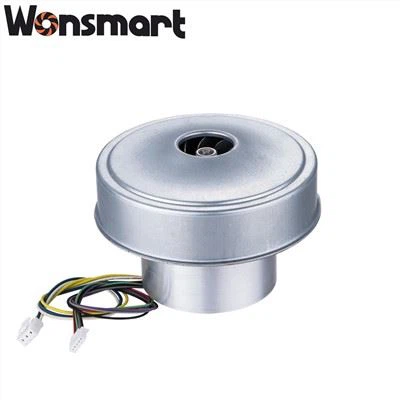
Understanding the Basics of Industrial Air Blowers
Before delving into optimization strategies, it’s essential to have a basic understanding of how industrial air blowers work. Industrial air blowers are mechanical devices that move air or gas from one place to another. They typically consist of a motor, an impeller, and a housing. The motor drives the impeller, which rotates at high speeds to create a flow of air or gas. The housing encloses the impeller and directs the airflow in the desired direction.
There are several types of industrial air blowers, each with its own unique characteristics and applications. Some common types include centrifugal blowers, axial blowers, and positive displacement blowers. Centrifugal blowers are the most widely used type and are suitable for applications that require high-pressure and low-volume airflow. Axial blowers, on the other hand, are ideal for applications that require low-pressure and high-volume airflow. Positive displacement blowers are used for applications that require a constant flow of air or gas, regardless of the pressure.
Factors Affecting the Performance of Industrial Air Blowers
Several factors can affect the performance of an industrial air blower, including:
- Airflow and Pressure Requirements: The airflow and pressure requirements of the application will determine the size and type of air blower needed. It’s important to select an air blower that can meet the specific requirements of the application to ensure optimal performance.
- Motor Efficiency: The efficiency of the motor used in the air blower can have a significant impact on its performance. A high-efficiency motor will consume less energy and operate more smoothly, resulting in lower operating costs and longer equipment lifespan.
- Impeller Design: The design of the impeller can also affect the performance of the air blower. A well-designed impeller will create a more efficient airflow and reduce turbulence, resulting in higher performance and lower energy consumption.
- System Resistance: The resistance of the system, including ductwork, filters, and other components, can affect the performance of the air blower. It’s important to minimize system resistance to ensure optimal airflow and performance.
- Maintenance and Lubrication: Regular maintenance and lubrication are essential for ensuring the optimal performance of an industrial air blower. This includes cleaning the impeller, checking the motor and bearings, and replacing worn parts as needed.
Optimization Strategies for Industrial Air Blowers
Now that we understand the factors that affect the performance of industrial air blowers, let’s explore some optimization strategies that can help improve their performance:
- Select the Right Air Blower: The first step in optimizing the performance of an industrial air blower is to select the right one for the application. This involves considering factors such as airflow and pressure requirements, motor efficiency, and impeller design. It’s important to work with a reputable supplier who can provide expert advice and guidance on selecting the right air blower for your specific needs.
- Optimize System Design: The design of the system, including ductwork, filters, and other components, can have a significant impact on the performance of the air blower. It’s important to optimize the system design to minimize resistance and ensure optimal airflow. This may involve using larger ductwork, reducing the number of bends and elbows, and selecting the right filters for the application.
- Improve Motor Efficiency: The efficiency of the motor used in the air blower can be improved by using a high-efficiency motor, reducing the load on the motor, and ensuring proper maintenance and lubrication. It’s also important to consider using variable frequency drives (VFDs) to control the speed of the motor and reduce energy consumption.
- Regular Maintenance and Lubrication: Regular maintenance and lubrication are essential for ensuring the optimal performance of an industrial air blower. This includes cleaning the impeller, checking the motor and bearings, and replacing worn parts as needed. It’s important to follow the manufacturer’s recommended maintenance schedule to ensure the longevity and reliability of the air blower.
- Monitor and Control Performance: Monitoring and controlling the performance of the air blower is essential for ensuring optimal operation and efficiency. This may involve using sensors and control systems to monitor airflow, pressure, and temperature, and adjusting the operation of the air blower as needed.
Benefits of Optimizing the Performance of Industrial Air Blowers
Optimizing the performance of industrial air blowers can provide several benefits, including:
- Energy Savings: By improving the efficiency of the air blower, you can reduce energy consumption and lower operating costs. This can result in significant savings over the lifespan of the equipment.
- Improved Productivity: A well-performing air blower can help improve productivity by ensuring optimal airflow and ventilation. This can help prevent equipment downtime and improve the quality of the products or services being produced.
- Extended Equipment Lifespan: Regular maintenance and optimization can help extend the lifespan of the air blower, reducing the need for costly replacements and repairs.
- Environmental Benefits: By reducing energy consumption, you can also reduce your carbon footprint and contribute to a more sustainable environment.
Conclusion

Optimizing the performance of an industrial air blower is essential for ensuring optimal operation, efficiency, and productivity. By understanding the factors that affect the performance of the air blower and implementing the optimization strategies outlined in this blog post, you can improve the performance of your air blower and achieve significant cost savings and environmental benefits.
Disinfecting Mist Sprayer Blower If you’re interested in learning more about how to optimize the performance of your industrial air blower or are looking for a reliable supplier of industrial air blowers, please don’t hesitate to contact us. Our team of experts is available to provide you with expert advice and guidance on selecting the right air blower for your specific needs and optimizing its performance.
References
- ASHRAE Handbook – HVAC Systems and Equipment. American Society of Heating, Refrigerating and Air-Conditioning Engineers, Inc.
- Industrial Ventilation: A Manual of Recommended Practice. American Conference of Governmental Industrial Hygienists.
- Fan Engineering: The Application, Selection, and Testing of Fans. Buffalo Forge Company.
Ningbo Wonsmart Motor Fan Co., Ltd
As one of the most professional industrial air blower manufacturers and suppliers in China, we’re featured by quality products and good service. Please rest assured to buy high-grade industrial air blower at competitive price from our factory.
Address: 103, Building 0010, Huiding Chuangzhi Park, No.228, Shengyuan Road, Jiangkou Street, Fenghua District, NingBo City, ZheJiang Province, China
E-mail: sales7@wonsmart.com
WebSite: https://www.wonsmartblower.com/
