Can glass wool insulation be used in basements?
As a supplier of glass wool insulation, I often get asked whether glass wool insulation can be used in basements. It’s a crucial question considering the unique environment and requirements of basements. In this blog, I’ll delve into the feasibility, benefits, and considerations of using glass wool insulation in basements. Glass Wool Insulation
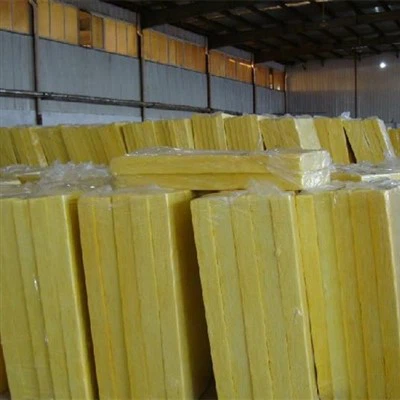
Understanding Glass Wool Insulation
Glass wool insulation is made from recycled glass and sand, which are melted down and spun into fine fibers. These fibers create a porous structure that traps air, providing excellent thermal and acoustic insulation properties. Glass wool is lightweight, easy to install, and relatively cost – effective compared to some other insulation materials.
Feasibility in Basements
Basements present a challenging environment. They are prone to high humidity levels, potential water seepage, and temperature fluctuations. However, glass wool insulation can be a viable option under the right circumstances.
Thermal Insulation: Basements tend to be cooler than the rest of the house, and glass wool can significantly reduce heat transfer. By insulating the basement walls and ceiling with glass wool, you can keep the basement warmer in winter and cooler in summer. This not only enhances the comfort of the basement space but also contributes to overall energy efficiency in the home. For example, in a well – insulated basement, the heating and cooling systems in the main part of the house don’t have to work as hard to maintain a comfortable temperature.
Acoustic Insulation: Glass wool is also great for reducing noise transmission. Basements can sometimes act as a sound chamber, and the insulation helps to dampen sounds from outside or from other parts of the house. This is especially useful if you plan to use the basement as a living area, such as a home theater or a bedroom.
Benefits of Using Glass Wool in Basements
Energy Savings: When properly installed, glass wool insulation can lead to substantial energy savings. By reducing heat loss in winter and heat gain in summer, you can lower your energy bills. According to some studies, effective insulation in basements can reduce energy consumption for heating and cooling by up to 20 – 30%.
Fire Resistance: Glass wool is non – combustible, which adds an extra layer of safety to your basement. In case of a fire, it won’t contribute to the spread of flames, giving you more time to evacuate and potentially reducing property damage.
Eco – Friendly: Since it’s made from recycled materials, glass wool is an environmentally friendly choice. It helps to reduce the demand for new raw materials and minimizes waste.
Considerations for Using Glass Wool in Basements
Moisture Management: The biggest challenge in basements is moisture. Glass wool can absorb moisture, which can lead to mold growth and a decrease in its insulation effectiveness. To counter this, it’s essential to have a proper moisture management system in place. This may include waterproofing the basement walls and floor, installing a vapor barrier on the warm side of the insulation, and ensuring proper ventilation.
Installation: Correct installation is crucial for the performance of glass wool insulation. It should be installed tightly against the surfaces without any gaps or compression. If the insulation is compressed, its thermal performance will be reduced. Professional installation is recommended, especially in basements where the environment is more complex.
Maintenance: Regular maintenance is necessary to ensure the long – term performance of the glass wool insulation. Check for any signs of moisture, mold, or damage. If any issues are detected, they should be addressed promptly.
Case Studies
Let’s look at a couple of real – life examples. In a suburban home, the basement was used as a playroom and a home office. The homeowners decided to insulate the basement with glass wool. After installation, they noticed a significant improvement in the temperature and noise levels. The basement became more comfortable to use, and their energy bills decreased.
Another case involved a commercial building with a basement storage area. By insulating the basement with glass wool, the building owner was able to maintain a more stable temperature, which was important for storing certain products. The insulation also helped to reduce noise from the upper floors, creating a more peaceful working environment.
Conclusion

In conclusion, glass wool insulation can be used in basements, but it requires careful consideration of the basement’s environment and proper installation and maintenance. The benefits of energy savings, fire resistance, and acoustic insulation make it an attractive option. However, moisture management is the key to ensuring the long – term performance of the insulation.
Rock Wool Tube If you’re considering using glass wool insulation in your basement or have any questions about our products, I encourage you to reach out. Our team of experts is ready to discuss your specific needs and provide you with the best solutions. Whether you’re a homeowner looking to improve your basement’s comfort or a commercial property owner seeking energy – efficient insulation, we can help.
References
- "Insulation Handbook" by the Insulation Manufacturers Association
- "Building Science Principles for Basement Insulation" by the Building Science Corporation
- "Energy – Efficient Basement Design and Insulation" research papers from the Department of Energy
Langfang Henggang Energy Saving Technology Co.,Ltd
We’re well-known as one of the leading glass wool insulation manufacturers and suppliers in China, featured by quality products and good price. Please rest assured to buy high-grade glass wool insulation for sale here from our factory.
Address: Liugezhuang Town, Dacheng County, Langfang City, Hebei Province, China
E-mail: lfhenggang@outlook.com
WebSite: https://www.hgglasswool.com/
