As a supplier of aluminum foil ducts, I’m frequently asked about how to enhance the impact resistance of these products. Aluminum foil ducts are widely used in various ventilation systems due to their lightweight, flexibility, and cost – effectiveness. However, their relatively low impact resistance can sometimes be a concern, especially in environments where they may be subject to physical blows or vibrations. In this blog, I’ll share some practical strategies based on my years of experience in the industry to improve the impact resistance of aluminum foil ducts. Aluminum Foil Duct
Understanding the Structure of Aluminum Foil Ducts
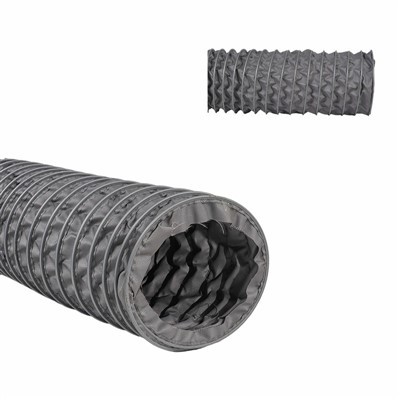
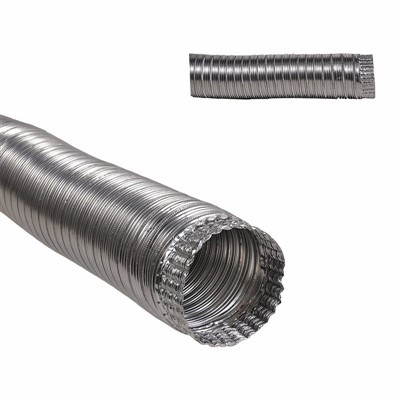
Before delving into the methods of improving impact resistance, it’s essential to understand the basic structure of aluminum foil ducts. Typically, an aluminum foil duct consists of a layer of aluminum foil, which is often supported by a helical wire or a plastic film. The aluminum foil provides the main barrier for air flow, while the supporting structure gives the duct its shape and some degree of rigidity.
The impact resistance of an aluminum foil duct is mainly determined by the properties of the aluminum foil itself, the strength of the supporting structure, and the overall design of the duct. For example, a thicker aluminum foil generally has better impact resistance than a thinner one. Similarly, a stronger supporting wire or a more robust plastic film can help the duct withstand impacts better.
Choosing the Right Aluminum Foil
One of the most straightforward ways to improve the impact resistance of an aluminum foil duct is to select a higher – quality aluminum foil. The thickness of the aluminum foil plays a crucial role. Thicker foils are more resistant to punctures and dents. When choosing aluminum foil, look for foils with a thickness of at least 0.018mm. Some high – end aluminum foils can be as thick as 0.025mm or even more.
In addition to thickness, the alloy of the aluminum foil also matters. Different aluminum alloys have different mechanical properties. For example, alloys with a higher percentage of magnesium or manganese tend to be stronger and more impact – resistant. Consult with your aluminum foil supplier to choose the most suitable alloy for your duct application.
Strengthening the Supporting Structure
The supporting structure of an aluminum foil duct is like its backbone. Strengthening this structure can significantly improve the duct’s impact resistance.
Helical Wire Reinforcement
If your duct uses a helical wire for support, consider using a thicker or stronger wire. A wire with a larger diameter can provide more support and prevent the duct from collapsing under impact. For example, instead of using a 0.8mm diameter wire, you could switch to a 1.0mm or 1.2mm diameter wire.
Another option is to use a wire made of a stronger material. Stainless steel wires are more corrosion – resistant and stronger than regular steel wires. They can better withstand impacts and maintain the shape of the duct over time.
Plastic Film Reinforcement
Some aluminum foil ducts are lined with a plastic film for added strength. Choose a plastic film with high tensile strength and good impact resistance. Polyethylene (PE) and polypropylene (PP) are common choices for duct linings. Thicker plastic films can provide better protection for the aluminum foil. For instance, a 0.05mm thick PE film is more impact – resistant than a 0.03mm thick one.
Design Optimization
The design of the aluminum foil duct can also affect its impact resistance. Here are some design considerations:
Duct Diameter
In general, smaller – diameter ducts are more resistant to impacts than larger – diameter ones. This is because the smaller the diameter, the more rigid the duct structure. If possible, use smaller – diameter ducts in areas where impact is a concern.
Bends and Elbows
Sharp bends and elbows in the duct can create weak points that are more susceptible to damage. Design the duct system with gentle bends and elbows to reduce stress concentration. A bend radius of at least 1.5 times the duct diameter is recommended.
Joints and Seams
Properly designed joints and seams are crucial for maintaining the integrity of the duct under impact. Use high – quality adhesives or mechanical fasteners to secure the joints. Seams should be well – sealed to prevent air leakage and to ensure that the duct can withstand impacts without coming apart.
Protective Coatings
Applying a protective coating to the aluminum foil duct can enhance its impact resistance. There are several types of coatings available:
Paint Coatings
Paint coatings can provide a physical barrier that protects the aluminum foil from scratches and impacts. Choose a paint that is specifically designed for metal surfaces and has good adhesion and flexibility. Epoxy – based paints are often a good choice as they offer high durability and impact resistance.
Rubber Coatings
Rubber coatings can absorb impacts and reduce the transfer of energy to the aluminum foil. They also provide some degree of flexibility to the duct. Silicone rubber coatings are popular due to their excellent weather resistance and high – temperature performance.
Testing and Quality Control
After implementing the above strategies, it’s important to conduct testing to ensure that the impact resistance of the aluminum foil duct has been improved.
Impact Testing
Use a standardized impact testing method to evaluate the duct’s performance. For example, the ASTM D2732 standard can be used to test the impact resistance of plastic pipes and ducts. Drop a weighted object from a specific height onto the duct and measure the damage. If the duct passes the test, it indicates that the impact resistance has been effectively improved.
Quality Control
Establish a strict quality control system to ensure that all ducts meet the required impact resistance standards. Inspect the ducts during the manufacturing process, including checking the thickness of the aluminum foil, the strength of the supporting structure, and the quality of the coatings.
Conclusion
Improving the impact resistance of an aluminum foil duct is a multi – faceted process that involves choosing the right materials, strengthening the supporting structure, optimizing the design, applying protective coatings, and conducting thorough testing. By implementing these strategies, you can produce aluminum foil ducts that are more durable and reliable, especially in challenging environments.
Multilayer PVC Pipe If you’re interested in purchasing high – impact – resistant aluminum foil ducts or have any questions about our products, feel free to contact us. We’re always ready to provide you with the best solutions for your ventilation needs.
References
- ASTM International. ASTM D2732 – 17(2022). Standard Test Method for Determining the Impact Resistance of Plastics Pipe and Fittings by Means of a Tup (Falling Weight).
- Aluminum Association. Aluminum Alloys: Properties and Applications.
Dongyang Hstube Co., Ltd.
As one of the leading aluminum foil duct manufacturers and suppliers in China, we warmly welcome you to wholesale cheap aluminum foil duct for sale here from our factory. If you have any enquiry about free sample, please feel free to email us. Quality products and reasonable price are available.
Address: NO.5 CHENGDONG ECOLOGICAL INDUSTRIAL ZONE, DONGYANG, ZHEJIANG, CHINA.
E-mail: sales@hstube.com
WebSite: https://www.ductword.com/
