Hey there! I’m a supplier of concrete pump trucks, and I often get asked this question: How often should a concrete pump truck be maintained? Well, let me break it down for you. Concrete Pump Truck
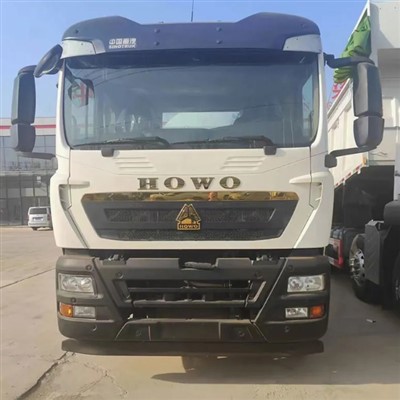
Understanding the Basics of Concrete Pump Truck Maintenance
First off, a concrete pump truck is a complex piece of machinery. It’s got a lot of moving parts, and it operates in some pretty tough conditions. You’ve got the pumping system, the hydraulic system, the chassis, and the boom. Each of these components has its own maintenance requirements, and they all work together to keep the truck running smoothly.
The frequency of maintenance depends on a few factors, like how often you use the truck, the type of work it’s doing, and the environment it’s operating in. But generally speaking, there are three main levels of maintenance: daily, regular, and major.
Daily Maintenance
Alright, let’s start with daily maintenance. This is the stuff you should do every time you use the truck. It’s all about keeping an eye on the little things and catching any potential problems early on.
- Pre – start Checks: Before you even fire up the engine, have a quick look around the truck. Check the fluid levels, like the engine oil, hydraulic oil, coolant, and fuel. Make sure there are no visible leaks on the ground or around the equipment. Inspect the tires for proper inflation and any signs of damage, like cuts or bulges. And don’t forget to check the lights, turn signals, and brakes to make sure they’re all working.
- During – use Monitoring: While the truck is in operation, pay attention to how it’s performing. Listen for any unusual noises, like grinding, rattling, or squealing. These could be signs of a problem with the engine, the pumping system, or the hydraulic system. Keep an eye on the gauges to make sure the pressure, temperature, and other vital signs are within the normal range.
- Post – use Cleaning: After you’re done using the truck, give it a good cleaning. Concrete can be really corrosive, so it’s important to remove any residue from the booms, pipes, and other parts of the pumping system. You can use a pressure washer or a hose to clean the exterior, and make sure to flush out the pipes and the hopper with water to prevent the concrete from hardening.
Regular Maintenance
Regular maintenance is usually done on a weekly, monthly, or quarterly basis, depending on how much you use the truck. This involves more detailed inspections and servicing of the various components.
- Hydraulic System: The hydraulic system is one of the most important parts of the concrete pump truck. It’s responsible for powering the boom and the pumping mechanism. Every few weeks, you should check the hydraulic oil level and quality. If the oil looks dirty or has a strange smell, it might be time to change it. Also, inspect the hydraulic hoses and fittings for any signs of wear or damage, like cracks or leaks.
- Pumping System: The pumping system is what actually moves the concrete from the hopper to the pour site. It’s a high – stress component, so it needs regular maintenance. Every month, you should check the wear parts, like the concrete pistons, rubber seals, and delivery pipes. Replace any parts that are worn out to prevent leaks and ensure efficient operation.
- Chassis and Engine: The chassis and engine are the foundation of the truck. Just like any other vehicle, they need regular oil changes, filter replacements, and tune – ups. Follow the manufacturer’s recommended maintenance schedule for the engine, and check the brakes, suspension, and steering components regularly to make sure they’re in good working order.
Major Maintenance
Major maintenance is a more comprehensive overhaul of the concrete pump truck. It usually involves disassembling and inspecting critical components, and it’s typically done once a year or after a certain number of operating hours.
- Boom Inspection: The boom is a long, flexible arm that can reach difficult areas. It’s subjected to a lot of stress and vibration, so it needs a thorough inspection once a year. This includes checking the structural integrity of the boom, the lubrication of the joints, and the functioning of the control systems. If any parts are found to be damaged or worn out, they should be repaired or replaced immediately.
- Complete System Overhaul: Every few years, it might be necessary to give the entire truck a major overhaul. This could involve replacing major components, like the engine, the hydraulic pump, or the pumping unit. It’s a big investment, but it can extend the life of the truck and prevent costly breakdowns in the long run.
Factors Affecting Maintenance Frequency
Now, I mentioned earlier that the frequency of maintenance depends on a few factors. Let’s take a closer look at those.
- Usage Intensity: If you’re using the concrete pump truck every day for long hours, it’s going to need more frequent maintenance than if you’re only using it occasionally. High – intensity use can put more wear and tear on the components, so you’ll need to keep a closer eye on them.
- Work Conditions: The type of work the truck is doing can also affect maintenance frequency. If you’re pumping thick, abrasive concrete or working in a dusty environment, the components are going to get dirty and worn out more quickly. In these cases, you might need to increase the frequency of cleaning and part replacements.
- Age of the Truck: As a truck gets older, its components naturally start to wear out. An older truck might need more frequent maintenance and more extensive repairs than a newer one. If you’ve got an older truck, it’s important to stay on top of the maintenance to keep it running safely and efficiently.
Importance of Regular Maintenance
I can’t stress enough how important regular maintenance is for a concrete pump truck. Here are a few reasons why:
- Safety: A well – maintained truck is a safe truck. If the brakes, steering, or other critical components aren’t working properly, it can put you and your crew at risk. Regular maintenance helps to identify and fix any safety issues before they become serious problems.
- Reliability: When you’re on a job site, you need your concrete pump truck to work when you need it. Regular maintenance helps to prevent breakdowns and keep the truck running smoothly. This means you can meet your deadlines and avoid costly delays.
- Cost – Efficiency: While it might seem like maintenance is an added expense, it can actually save you money in the long run. By catching and fixing small problems early on, you can prevent them from turning into major, expensive repairs. And a well – maintained truck has a longer lifespan, so you won’t have to replace it as often.
Conclusion
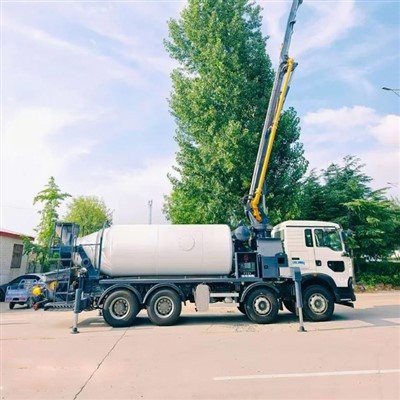
So, to sum it up, how often you should maintain a concrete pump truck depends on a variety of factors. But as a general rule, you should do daily checks, regular servicing, and major overhauls at the appropriate intervals. By following a proper maintenance schedule, you can keep your truck in top condition, ensure the safety of your crew, and maximize your investment.
Self Loading Concrete Mixer Truckr If you’re in the market for a new or used concrete pump truck, or if you need more information on maintenance, don’t hesitate to reach out. I’m here to help you make the best decision for your business. Let’s chat and see how we can work together to meet your concrete pumping needs.
References
- Equipment manufacturer’s maintenance manuals
- Industry best practices and standards for concrete pump truck maintenance
Shandong Fuxin Automobile Technology Co., Ltd.
We’re well-known as one of the leading concrete pump truck manufacturers and suppliers in China, featured by quality products and good price. Please rest assured to buy advanced concrete pump truck made in China here from our factory. Contact us for more details.
Address: West of Nanshou Road, Beihai Road, Weifang City, Shandong Province
E-mail: h17616861003@gmail.com
WebSite: https://www.fuxinautomobile.com/
