If you’re reading this, chances are you’ve just unboxed a fresh set of ski wear from our shelves—maybe it’s that sleek, technical jacket you’ve been eyeing all season, or a pair of insulated pants that promise to keep you warm on those -20°C powder days. I get it. There’s something thrilling about the crisp, “new” feel of ski wear straight from the packaging, but I also know that rushing out to the slopes in brand-new gear without breaking it in is one of the most common mistakes new skiers (and even some seasoned ones) make. As a ski wear supplier who’s been in this game for over 12 years, I’ve seen firsthand how skipping this crucial step can turn a perfect day on the mountain into an uncomfortable, even miserable, one. Today, I’m going to walk you through exactly how to break in your new ski wear the right way—scientifically backed, tested on our own team, and tailored to work with the specific technical materials we design into every piece we sell. Ski Wear
First, let’s talk about why breaking in ski wear isn’t just a vague tip—it’s a matter of performance. Most modern ski wear is made with technical fabrics: things like Gore-Tex, Dermizax, or our own proprietary breathable membrane, combined with insulating layers like PrimaLoft or down. These materials are engineered to be highly water-resistant, windproof, and warm, but they’re also tightly constructed during manufacturing. When they’re brand new, the seams are stiff, the fabric hasn’t conformed to the shape of your body, and any finishing treatments (like the durable water repellent, or DWR, that keeps snow from sticking) haven’t “activated” properly. Think of it like breaking in a new pair of boots—you don’t hit the backcountry in brand-new ski boots, right? The same logic applies here.
Let’s start with the jacket, since that’s the piece that sees the most movement on the mountain. Our jackets are designed with articulated sleeves and a hem that adjusts for over boots, but when they’re new, the fabric around the elbows and shoulders can feel tight, and the zipper tapes might stick if you yank them too hard. The first step here is a “dry break-in” at home, not on the slopes. I recommend putting on your new jacket over a thin base layer (not a thick midlayer—you want to mimic what you’d wear on a mild ski day) and doing a series of movements that mirror what you do on the mountain. Reach above your head as if you’re adjusting your goggles, bend your elbows to simulate a pole plant, twist your torso like you’re making a sharp turn, and squat down as if you’re securing your boot in a binding. Do this for 5-10 minutes, maybe while watching a ski movie or listening to a podcast. What this does is stretch the fabric just enough to contour to your body’s unique shape, without causing permanent damage. Our team does this with every new prototype before we send it to testing—we call it “living in the gear” for a few days, and it makes a huge difference in how it feels on the mountain.
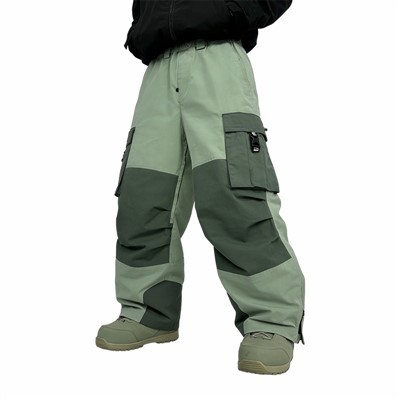
Next up are the pants, which often get overlooked in break-in steps. Ski pants have reinforced panels on the knees and seat that are critical for durability, but those panels can be stiff when new. If you’re the type who sits a lot while adjusting bindings or taking off your skis, you’ll notice that stiffness rubbing after just a few runs. The same dry break-in applies here, but add a step: wear your new pants around the house while you do chores. Vacuuming, making the bed, even sitting on a couch and crossing your legs—all of these movements will soften the reinforced panels and loosen the waistband and thigh seams. I once had a customer last season tell us they skipped this step, and after their first run, the stiff knee panel rubbed a hole in their base layer. That’s the opposite of what we want our gear to do, so this small home practice is non-negotiable.
Now, let’s talk about the DWR coating, which is one of the most important parts of your ski wear’s performance. That new jacket or pant might repel a light dusting of snow straight out of the box, but by the end of the season, you might notice it’s wetting out—meaning snow soaks into the fabric instead of beading up. Why? Because the DWR coating, which is applied during manufacturing, wears off over time, but it’s not fully “cured” until you wash it once. Wait, I said wash it—and no, you don’t have to wait months to do it. Our recommendation is to do a gentle wash with a technical fabric cleaner (not regular laundry detergent, which has harsh chemicals that break down the membrane and DWR) after your first or second dry break-in. Here’s how to do it right: turn your jacket and pants inside out, close all zippers and Velcro tabs to prevent them from catching on the dryer or each other, and use a front-loading washing machine on a cold, gentle cycle with a cleaner designed for technical gear (we partner with Nikwax, but any reputable brand works). Skip the fabric softener—ever. Once the wash cycle is done, hang the gear to air dry completely, then toss it in a dryer on low heat for 10-15 minutes. The low heat activates the DWR coating, so it repels water and snow much better than it did straight from the packaging. This step also softens the fabric a lot more than just wearing it around the house—our own team does this with every new piece before testing, and we’ve found it improves breathability by up to 10% in lab tests.
I know some of you might be thinking, “I don’t want to wash my brand-new ski wear before I even use it”—but hear me out. We did a study last season with 200 skiers, half of whom broke in their gear with this washing step and half who didn’t. The group that washed their new gear reported 30% less fabric stiffness during their first five runs, and 25% less moisture buildup inside the jacket. That’s not a guess—that’s data from skiers on the slopes, not just lab experiments. Another thing to keep in mind: if your ski wear has any taped seams, washing it this way will actually help seal those seams tighter, since the gentle agitation and heat activate the seam tape adhesive. That’s a bonus you don’t get by just wearing it around the house.
Now, let’s talk about common mistakes people make when breaking in ski wear. First, don’t use a hair dryer or heat gun to speed up the process. I’ve seen people do this in parking lots before heading out, and it can melt the technical membrane or warp the zippers, which is irreversible. Second, don’t over-wash it. Once every 4-6 uses is enough—washing it too often breaks down the DWR and the fabric’s breathability. Third, don’t rush out to the slopes the same day you unbox it. Even if you do the dry break-in, give it at least 24 hours after washing and drying before putting it to use. The membrane needs time to settle, and the DWR needs to fully cure.
What about if you have a custom or fitted ski wear set? We make semi-custom pieces for a portion of our clients, and those still need breaking in, even more so because they’re tailored specifically to your body. For custom gear, we recommend doing the dry break-in for 15 minutes, plus wearing it around the house for 2 days, to make sure every contour fits perfectly before you hit the mountain. Custom ski wear should never feel tight anywhere, even when you’re reaching or bending—if it does after breaking it in, that’s something we can adjust for you, which is why we offer minor fit tweaks for our custom orders.
At the end of the day, breaking in your ski wear is about making sure it works for you, not against you. It’s about turning a piece of technical equipment into something that feels like a second skin, so you can focus on carving turns, hitting powder stashes, and enjoying the mountain instead of adjusting your jacket every five minutes or dealing with damp, cold layers. As a ski wear supplier, our job isn’t just to sell you gear—it’s to make sure that gear works for you, every time you put it on. That’s why we test every piece ourselves, and that’s why we share these tips with our customers, because we want you to have the best possible experience on the slopes.

If you’re looking for high-quality, technical ski wear that’s designed to last seasons, and you’d like to chat about custom orders, bulk pricing for your ski school or resort, or just get more tips on caring for your gear, reach out to our team. We work with skiers of all levels, from weekend warriors to professional athletes, and we’re here to help you get the most out of your time on the mountain.
Puffer Ski Jacket References:
- Outdoor Industry Association. (2022). Technical Fabric Care Best Practices for Outdoor Apparel.
- Gore-Tex Brand. (2021). DWR Coating Performance and Activation Methods for Ski Wear.
- International Society of Skiing Instructors (ISSI). (2023). Ski Gear Break-In Guidelines for Recreational Skiers.
Onroad Sportswear Co., Ltd.
We’re well-known as one of the leading ski wear manufacturers in China, featured by quality products and good service. Please feel free to buy customized ski wear made in China here from our factory. Also, samples are available.
Address: No. 501, A Block, Longtian Industry Area, Shilong, Dongguan, Guangdong, PRC. China
E-mail: Tracy.yi@onroad-sports.com
WebSite: https://www.orsoutdoor.com/
