If you’re running a custom metal fabrication shop, prototyping for aerospace, or cranking out small-batch aluminum parts for consumer goods, your aluminum CNC machine is your bread and butter. But let’s be real—even the best mid-to-heavy duty CNC mills for aluminum hit snags sometimes. I’ve been an aluminum CNC machine supplier for 7 years now, and I’ve fielded hundreds of calls from users panicking about tiny issues that turn into costly delays. Today I’m breaking down the most common problems we see, plus the exact fixes I’ve walked customers through that actually work (no generic “call a technician” fluff here). Aluminum Cnc Machine
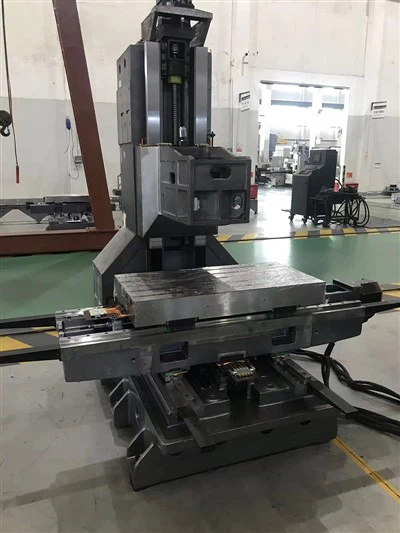
First up, and probably the most frequent headache we hear about: bad surface finish, aka that fuzzy, grainy texture on milled aluminum parts instead of that sharp, smooth edge you paid for. A lot of new operators think this is a “machine problem” right away, but 8 out of 10 times it’s something you can tweak on your own without tearing apart the spindle. Let me break this down. A lot of folks grab any end mill they have lying around, but aluminum cuts best with a high-helix end mill—sometimes called a “aluminum-specific” bit—with a sharpened rake face to lift chips clean instead of rubbing them across the part. Another big mistake: speed and feed rates. If you’re running a carbide end mill at the same 1500 RPM you use for steel, you’re going to get that fuzzy finish. We recommend 3000 to 8000 RPM for most 1/2-inch end mills, with a feed rate of 20 to 40 inches per minute—too slow, and the bit rubs; too fast, and it chews through the part. Oh, and if your spindle has any runout (wobble when it spins the bit), that’s another culprit. You can check this with a dial indicator for $20, and if it’s more than 0.002 inches, tighten the collet or replace it—old, worn collets are way more common than broken spindles, and a $5 collet fix will turn your fuzzy parts into shop-quality pieces.
Next problem: chatter, that high-pitched squeal that makes your ears ring, plus those wavy, rippled lines along the cut edges. This is such a waste—you set a 4-hour job only to scrap the last 10 parts because of chatter. Chatter usually boils down to three things: rigidity, tool selection, or speed. First, rigidity: if you’re clamping a long, thin part in a vise without adding a backup support, that part will flex mid-cut like a diving board. We always tell customers to add a backer block (usually another piece of scrap aluminum clamped right next to your part) or use a fixture with pin vises instead of just a regular vise for thin stock. Then, tool length—super long end sticks out of the collet? That’s a huge no-no. The rule is: the shortest tool possible that still reaches your cut. If your bit sticks out more than 3 times its diameter, you’re asking for chatter. Swap to a shorter bit, or add a tool holder with extra rigidity. Finally, speed mismatch. If you’re on a CNC machine, don’t just use the default speed from your CAM software—test a “cut test” on a scrap piece of the same aluminum alloy you’re working with. Try upping the RPM by 500 and bumping the feed rate by 10 IPM—this usually kills chatter for most 6061 aluminum, which is the workhorse alloy everyone uses. I’ve had a customer last month who was scrapping parts for 2 weeks because of chatter, and a 10-minute cut test fixed it immediately.
Third common issue: premature tool wear, like your end mill getting dull after 5 parts instead of 20, or even breaking mid-cut. This is a huge cost drain—each carbide end mill is $15 to $50, so if you’re going through one a week, that adds up fast. Most tool wear here comes from two things: chip evacuation and the wrong coolant. When cutting aluminum, chips are soft and sticky—if they don’t get flushed out of the cut zone right away, they’ll rub against the bit and melt onto the edge, causing dulling. Using a generic coolant meant for steel is another mistake; aluminum needs a synthetic, water-soluble coolant with a higher lubricity, usually a 1:10 ratio mix (so 1 part coolant, 10 parts water). If your machine’s coolant system is clogged, even the right mix won’t reach the cutting edge—we recommend flushing the coolant tank every 3 months, something most users forget. Also, don’t use old, bent tools—even a tiny bend in the shank of a bit will cause uneven force, making the edge dull way faster. We always remind customers to do a quick visual check of each tool before loading it into the spindle; a 30-second look saves $50 on a new bit.
Fourth problem: dimensional inaccuracy, like parts that are 0.005 inches off where they should be, which is a big deal if you’re making parts that need to fit together. This is another one that’s often not a machine fault. First, thermal expansion—aluminum expands a lot when it’s cut, even if it’s just a 10-minute job. If you clamp your part hot from a previous job, it might warp when it cools down. We always tell customers to let aluminum stock sit at room temperature for 24 hours before machining, especially for tight-tolerance parts (under 0.001 inches). Then, zero offset—if you messed up your G-code origin point (the “zero” spot where the machine starts cutting), that’s a simple fix, but we see new operators mix up X and Y offsets all the time. Another big one: backlash, which is the tiny amount of play in the machine’s lead screws. If your machine is old, or you haven’t lubricated the lead screws in 6 months, that play will make the tool jump back and forth, leading to off measurements. Lubricate the lead screws with a lithium grease every 300 hours of operation, and you’ll cut dimensional errors by half.
Wait, let’s talk about a super specific problem that a lot of users run into, especially with newer CNC machines: aluminum buildup on the tool edge, sometimes called “built-up edge” (BUE). That’s when tiny pieces of aluminum melt and stick to the end mill’s cutting edges, making it look like it has a little extra metal on the tip, and leading to rough cuts. BUE is almost always from too low a speed—when the tool moves too slow, the heat generated by the cut doesn’t dissipate, so the aluminum melts instead of being cleared as chips. The fix here is simple: bump the RPM by 1000 and the feed rate by 15 IPM, and make sure your coolant is aimed directly at the cutting zone, not just spraying the top of the part. We had a customer last year who was getting BUE on every 7075 aluminum part (which is way harder than 6061), and he was running 2000 RPM—cranking it to 5500 RPM fixed it overnight.
Now, I know some of you are thinking, “This sounds great, but what if I tried all this and it’s still broken?” That’s where we come in. We’ve been supplying aluminum CNC machines to small fabrication shops, aerospace prototyping teams, and hobbyist shops for 7 years, and we don’t just sell a machine and vanish. If you’re dealing with any of these problems, or even something we didn’t cover (like spindle overheating, or the machine not moving smoothly), we can help you troubleshoot step by step—we’ve got a library of custom tooling recommendations, coolant blends, and even CAM tweaks specifically for aluminum that most generic guides don’t tell you.
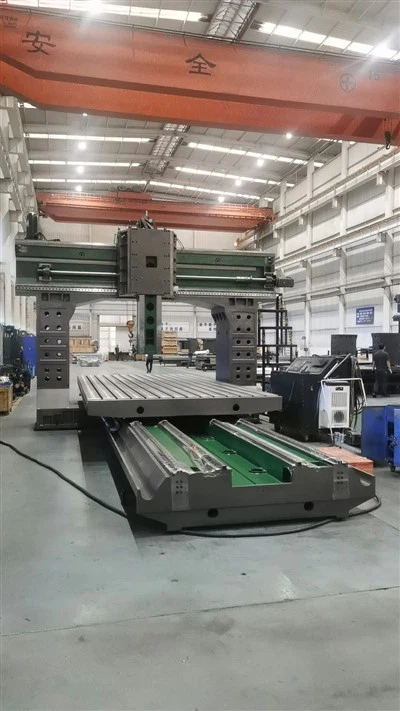
If you’re in the market for a new aluminum CNC machine, or you’re having persistent issues with your current one, reach out to us to chat through your setup. We don’t do hard sales pitches—we just help you get a machine that works for your parts, whether you’re making 10 prototypes or 1000 production runs. Don’t let preventable problems slow you down; let’s get your machine running smoothly so you can get your parts out on time.
Aluminum Cnc Machine References
- "CNC Machining Aluminum: A Practical Guide" – Manufacturing Engineering Association, 2022
- "Tool Wear and Chatter in Aluminum Milling" – Journal of Manufacturing Processes, Vol. 45, 2021
- "Thermal Expansion Effects on CNC Machining Tolerances" – American Society of Mechanical Engineers, 2020
- "Built-Up Edge Mitigation Strategies for Non-Ferrous Metals" – International Journal of Machine Tools and Manufacture, 2019
Smartech Machinery & Equipment Co., Ltd.
As one of the most professional aluminum cnc machinemachine manufacturers and suppliers in China, we also support customized service. Please rest assured to buy bulk aluminum cnc machinemachine made in China here from our factory. Contact us for more details.
Address: Room 2832, Changping Commercial Mansion, Shihua Road, Futian Free Trade Zone, Shenzhen, China
E-mail: smartech@smartechcnc.cn
WebSite: https://www.smartech-cnc.com/
