When we talk about packaging, most people immediately think of corrugated cardboard boxes, plastic bottles, or standard bubble mailers—packaging solutions that have been around for decades. But as a supplier specializing in “other packaging” solutions, I’ve spent years working with businesses that need something outside these mainstream options. If you’ve ever explored flexible pouches with spouts, molded pulp inserts that aren’t one-size-fits-all, or custom paper-based trays, you know this space is full of innovation. It’s also full of challenges. Let’s break down what those challenges really look like, from the perspective of someone who works with these solutions every single day. Other Packaging
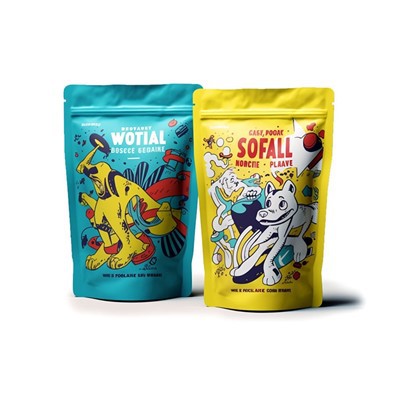
First, there’s the big hurdle of custom manufacturing lead times that most mainstream packaging providers can’t match. A lot of the “other packaging” options we offer are tailored to a client’s specific product: a specialty food brand might need a stand-up pouch with a resealable zipper that fits their unique sauce viscosity, a medical device company might need a thermoformed tray that holds a fragile surgical tool without adding excess material, a craft skincare brand might need a textured paper box that reflects their artisanal brand identity, not a generic printed cardboard box. The problem? Mass-produced packaging can be turned around in a week or two. Our custom solutions? They require design tweaks, prototype testing, tooling adjustments, and multiple rounds of quality checks before they’re ready to ship. I recently worked with a small plant-based meat startup that needed packaging for a new line of sausage links. They reached out to us with a tight timeline, because they’d been burned by a standard packaging supplier that couldn’t accommodate their need for a moisture-barrier layer to keep their product fresh. We managed to get prototypes out in three weeks, but that was only because our team adjusted a tooling schedule that was already packed. For smaller businesses that don’t have large logistics teams, waiting 4–6 weeks for custom packaging isn’t just an inconvenience—it can delay product launches, lose shelf space to competitors, and even strain relationships with retailers. That’s a challenge most mainstream suppliers don’t have to face, because their offerings are off-the-shelf.
Next, there’s the consistent battle of balancing sustainability claims with performance. Today, almost every business is under pressure to reduce their carbon footprint, cut down on plastic waste, and meet consumer demand for eco-friendly packaging. But when you’re working with “other packaging” options that are often innovative, the line between “sustainable” and “effective” gets really blurry. Take molded pulp, for example: it’s made from recycled paper or agricultural waste, it’s compostable, and it’s a great alternative to plastic clamshells for produce. But it’s porous—so if you’re packaging berries, which release moisture, it can start to break down in a day or two if you don’t add a thin, eco-friendly barrier. A few years ago, we worked with a berry farm that switched to our molded pulp trays without the barrier, only to have 30% of their stock get ruined during shipping. They had to rush back to plastic, which undermined their sustainability goals. On the other hand, some “other packaging” options use eco-certified materials that have barriers, but those barriers often add cost that small businesses can’t absorb. We also see this with flexible films: there are now compostable film options that work for food packaging, but they require specific storage conditions (like not being left in direct sunlight) to stay intact. If a retail store doesn’t have proper storage, the packaging might degrade before the product is sold. It’s a delicate balance, and it’s one that mainstream packaging doesn’t have to deal with as much—most standard options have a proven track record of balancing performance and sustainability, so businesses don’t have to test as hard.
Then there’s the issue of compatibility with existing supply chain infrastructure. This is a problem that many business owners don’t think about until they’re already trying to launch their product. Standard packaging works with most automated filling machines, conveyor belts, and storage systems because it’s uniform in size and shape. But “other packaging” solutions are often unique, which means they don’t fit into that infrastructure. Let’s say a brand switches to custom stand-up pouches instead of traditional cans. Their existing can-filling machine can’t handle pouches, so they have to invest in a new filling machine—or hand-fill the pouches, which is way more expensive and time-consuming. We had a pet food client a couple of years ago who made the switch from plastic bags to our custom resealable pouches. They had a warehouse full of conveyor belts designed to move 10-pound bags, and our pouches were a different width and weight, so they kept jamming the belt. It took them two weeks of adjustments—adding custom guides, slowing down the belt speed—to make it work. For small businesses with tight margins, that kind of infrastructure change can be a dealbreaker. Even if the “other packaging” looks better on shelves, if it doesn’t work with what they already have, they can’t use it.
Another big challenge is variability in material sourcing and quality control. A lot of “other packaging” solutions rely on niche materials that aren’t as standardized as, say, corrugated cardboard or clear plastic. For example, we work with bamboo-based packaging, which is a great sustainable alternative to wood pulp. But bamboo fibers can vary depending on where the crop was grown, when it was harvested, and how it was processed. One batch of bamboo might be darker or more porous than the last, which can mess up the print quality if a client has a specific design. We had a candle brand last year that ordered 10,000 custom bamboo boxes, and the first batch had a slight green tint that didn’t match the soft beige color they wanted for their packaging. We had to rework the entire batch at our own cost, which ate into our profit margin and delayed their launch. It’s not just bamboo—agricultural waste materials like wheat straw or corn husk, which are used in some molded pulp packaging, can have the same variability. Mainstream packaging uses materials that are produced in massive, controlled facilities, so the quality is consistent every time. For “other packaging” suppliers, every job brings a new set of material variables that we have to account for, which adds time and cost that businesses might not expect.
Pricing transparency is another challenge that we face as “other packaging” providers. When a business approaches us, they’re used to seeing clear, straightforward pricing from mainstream packaging suppliers: a certain price per box, based on quantity, with no hidden fees. But custom packaging has a lot of moving parts. There’s the cost of design, tooling, prototype testing, material sourcing, and production setup. It’s not as simple as “buy 10,000 boxes, pay X amount.” We recently had a startup approach us, asking for a quote for custom spouted pouches for their iced tea. They asked for a “per unit” price without mentioning quantity, material type, or barrier requirements. We sent them a quote that included design and prototype costs, and they thought we were overcharging. They went back to a mainstream supplier that offered a lower per-unit price—but that supplier couldn’t accommodate their barrier needs, so they ended up paying more in the long run to fix the freshness issue. The problem is that many businesses don’t understand the value of custom packaging, so they compare per-unit prices without considering all the variables. It’s our job to educate them, but that takes time, and even then, some are still drawn to the familiar (and often misleading) low prices of mainstream options.
Then there’s the challenge of market perception and education. Even if a business has a great product, great design, and works through all the manufacturing and supply chain hurdles, consumers still might not “get” the “other packaging.” I’ve seen brands launch amazing products in custom packaging only to have customers complain that it’s “too expensive” or “hard to open.” For example, our resealable stand-up pouches are great for portion control and reducing plastic waste, but some customers aren’t used to the spout design, so they leave bad reviews saying the packaging is “flimsy” when it’s actually built to be lightweight and durable. We also work with some paper-based packaging that looks premium, but a small number of consumers still associate paper packaging with being low-quality, even when it’s made from high-end materials. That perception gap is something that mainstream packaging doesn’t have to deal with—consumers know what a plastic bottle or cardboard box is, and they have established opinions about it. “Other packaging” is still new to a lot of people, so brands have to spend extra money on marketing to educate their customers, which adds another layer of cost and stress.
I don’t want to end this on a negative note, because the work we do is really important. The “other packaging” space is where innovation happens—where we’re solving problems that mainstream packaging can’t, from reducing waste to meeting the needs of specialized products like medical devices or artisanal food. But the challenges are real, and they’re not just our problems as suppliers—they’re problems that businesses have to navigate when they choose to work outside the mainstream. If you’re a business owner, product manager, or sustainability lead who’s exploring non-standard packaging solutions, you’re not just choosing a different type of packaging—you’re choosing to deal with longer lead times, more complex supply chains, and the work of educating your team and your customers.
That said, the rewards are worth it. We’ve worked with brands that switched to our custom packaging, and not only did they reduce their carbon footprint, but they stood out on shelves and built a loyal customer base that appreciated their commitment to unique, sustainable solutions. For small businesses that want to differentiate themselves, “other packaging” is often the best way to do that. But it’s not without its hurdles. If you’re looking to explore these solutions, whether you have a specific product in mind or just want to learn more, I’d be happy to walk through your needs, address your questions, and help you figure out if our custom packaging solutions are a fit for your goals.

If you’re ready to discuss your other packaging needs and work through the challenges together, reach out to connect with our team for a consultation.
Flat Bottom Bag References:
- Sustainable Packaging Coalition. (2022). "Challenges in Implementing Custom Eco-Friendly Packaging for Small and Medium-Sized Enterprises."
- Journal of Packaging Technology and Science. (2021). "Compatibility of Non-Standard Packaging with Automated Supply Chain Infrastructure."
- European Bioplastics. (2023). "Material Variability and Quality Control in Innovative Packaging Solutions."
- Consumer Reports. (2022). "Consumer Perceptions of Alternative Packaging Formats and Their Impact on Brand Success."
- Global Packaging Industry Association. (2023). "Lead Time and Cost Variability in Custom vs. Mass-Produced Packaging."
Shenzhen Hongbang Packaging Production Co., Ltd.
We are one of the most experienced other packaging manufacturers and suppliers in China, specialized in providing high quality custom service. Please feel free to buy bulk other packaging made in China here from our factory. For quotation and free sample, contact us now.
Address: Room 601, BLDG D, Wisdom Centre, No. 58 Nanlian Road, Longgang, Shenzhen China 518116
E-mail: pm@hongbangpack.com
WebSite: https://www.hongbangpack.com/
