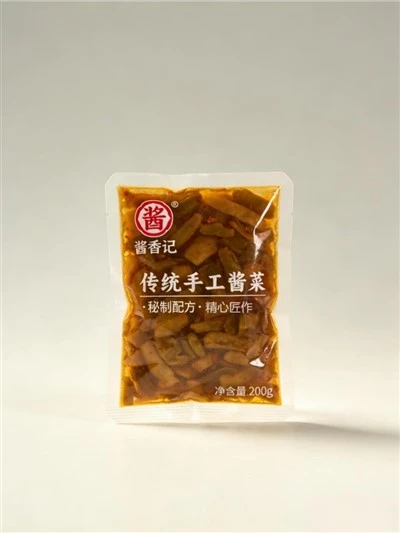
Food packaging films play a crucial role in the food industry, influencing not only the preservation and presentation of food products but also their overall cost. As a supplier of food packaging films, I have witnessed firsthand how these films can have a significant impact on the bottom line for food producers. In this blog post, I will delve into the various ways in which food packaging films affect the overall cost of food products, exploring both the direct and indirect costs associated with their use. Food Packaging Films
Direct Costs of Food Packaging Films
The most obvious way in which food packaging films impact the cost of food products is through their direct cost. The price of food packaging films can vary widely depending on a number of factors, including the type of film, its thickness, the quantity purchased, and the supplier. For example, high-barrier films that offer superior protection against oxygen, moisture, and light are generally more expensive than standard films. Similarly, films with special features such as anti-fog properties or resealable closures may also come at a higher cost.
When food producers are selecting packaging films, they must carefully consider the cost of the film in relation to the value it provides. While it may be tempting to choose the cheapest option available, this may not always be the best choice in the long run. A low-quality film may not provide adequate protection for the food product, leading to spoilage and waste, which can ultimately result in higher costs. On the other hand, investing in a high-quality film that offers superior protection and functionality can help to extend the shelf life of the food product, reduce waste, and enhance its overall value.
In addition to the cost of the film itself, there are also other direct costs associated with its use. These include the cost of printing and labeling the film, as well as the cost of packaging equipment and labor. Printing and labeling can add a significant amount to the cost of the packaging, especially if the design is complex or requires special printing techniques. Similarly, the cost of packaging equipment can be substantial, especially for high-speed packaging lines. And finally, the cost of labor to operate the packaging equipment and handle the packaging materials can also add up over time.
Indirect Costs of Food Packaging Films
In addition to the direct costs, food packaging films can also have a number of indirect costs that can impact the overall cost of food products. One of the most significant indirect costs is the cost of waste. If the packaging film does not provide adequate protection for the food product, it can lead to spoilage and waste, which can be costly for food producers. In addition, if the packaging film is not recyclable or compostable, it can contribute to environmental pollution, which can also have a negative impact on the bottom line.
Another indirect cost associated with food packaging films is the cost of transportation. The weight and volume of the packaging film can have a significant impact on the cost of shipping the food product. A heavier or bulkier packaging film can increase the shipping cost, which can ultimately be passed on to the consumer. In addition, if the packaging film is not properly designed or engineered, it can increase the risk of damage during transportation, which can also result in higher costs.
Finally, food packaging films can also have an impact on the brand image and reputation of the food producer. A high-quality packaging film that is visually appealing and provides superior protection can help to enhance the brand image and reputation of the food product. On the other hand, a low-quality packaging film that is unattractive or does not provide adequate protection can have a negative impact on the brand image and reputation, which can ultimately result in lower sales and profits.
Strategies for Managing the Cost of Food Packaging Films
Given the significant impact that food packaging films can have on the overall cost of food products, it is important for food producers to develop strategies for managing these costs. One of the most effective strategies is to work closely with a reputable food packaging film supplier. A good supplier can provide valuable advice and guidance on the selection of the right packaging film for the food product, taking into account factors such as the type of food, the desired shelf life, and the budget. In addition, a good supplier can offer competitive pricing and high-quality products, which can help to reduce the overall cost of the packaging.
Another strategy for managing the cost of food packaging films is to optimize the packaging design. By carefully considering the size and shape of the packaging, as well as the type of film and the printing and labeling requirements, food producers can reduce the amount of packaging material used and minimize the cost of printing and labeling. In addition, by using innovative packaging designs that are more efficient and sustainable, food producers can reduce the environmental impact of the packaging and enhance the brand image and reputation of the food product.
Finally, food producers can also consider using alternative packaging materials or technologies. For example, some food producers are using biodegradable or compostable packaging materials, which can help to reduce the environmental impact of the packaging and lower the cost of waste disposal. In addition, some food producers are using advanced packaging technologies such as modified atmosphere packaging (MAP) or active packaging, which can help to extend the shelf life of the food product and reduce the risk of spoilage and waste.
Conclusion
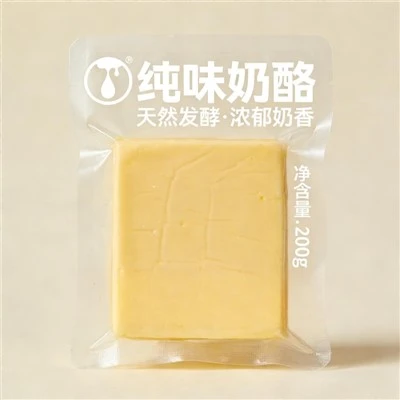
In conclusion, food packaging films play a crucial role in the food industry, influencing not only the preservation and presentation of food products but also their overall cost. As a supplier of food packaging films, I understand the importance of providing high-quality products at competitive prices, as well as offering valuable advice and guidance to food producers on the selection of the right packaging film for their products. By working closely with food producers and developing strategies for managing the cost of food packaging films, we can help to ensure that food products are packaged in a way that is both cost-effective and sustainable.
Retortable Pouch If you are a food producer looking for a reliable supplier of food packaging films, I encourage you to contact me to discuss your specific needs and requirements. I would be happy to provide you with more information about our products and services, as well as offer you a free sample of our packaging films. Together, we can find the right packaging solution for your food products and help you to reduce your overall costs while enhancing the quality and value of your products.
References
- European Food Safety Authority. (2016). Scientific opinion on the safety of plastic materials in contact with food. EFSA Journal, 14(7), 4591.
- International Dairy Foods Association. (2018). Dairy packaging: A guide to best practices. Washington, DC: International Dairy Foods Association.
- Institute of Food Technologists. (2019). Food packaging: Principles and practice. Chicago, IL: Institute of Food Technologists.
- Packaging Machinery Manufacturers Institute. (2020). Packaging machinery: A guide to selection and operation. Arlington, VA: Packaging Machinery Manufacturers Institute.
- United States Department of Agriculture. (2021). Food packaging: A guide to best practices. Washington, DC: United States Department of Agriculture.
Shandong Yiming Plastic Products Co., Ltd.
As one of the most professional food packaging films manufacturers in China, we’re featured by quality products and good price. Please rest assured to wholesale cheap food packaging films made in China here from our factory. Customized orders are welcome.
Address: Opposite Tower Pole Factory,south of Hengliu road,Shunwang Sub-district,Zhucheng City,Weifang City,Shandong Province
E-mail: sdyiming16888@qq.com
WebSite: https://www.toppackingsolution.com/
