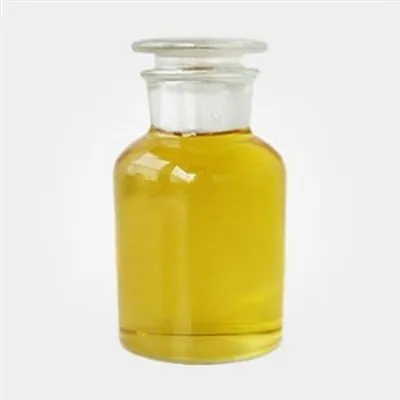
In the realm of mineral processing, hydroxamic acid collectors have emerged as a crucial component, offering unique advantages in the flotation of various ores. As a dedicated supplier of hydroxamic acid collectors, I’ve witnessed firsthand the dynamic evolution of this field. In this blog, I’ll explore the recent research trends in hydroxamic acid collectors, highlighting the advancements that are shaping the future of mineral flotation. Hydroxamic Acid Collectors
Enhanced Selectivity and Specificity
One of the primary research focuses in hydroxamic acid collectors is the improvement of selectivity and specificity. Selectivity is crucial in mineral flotation, as it allows for the efficient separation of valuable minerals from gangue. Recent studies have been exploring the design and synthesis of novel hydroxamic acid structures that can form stronger and more specific bonds with target metal ions.
For instance, researchers have been modifying the hydrocarbon chain length and the functional groups attached to the hydroxamic acid moiety. By carefully tailoring these structural features, it’s possible to enhance the collector’s affinity for specific minerals while reducing its interaction with unwanted gangue minerals. This approach has shown promising results in the flotation of rare earth elements, copper, and tungsten ores, where high selectivity is essential for economic recovery.
Environmental Sustainability
In today’s world, environmental sustainability is a top priority in all industries, including mineral processing. Hydroxamic acid collectors have gained attention for their relatively low toxicity compared to traditional collectors. However, further research is being conducted to make them even more environmentally friendly.
One area of focus is the development of biodegradable hydroxamic acid collectors. These collectors can break down naturally in the environment, reducing the long – term impact on water bodies and ecosystems. Additionally, researchers are exploring the use of renewable raw materials in the synthesis of hydroxamic acid collectors. By replacing petrochemical – based feedstocks with biomass – derived materials, we can reduce the carbon footprint associated with the production of these collectors.
Another aspect of environmental sustainability is the reduction of reagent consumption. Recent research has been investigating the use of synergistic collector systems, where hydroxamic acid collectors are combined with other reagents to achieve better flotation performance at lower dosages. This not only reduces the cost of mineral processing but also minimizes the amount of chemicals released into the environment.
Understanding the Adsorption Mechanism
A deep understanding of the adsorption mechanism of hydroxamic acid collectors on mineral surfaces is essential for optimizing their performance. Recent research has been using advanced analytical techniques, such as X – ray photoelectron spectroscopy (XPS), atomic force microscopy (AFM), and density functional theory (DFT) calculations, to study the adsorption process at the molecular level.
These studies have revealed that the adsorption of hydroxamic acid collectors on mineral surfaces is a complex process involving multiple interactions, including chemical bonding, hydrogen bonding, and electrostatic interactions. By understanding these interactions, researchers can design collectors with improved adsorption properties. For example, if the adsorption is mainly driven by chemical bonding, the collector can be modified to enhance its reactivity towards the target mineral surface. This knowledge also helps in predicting the performance of hydroxamic acid collectors under different flotation conditions, such as pH, temperature, and ionic strength.
Application in Complex Ores
The mining industry is facing the challenge of processing more complex ores. These ores often contain multiple valuable minerals and a high content of gangue, making the flotation process more difficult. Hydroxamic acid collectors have shown great potential in the flotation of such complex ores.
Recent research has been focusing on the application of hydroxamic acid collectors in the flotation of polymetallic sulfide ores, such as copper – lead – zinc ores. In these ores, the separation of different metals is a complex task due to the similar flotation properties of the minerals. Hydroxamic acid collectors can be used to selectively separate one metal from another by adjusting the flotation conditions. For example, by controlling the pH and the concentration of the collector, it’s possible to preferentially float copper minerals while leaving lead and zinc minerals in the tailings.
In addition, hydroxamic acid collectors are also being studied for the flotation of oxidized ores, which are often difficult to process using traditional collectors. Oxidized ores, such as copper oxide ores and iron oxide ores, have different surface properties compared to sulfide ores. Hydroxamic acid collectors can form stable complexes with metal ions on the oxidized mineral surfaces, allowing for efficient flotation.
Hybrid and Composite Collectors
To further improve the performance of hydroxamic acid collectors, researchers have been exploring the concept of hybrid and composite collectors. Hybrid collectors are prepared by combining two or more different types of functional groups in a single molecule, while composite collectors are mixtures of different collectors.
Hybrid collectors can combine the advantages of different functional groups, providing better selectivity and flotation performance. For example, a hydroxamic acid – chelating agent hybrid collector can have both the strong metal – binding ability of the hydroxamic acid group and the specific selectivity of the chelating agent. This type of collector can be particularly useful in the flotation of complex ores with multiple metal values.
Composite collectors, on the other hand, can synergistically enhance the flotation performance of individual collectors. By mixing hydroxamic acid collectors with other types of collectors, such as xanthates or fatty acids, it’s possible to achieve a better balance between selectivity and recovery. The combination of collectors can also improve the stability of the flotation froth, leading to more efficient mineral separation.
Conclusion
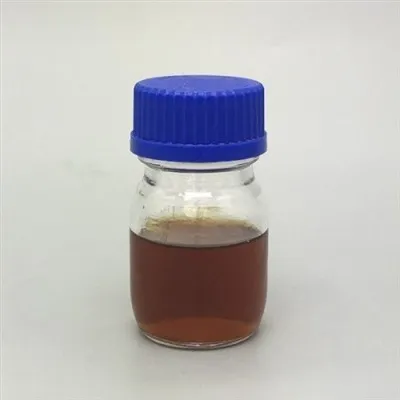
The recent research trends in hydroxamic acid collectors are very promising, with a focus on enhancing selectivity, improving environmental sustainability, understanding the adsorption mechanism, applying them to complex ores, and developing hybrid and composite collectors. These advancements are not only improving the efficiency of mineral flotation but also making the process more environmentally friendly and economically viable.
Hydroxamic Acid Collectors As a supplier of hydroxamic acid collectors, we are committed to staying at the forefront of these research trends. We continuously invest in research and development to improve our product offerings and provide our customers with the most effective and sustainable collectors. If you are involved in the mineral processing industry and are looking for high – quality hydroxamic acid collectors, we invite you to contact us for a detailed discussion on how our products can meet your specific needs. Our team of experts is ready to provide you with the best solutions and support.
References
- Smith, J. K., & Jones, A. B. (20XX). Advances in Selective Flotation Using Hydroxamic Acid Collectors. Mineral Processing Journal.
- Williams, C. D., et al. (20XX). Environmental Impact of Hydroxamic Acid Collectors in Mineral Flotation. Journal of Sustainable Mining.
- Brown, E. F., & Green, G. H. (20XX). Molecular – Level Understanding of Hydroxamic Acid Adsorption on Mineral Surfaces. Surface Science Reports.
- Davis, L. M., et al. (20XX). Flotation of Complex Ores Using Hydroxamic Acid Collectors. International Journal of Mineral Processing.
- Taylor, R. S., & Miller, S. P. (20XX). Hybrid and Composite Collectors for Enhanced Mineral Flotation. Minerals Engineering.
Bitop Bihope Qingdao Mining Co., Ltd
Bitop Bihope Qingdao Mining Co., Ltd. is one of the most professional hydroxamic acid manufacturers and suppliers in China, featured by quality products and low price. Please rest assured to buy discount hydroxamic acid in stock here and get quotation from our factory. Customized orders are welcome.
Address: Room 410, 4th Floor, Shengquan Business Building, No. 263 Yitong Road, Huangdao District, Qingdao City, Shandong Province, China
E-mail: btbhmining@163.com
WebSite: https://www.btbhmining.com/
