As someone running a PCB manufacturing supply business, I’ve seen firsthand how copper plays a super crucial role in PCB manufacturing. So, I thought I’d break down what that role is and why it’s so important. PCB Manufacturing
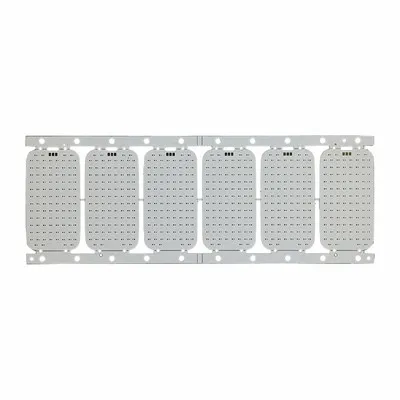
Let’s start at the very beginning. You might be wondering, "Why copper in the first place?" Well, copper has some great properties that make it a top – pick for PCB production. First off, it’s an excellent conductor of electricity. In a PCB, the main job is to transfer electrical signals between different components. If a material isn’t a good conductor, a lot of energy can be lost as heat, which is not only inefficient but can also cause overheating issues in the device the PCB is used in.
Think about your smartphone. It has a tiny PCB inside that has to handle a whole bunch of signals from the touchscreen, the camera, the microphone, and more. If the PCB used a less conductive material, your phone would quickly heat up and might not work as smoothly. With copper, it can efficiently carry all those electrical signals without any major energy loss.
Another amazing property of copper is its thermal conductivity. Heat management is a big deal in PCB design. When components on a PCB are working, they generate heat. If this heat isn’t dissipated properly, it can damage the components and shorten the lifespan of the PCB. Copper helps in spreading the heat evenly across the board and then allows it to be transferred to heat sinks or other cooling mechanisms.
Now, let’s talk about how copper is actually used in PCB manufacturing. There are two main types of copper – clad laminates used: thin – foil and thick – foil. Thin – foil copper is typically used for high – density interconnect (HDI) PCBs. These are the ones you find in advanced electronics like smartphones and tablets. The thinness of the copper foil allows for smaller traces and vias, which means more components can be packed onto a smaller board.
On the other hand, thick – foil copper is used in applications where high – current carrying capacity is required. For example, in power supplies, electric vehicles, or industrial equipment. Thick – foil copper can handle large amounts of current without overheating, making it perfect for these high – power applications.
The process of applying copper to a PCB involves a few steps. First, a copper – clad laminate is made. This is a sheet of insulating material, usually fiberglass – reinforced epoxy resin (FR – 4), with a thin layer of copper bonded to one or both sides. Then, the PCB design is printed onto a photosensitive resist layer on the copper surface using a photolithography process. This is like creating a stencil where the areas that will remain as copper traces are protected by the resist.
Next, the unprotected copper is etched away using a chemical solution. This leaves behind the desired copper traces as per the PCB design. After the etching, any remaining resist is removed, and then additional processes like plating and soldermask application are carried out.
Copper also plays a role in the mechanical stability of a PCB. The copper layers on the board provide a certain stiffness and strength. This is important because PCBs can be subjected to physical stress during the assembly process, as well as when they’re installed in the final product. Without the copper’s mechanical support, the PCB could bend or break easily, which would render the whole device useless.
In terms of reliability, copper is pretty great. It has good corrosion resistance, especially when it’s properly protected with coatings like solder mask or other surface finishes. This means that the copper traces can maintain their electrical conductivity over time, even in harsh environments. For example, PCBs used in automotive electronics or outdoor equipment need to be able to withstand moisture, temperature changes, and chemicals. Copper’s corrosion resistance helps ensure that these PCBs keep working as intended for a long time.
Now, let’s look at some of the challenges associated with using copper in PCB manufacturing. One of the main challenges is cost. Copper prices can be quite volatile, which can impact the overall cost of PCB production. As a supplier, we have to keep a close eye on the market to manage our costs and offer competitive prices to our customers.
Another challenge is dealing with copper residues during the manufacturing process. If not removed properly, these residues can cause short – circuits on the PCB. That’s why we have strict quality control measures in place to ensure that all traces are clean and free from any unwanted copper particles.
Environmental issues are also a concern. The etching process used to create copper traces produces waste solutions that contain copper ions. These need to be treated properly to prevent environmental pollution. At our facility, we have proper waste management systems in place to handle and recycle these copper – containing waste materials.
So, as you can see, copper is really the backbone of PCB manufacturing. It’s essential for electrical conductivity, thermal management, mechanical stability, and reliability. But at the same time, using copper also comes with its own set of challenges.
If you’re in the market for high – quality PCBs, I’d love to have a chat with you. We, as a PCB manufacturing supplier, have years of experience in using copper effectively in our PCB production. We can customize our products to meet your specific requirements, whether it’s for small – scale consumer electronics or large – scale industrial applications.
Contact us today to start a discussion about your PCB needs. We’re here to work with you to create the best possible solutions for your projects.
PCBA References
- Printed Circuit Board Handbook, Fifth Edition by Clyde Coombs, Jr.
- Fundamental Principles of Electronic Packaging by C. P. Wong.
Huaswin Electronics Technology Co., Ltd.
Address: Building A2, Hao Hai Hong Industrial Park, No.3 Yu He Road, Gong He, Sha Jing, Bao An, Shenzhen
E-mail: sales@huaswin.com
WebSite: https://www.huaswin-pcba.com/
