Hey there! I’m a supplier of hot water carpet and upholstery cleaners. One of the most common questions I get from customers is how to adjust the cleaning intensity of these cleaners. It’s a crucial aspect, as different cleaning jobs require different levels of power. So, let me walk you through the whole process. Hot Water Carpet and Upholstery Cleaner
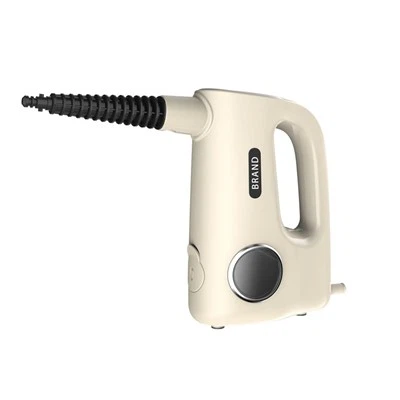
First off, understand why adjusting the cleaning intensity is necessary. Sometimes, you’re dealing with just a light spill on a delicate upholstery fabric. In this case, you don’t want to blast it with full – force pressure and risk damaging the material. On the other hand, when you’re trying to remove deep – seated dirt and grime from a high – traffic carpet area, you’ll need a higher cleaning intensity.
Let’s start with the basics of the hot water carpet and upholstery cleaner. These machines work by spraying hot water mixed with a cleaning solution onto the carpet or upholstery, then sucking up the dirty water. The cleaning intensity is mainly determined by two factors: water pressure and the flow rate of the cleaning solution.
Adjusting Water Pressure
The water pressure is a key element in controlling how effectively the cleaner removes dirt. Most of the models I supply come with a pressure adjustment knob. It’s usually located on the side of the machine, and it’s pretty easy to spot.
If you’re facing a stubborn stain on your carpet, say, a grape juice spill that’s been there for a while, you’ll want to crank up the pressure. Just turn the knob clockwise. This will increase the force with which the water is sprayed onto the carpet, helping to break up the tough stain.
But if you’re cleaning a more delicate surface like a silk – blend upholstery, you’ll want to go the opposite way. Turn the knob counter – clockwise to lower the pressure. This gentle spray won’t damage the fabric but will still be able to clean away light dirt.
It’s important to note that you don’t want to set the pressure too high all the time. Excessive pressure can cause the carpet fibers to fray or the upholstery material to stretch. And if you’re using the cleaner on stairs or areas close to baseboards, high pressure can splash the dirty water onto the walls.
Controlling the Flow Rate of the Cleaning Solution
The amount of cleaning solution used also affects the cleaning intensity. A higher flow rate means more cleaning agents are being applied to the surface, which can enhance the cleaning power.
In my hot water cleaners, there’s a solution tank with a flow control valve. It’s usually marked with small arrows indicating whether you’re increasing or decreasing the flow.
For a carpet that’s been really dirty, like in a commercial area where people are constantly walking on it, you can open the valve wider to increase the flow rate. This way, more cleaning solution gets sprayed onto the carpet, helping to dissolve the dirt and grease more effectively.
However, if you’re cleaning a small area with just a bit of dust, you can reduce the flow rate. Using too much cleaning solution in such cases can leave a soapy residue on the surface, which is not only unsightly but can also attract more dirt over time.
Considering the Type of Carpet or Upholstery
The material of the carpet or upholstery you’re cleaning plays a big role in determining the right cleaning intensity.
For example, wool carpets are quite delicate. They can shrink or lose their shape if exposed to too much pressure or a large amount of cleaning solution. So, when cleaning a wool carpet, I always recommend starting with the lowest pressure and a very low flow rate of the cleaning solution. Test a small, inconspicuous area first. If it looks okay after cleaning and drying, you can gradually increase the intensity if needed.
On the other hand, synthetic carpets like nylon are more durable. They can handle higher pressure and a greater flow of cleaning solution. You can be a bit more aggressive when cleaning them, especially if they’re really dirty.
As for upholstery, leather is a special case. You definitely don’t want to use high – pressure water or a large amount of cleaning solution on it. Instead, use a soft brush attachment and a small amount of a specialized leather – friendly cleaning solution. You can set the cleaner to a very low pressure and flow rate to gently clean the leather surface.
Testing and Tweaking
When you’re using a hot water carpet and upholstery cleaner for the first time, don’t just jump in and start cleaning the whole area at once. Always do a test on a small, hidden area.
After adjusting the cleaning intensity based on what you think is appropriate for the material, clean a small patch of the carpet or upholstery. Let it dry completely. Then check how well it’s cleaned and if there are any signs of damage, like color fading or fabric distortion.
If the cleaning isn’t satisfactory, you can make small adjustments to the pressure or the flow rate and test again. Keep doing this until you find the perfect settings for your particular cleaning job.
Also, pay attention to how the cleaner is performing while you’re using it. If you notice that the dirty water being sucked up is still very dirty after a few passes, it might be a sign that you need to increase the intensity. On the other hand, if the surface seems to be getting too wet or there’s a lot of soapy residue, you should lower the intensity.
Maintenance and Its Impact on Cleaning Intensity
Proper maintenance of your hot water carpet and upholstery cleaner is essential for consistent cleaning intensity.
Regularly clean the nozzles and hoses of the cleaner. Over time, dirt and debris can clog them, which will reduce the water pressure and the flow rate of the cleaning solution. You can use a small brush to clean the nozzles and run clean water through the hoses to flush out any blockages.
Check the filters in the machine. If they’re dirty or clogged, they can restrict the suction power of the cleaner. Replace the filters according to the manufacturer’s instructions.
Also, make sure the water heater in the cleaner is working properly. If the water isn’t hot enough, the cleaning solution won’t work as effectively, and the overall cleaning intensity will be reduced.
In conclusion, adjusting the cleaning intensity of a hot water carpet and upholstery cleaner isn’t rocket science. By understanding how to control the water pressure, the flow rate of the cleaning solution, and taking into account the type of material you’re cleaning, you can achieve great results. And don’t forget about regular maintenance to keep your cleaner performing at its best.

If you’re in the market for a high – quality hot water carpet and upholstery cleaner, or you have any questions about adjusting the cleaning intensity, feel free to reach out to me. I’m always here to help you make the most of your cleaning equipment.
Cold Water Carpet and Upholstery Cleaner References:
- Manuals of hot water carpet and upholstery cleaners
- Industry knowledge and experience in supplying cleaning equipment
Ningbo MLE Electrical Appliance Co., Ltd.
Ningbo MLE Electrical Appliance Co., Ltd. is one of the most reliable hot water carpet and upholstery cleaner manufacturers and suppliers in China, also supports customized service. Welcome to buy advanced hot water carpet and upholstery cleaner made in China here and get pricelist from our factory. Quality products and reasonable price are available.
Address: 921 Room, Jinsejiangnan Building, Zhonghe Street, Yinzhou District, Ningbo, Zhejiang, China.
E-mail: Eileen@nbmle.cn
WebSite: https://www.cleaningappliance.com/
