Hey guys, let’s cut to the chase – if you’ve ever found yourself staring at a stack of floor heating insulation boards (that’s what I sell, by the way) wondering whether you can nail this DIY or need to call in a pro, you’re not alone. I get DMs, calls, even random garage conversations from people panicking about this exact question all the time. As someone who’s been in the floor heating insulation board game for 7 years now, I’ve seen it all: folks who spent a whole weekend ruining $500 worth of boards, others who skipped a tiny step and ended up with a cold floor for the whole winter, and the small subset who pulled it off without breaking a sweat. Today, let’s talk real talk about whether professional help is actually worth it here – no salesy nonsense, just straight-up what I’ve learned from helping installers and DIYers alike. Floor Heating Insulation Board
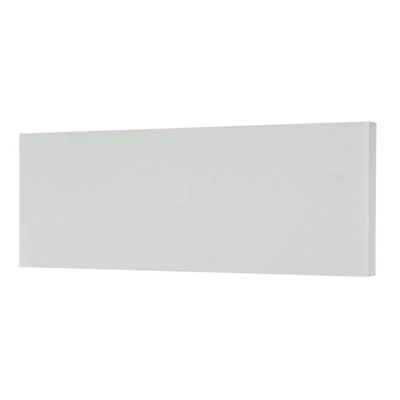
First off, let’s get one thing straight: I’m not here to tell you DIY is impossible. A lot of people think floor heating insulation boards are some super complex, rocket-science material, but at their core, they’re rigid panels (usually extruded polystyrene, XPS, or expanded polystyrene, EPS) that sit under your floor heating system to keep heat from seeping down into the subfloor – that’s their whole job. They come with cut lines, a lot of them have interlocking edges so they fit together like Legos, and if you have a standard concrete or wood subfloor, a basic layout isn’t rocket science. But wait, there’s a huge difference between “laying panels that sort of fit” and “laying panels that actually do their job right.” And that’s where the lines start blurring.
Let’s start with the DIY win stories I actually see work. A few months back, a guy named Mike hit me up – he’s a part-time handyman and loves home projects, did his own bathroom reno a year prior. He was tackling a sunroom over his garage, which gets freezing cold in winter, so he decided to put in electric radiant floor heating plus my insulation boards. He watched 3 YouTube tutorials, rented a small circular saw for cutting, borrowed his dad’s staple gun for securing the panels to the subfloor, and did the whole thing in two long Saturdays. When he texted me a pic of his finished floor heating test – the whole sunroom heated evenly, no cold spots, and his power bill only went up $15 a month – I was stoked for him. That’s the kind of DIY success I get behind. But here’s the catch: Mike knew his subfloor was in good shape (no cracks, no loose plywood), he had the right tools, and he didn’t skip any critical steps. He didn’t cut corners on sealing the seams between boards, which is the number one DIY mistake with insulation boards.
Now, let’s talk about the DIY fails that make me sigh a little. Last winter, a homeowner named Sarah came to me with a mess. She’d tried putting in a hydronic (hot water) floor heating system on her own, cut her insulation boards with a utility knife (bad move – XPS is tough, utility knives just tear it, leading to uneven edges), and skipped taping the seams. Her installer friend came to help her finish, and when he tested the system, almost 30% of the heat was escaping down through the subfloor because the gaps between her boards were letting it seep out. She ended up having to rip out half the panels, re-cut them properly, and tape every seam – that cost her double what she would’ve paid to have a pro come in initially. I see this all the time: people underestimate how much heat loss can happen from even a tiny gap between insulation boards. If you’re working with hydronic systems (which use pipes, not wires) or if your subfloor is uneven, that’s where DIY gets way trickier.
So, when should you hire a pro? Let’s break this down with actual, relatable scenarios. First, if you’re working with a large space – like a whole basement or a multi-level addition. I know, I know, a large space sounds intimidating, but it’s more about consistency than size. A pro installer will have experience adjusting for subfloor dips, making sure the panels are perfectly level (super important for radiant heat – if a board is lumpy, your floor will be too, and the heat won’t distribute evenly), and they’ll have the right tools to cut boards cleanly every time. I had a customer a year ago who tried a whole 1,200 sq ft basement DIY; she ended up with 4 different height levels in the finished floor because she didn’t use a level when setting the panels. A pro would’ve caught that before the heating system even went in.
Second, if you’re dealing with a hydronic system. These have plastic pipes that you have to secure to the insulation boards – usually with staples or clips. If you’re not careful, you can puncture a pipe, and fixing that after you’ve covered it with thinset and tile is a nightmare. I’ve had way too many customers come to me with this issue: they nicked a pipe while stapling, didn’t notice, turned on the system, and ended up with a water leak that destroyed their new floor. A pro installer knows how to layout the pipe paths without puncturing them, they pressure test the system before covering it, and they can work with the specific hydronic system you have. Electric systems are a little more forgiving, but even then, if you’re not sure how to run the wires safely, a pro is worth it.
Third, if you’ve never done any kind of floor renovation before. Look, anyone can watch a YouTube video, but actual hands-on experience is different. I’ve seen people try to cut insulation boards for a closet and end up cutting their subfloor by accident. Or they don’t leave enough gap around the perimeter of the room for expansion – which is super important for radiant heat, because the floor will expand and contract as it heats up and cools down. If you don’t leave that gap, your tiles or laminate can crack, and your insulation boards can warp. A pro will know exactly how much gap to leave (usually 1/2 inch for residential spaces) and how to work around doorways, vents, and other obstacles without messing up the whole layout.
Wait, but let’s not make it all pros are perfect. No, that’s not true. I’ve seen bad installs from pros too – cutting corners on sealing seams, using the wrong type of insulation board, not pressure testing hydronic systems. So it’s not like “hire a pro and you’re golden” – but it is like, if you’re on the fence, ask yourself a few quick questions first. Let’s make a little checklist that I actually give to all my customers:
- Do you have all the right tools? No, not just a utility knife. You need a fine-tooth saw (or a score-and-snap tool made for rigid insulation), a level, a tape measure, a caulking gun for seam tape, staples or clips for securing panels, and if you’re doing hydronic, a pressure gauge. If you don’t have these, and don’t want to buy or rent them, that’s a red flag for DIY.
- Is your subfloor in good shape? No cracks, no loose plywood, flat as possible? If your subfloor is wobbly or has big dips, fixing that yourself is a whole extra step you might not be ready for. A pro can adjust for that as they lay the insulation boards, which saves you time and hassle.
- What kind of floor heating system is it? Electric? You’re way more likely to pull this off DIY. Hydronic? Unless you have plumbing experience, I’d strongly suggest a pro.
- How big is the space? Under 500 sq ft? That’s manageable for a DIYer with some basic skills. Over 1,000 sq ft? The room for error is way smaller, so a pro will be faster and more reliable.
Another thing I always tell people: don’t let cost be the only deciding factor. I know, pros can be pricey. But when you factor in the cost of materials you’ll mess up, or the cost of fixing a leaky hydronic system or a cold floor that you have to rip out and redo, paying a pro upfront is way cheaper in the long run. I had a guy last year who saved $300 by doing his own install, but then spent $1,200 fixing the gaps between boards that were letting all his heat escape. That’s not a win – that’s a waste of time and money.
Wait, let’s get back to what I do, as a floor heating insulation board supplier. I don’t just sell panels and dip – I help my customers figure out if DIY is right for them. Last month, I worked with a couple who were installing electric radiant in their 300 sq ft bathroom, which they had DIY experience doing (they put in new tiles themselves). We looked at their subfloor pics, talked about their tools, and I told them they totally could handle it. They went DIY, texted me a pic a week later, and it turned out great. Another customer, doing his whole basement hydronic, I told him to call a pro – he hesitated, but did, and when he came to pick up more insulation boards for the bathroom the pro was doing, he told me it was the best decision he made all year.
Let’s also talk about the skills side of things. If you’re the type of person who plans every step, double-measures, watches multiple tutorials, and doesn’t mind asking questions when you get stuck, DIY is probably fine. But if you’re the type who gets stressed when a cut doesn’t go right, or you tend to rush through projects, a pro is going to save you a ton of stress. I’ve seen way too many people give up halfway through, or do a half-assed job just to get it over with, and that always leads to problems down the line.
One more thing: warranties. A lot of floor heating system warranties require professional installation to keep them valid. If you DIY your insulation board install and something goes wrong with your heating system, the company might not cover the cost of repairs. That’s a huge thing I wish more people knew. I had a customer who had an electric system fail a year after he installed it DIY; the warranty company said his install didn’t meet their standards, so he had to pay $2,500 for a new system. If he’d hired a pro, that warranty would’ve been good.
So putting it all together: do you need professional help to install floor heating insulation boards? The short answer is: it depends. If you have a small space, an electric system, a flat, stable subfloor, the right tools, and some DIY experience, go for it. You can totally pull it off. But if you have a large space, a hydronic system, an uneven subfloor, no experience, or you’re worried about making mistakes, hiring a pro is the smart choice. It’ll save you time, money, stress, and keep your heating system working efficiently for years.
And hey, if you’re still on the fence, hit me up. I don’t push pros on people unless they really need it – my whole job is to help you get the right insulation boards for your project, whether you install them yourself or hire someone. Just reach out to chat, and we can walk through your specific space and plan together.
Insulation Board References
- Department of Energy. (2022). Radiant Floor Heating Installation Guide: Insulation Best Practices for Residential Spaces.
- Insulation Institute. (2021). Common DIY Insulation Mistakes and How to Avoid Them.
- Radiant Professionals Alliance. (2023). Hydronic Radiant System Installation Requirements.
Wenzhou Lejia Energy-saving Material Co., Ltd.
As one of the leading manufacturers and suppliers of floor heating insulation board in China, we’re featured by quality products and good service. Please rest assured to buy advanced floor heating insulation board for sale here from our factory. We also accept customized orders.
Address: Block A, No. 128 Changxiu Road, Lingkun Subdistrict, Wenzhou Marine Economy Development Demonstration Zone, Zhejiang Province, China.
E-mail: luckyfoam@vip.163.com
WebSite: https://www.lfxps.com/
