Hey folks, let’s cut to the chase for a second. If you’re a boat owner, skipper, marine tech, or anyone who’s spent more than 10 minutes on a watercraft, you know noise and vibration aren’t just annoying—they’re actually a big deal. I run a small but busy silent diesel generator set supply shop, and lately I’ve been getting non-stop questions: Can that quiet diesel gen set I sell actually work on a boat? Or am I selling something that’s going to leave customers stuck with a dud that can’t handle life on the water? Let’s break this down, no fancy jargon, just real talk from someone who’s been dealing with marine power needs for years. Silent Diesel Generator Set

First, let’s get what “silent” even means here. For land-based folks, silent gensets are usually just quieter than the 80+ dB clunkers you see at construction sites. But on a boat? dB numbers matter a lot more, because you’re on a floating box with thin metal walls, not a big warehouse. A lot of generic land-based silent gensets hit around 60-65 dB at 7 meters, which sounds quiet on land, but on a sailboat or fishing trawler, that’s like standing right next to a mid-sized refrigerator. That’s enough to ruin a quiet night on the water, scare fish, or even get you flagged if you’re docked near a marina that enforces noise rules. So when we say “silent” for marine use, it’s not just a marketing buzzword—it needs to hit around 50-55 dB at 7 meters, which is like a soft conversation or library hum. Not all silent diesel gensets are built to hit that mark on water, and that’s the first big line I draw for customers.
Now, let’s talk about why marine use is totally different from a backyard or job site. Boats move, they tilt, they get splashed, they operate in salt air, and they have super specific power needs. A standard silent diesel genset made for a house or a food truck is built to run nice and steady on level ground, 100% of the time at a fixed angle. On a boat, you’re listing 10, 15, even 20 degrees when you hit rough seas. If your gen set’s fuel system, engine mounts, or cooling system aren’t built for that tilt, you’re going to get issues. I’ve seen customers pop a regular silent genset in their fishing boat, head out for a weekend, and come back with a clogged fuel injector because the diesel sloshed weird and got into the filter wrong. Salt is another big one—land gensets might have a little corrosion protection, but marine salt air is like acid. The quiet enclosure on a genset is usually made of thin steel or plastic for land use; if you don’t seal it properly and coat every metal part with marine-grade paint, that enclosure will rust through in a year.
Cool, so if we fix those basics, can a silent diesel genset work for marine applications? Short answer: Hell yeah, but only if it’s designed specifically for the water. Let’s get into the specs that actually matter here, not the fluff marketing folks throw around. First, vibration isolation. Land gensets bolt straight to concrete, no give. On a boat, every engine or gen set has to be mounted on flexible marine-grade rubber or stainless steel mounts. If you skip that, the vibration won’t just rattle your teacups—it’ll loosen your hull parts, your navigation electronics, and even the gen set itself. Our silent marine gensets come pre-fitted with heavy-duty isolators, tested to handle 25 degrees of roll, because that’s what you get on the Gulf or the Great Lakes when the wind picks up.
Next, cooling. Most land-based silent gensets use air cooling, or a closed-loop water cooling system that just runs through a regular radiator. On a boat, you need a raw water cooling system that pulls in the lake or ocean water, circulates it through the engine, and dumps it back out—air cooling can’t handle the consistent load of running your fridge, AC, and nav system for 12 hours straight. Wait, but doesn’t raw water cause corrosion? Yeah, that’s why we add zinc anodes to the cooling lines, just like your boat’s propeller, to fend off salt damage. We also make sure the genset’s silent enclosure has a separate water intake and exhaust vent that’s positioned so wave spray can’t get in. I can’t tell you how many customers have brought in water-damaged gen sets because their old one had a vent right on the bottom that flooded when they hit a wake.
Exhaust is another huge marine-specific thing. Land gensets can vent straight out the side, no issue. On a boat, your exhaust has to be routed all the way out the transom, right? And if you don’t insulate that exhaust pipe, you’re going to get heat build-up in your engine room, plus that loud roar that ruins the whole “silent” point. Our marine silent gensets have a wet exhaust system—meaning the exhaust mixes with cooling water before it leaves the pipe, so it’s not just hot and loud. We also line the exhaust piping with a special heat-resistant insulation that’s rated for marine use, so you don’t burn yourself if you have to check the line mid-voyage. A lot of cheap silent gensets skip that, and you end up with heat damage to your cabin walls, or worse, a fire risk in a closed engine room.
Power load is another big one. Marine power needs are way more dynamic than land use. When you’re at anchor, you might only need 2kW for your lights and phone charger. When you’re running, you might need 10kW for your AC, fridge, fish finder, and navigation system all at the same time. A lot of silent gensets are rated for peak power, but they drop off when you’re under load. Our units have what’s called a “variable speed engine” that automatically adjusts how fast the engine runs based on how much power you’re drawing. That means it’s quieter at low loads, uses less fuel, and doesn’t get bogged down when you crank up the AC on a hot afternoon. I had a customer last summer who brought his 38-foot sailboat to our dock, and he was complaining that his old land-based silent genset would die every time he turned on his water maker and AC together. We swapped it for our marine-rated silent unit, and he texted me three days later saying he didn’t even hear it running at night while he was sleeping. That’s the win everyone wants.
Now, let’s address the myths I hear all the time. First: “Silent diesel gensets are too big for my small boat.” No, not anymore. Modern compact silent models (we have 3kW, 5kW, and 8kW units that fit in a 2×3 foot space) are designed for small sailboats and weekender cruisers, not just big yachts. We have customers with 25-foot center console fishing boats that use our 5kW units, and they say it’s barely noticeable when it’s running. Second: “Diesel is too flammable for marine use.” Sure, if you store it wrong, but marine diesel is way safer than gasoline for boats—no fumes that can explode if they get into the cabin, and diesel gensets have automatic shut-off sensors that turn them off if there’s a leak or too much heat. That’s standard on all our marine models, no exceptions. Third: “They cost too much.” Yeah, upfront they’re more than a regular loud gen set, but think about the long run. You don’t have to pay marina noise fines (some marinas charge $500+ a day for too much noise), you save on fuel because variable speed engines are efficient, and they last 10+ years if you maintain them, instead of 3-5 for a cheap land unit that rusts out in salt air.
Wait, let’s talk maintenance, because that’s a big pain point for boat owners. A lot of people think marine gensets are high-maintenance, but if you get the right one, it’s no different than maintaining your boat’s engine. Our silent marine gensets have access panels on all sides, so you can change the oil, filters, and anodes without having to yank the whole unit out of your engine room. We also send each customer a free maintenance guide tailored to their specific model, and we have a 24/7 support line for anyone who’s out on the water and has a question—no automated menus, just a real person who knows marine gensets. I had a guy last spring stuck on a lake in Minnesota, his genset wouldn’t start, and he called me at 7 a.m. I walked him through checking the fuel filter (it was clogged with gunk from a recent refuel) and he was back running in 10 minutes. That’s the kind of service you don’t get with big box brands.
Now, the hard part: when is a silent diesel genset NOT right for marine use? If you’re only going to run the gen set for an hour a week for charging a battery, it’s probably overkill, and you’d be better off with a smaller marine battery charger. If you’re a full-time liveaboard on a super small boat with zero engine room space, a silent gen set might not fit, but we have portable marine silent gensets that you can stow in a locker and bring out when you need power. But for anyone who wants consistent, quiet power for their trips, whether it’s a weekend fishing run, a month-long sail, or a liveaboard setup, it’s absolutely doable.
Let’s wrap this up. The biggest mistake I see boat owners make is grabbing a cheap silent diesel genset from a big hardware store and slapping it on their boat without checking if it’s marine-rated. Those units might be quiet, but they weren’t built for salt air, tilt, or the dynamic power needs of a boat. A properly designed marine silent diesel genset isn’t just quieter—it’s safer, more reliable, and lasts longer. It lets you enjoy the sound of water and wind, not your gen set’s roar, while still having all the power you need.
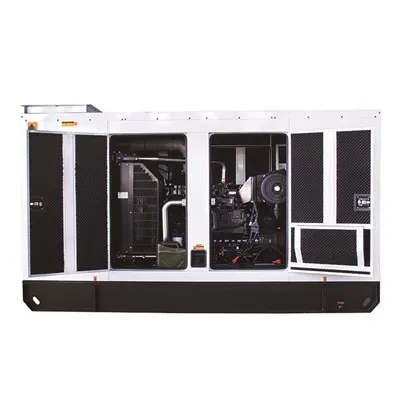
If you’re tired of noisy gensets ruining your time on the water, or you’re outfitting a new boat and want a power solution that works for marine life, reach out. We can walk you through the right size for your boat, answer all your questions, and make sure you get a unit that’s built to handle whatever the water throws at it. Don’t waste money on a gen set that’s meant for land—get one built for life on the waves.
Portable Diesel Generator References
- American Boat and Yacht Council (ABYC) Standards for Marine Generators
- International Organization for Standardization (ISO) 8528-12: Reciprocating internal combustion engine driven alternating current generating sets – Part 12: Marine applications
- US Coast Guard Marine Safety Center Guidelines for Marine Diesel Power Systems
- Noise Pollution Regulations for Recreational Vessels (U.S. Environmental Protection Agency, 2021)
Jiangsu Kaichen Electric Power Equipment Co., Ltd.
We are one of the most professional silent diesel generator set manufacturers and suppliers in China, specialized in providing high quality diesel generators with reasonable price. We warmly welcome you to buy cheap silent diesel generator set from our factory. Contact us for pricelist and quotation.
Address: Dinghuo Industrial Park, Jiangdu District, Yangzhou, Jiangsu Province
E-mail: 19962469616@163.com
WebSite: https://www.jskaichen-power.com/
