If you’ve ever fired up your portable diesel generator only to catch a wiff of thick, odd-smelling smoke, you’re probably like half the folks who reach out to our team and think, “Wait, did I break it already?” Don’t panic—we’re the portable diesel generator suppliers that get the real, day-to-day headaches of these machines, and we’ve seen every smoke scenario under the sun. Most of the time, it’s not a catastrophic failure; it’s a tiny, easy fix you can tackle in five minutes, and sometimes it’s just normal operating stuff we should all know about. Let’s break this down like we chat with our regular customers (no stuffy jargon, promise) and cover the most common reasons your generator’s puffing away. Portable Diesel Generator

First off, let’s nail down what kind of smoke we’re even talking about, because that tells you almost everything you need to know. You’ll usually see three main colors: white, black, or blue, and each one points to a totally different issue. Let’s start with the easiest culprit, especially if you just pulled that new generator out of the box for the first time or haven’t fired it up in a few months. That first big white puff? That’s just condensation burn-off. Diesel generators hold fuel in the tank, and even a tiny bit of moisture or leftover air in the exhaust system can turn to steam when the engine heats up fast. I’ve seen a customer panic and call us at 2 a.m. on a job site, thinking their generator was dying, just because it blew a cloud of white smoke for the first 10 minutes. It usually fades out completely after the engine hits operating temperature—if it sticks around longer than 15 minutes, then we’ve got another problem, but otherwise, that’s totally normal. Also, if you store your generator for more than a month or two without running it, condensation builds up in the fuel lines and combustion chamber too, so that first start will always get a white cloud. No need to stress about that one.
Next up: black smoke. That’s the most common complaint we get, and it’s almost always related to fuel, air, or load. Let’s start with load—this is where so many new genset owners mess up. Diesel engines need the right amount of fuel to match the work they’re doing, and if you’re running 10,000 watts worth of tools on a 7,000-watt generator, you’re asking it to work way too hard. It can’t burn all the fuel it’s pumping, so unburned diesel particles shoot out the exhaust as that thick, black, sooty smoke. We tell every customer: always size your generator to run at 70-80% of its rated wattage, max. If you’re running it at full tilt 24/7, that black smoke will be nonstop, and you’re also killing the engine’s lifespan fast. Another load-related quirk: if you’re running a bunch of small tools at once instead of a single heavy load, that can also cause incomplete combustion. The engine doesn’t get enough consistent pressure to burn the fuel clean, so you get that black cloud.
If load isn’t the issue, check your air filter. This is the single easiest, cheapest part to check, and it’s the cause of black smoke in like 30% of the complaints we handle. The air filter pulls in clean air to mix with diesel before it burns, and if it’s clogged with dust, debris, or even spider webs (we’ve found way too many spider webs in neglected generators), the engine can’t get enough air. Too little air, too much fuel, bad mix = black smoke. And let’s be real—if you’re using your generator on a job site, at a campsite, or even in your backyard during construction, dust is everywhere. We recommend checking the air filter every 100 hours of use, and replacing it every 200-300 hours, depending on how dirty the environment is. If you skip this, not only will you get smoke, but you’ll end up with expensive engine issues down the line.
Another fuel-related culprit for black smoke: old, bad diesel. We’ve all been there—store diesel for too long, and it gets “stale,” which means it breaks down into heavy, waxy particles that don’t burn clean. If you’re using diesel that’s older than 6 months, especially if you added a fuel stabilizer that’s expired, that’s a huge red flag. Stale fuel doesn’t mix right with air, so it spits out black soot. Also, make sure you’re using the right grade of diesel for your generator—winter-grade vs. summer-grade matters too, depending on where you live. Cold temperatures make regular diesel thicker, so it doesn’t atomize well in the engine, leading to that thick black smoke. If you’re in a place that gets below freezing, make sure you’re using winter-grade diesel and maybe add a little anti-gel additive to keep fuel flowing.
Now for blue smoke—this is the one that usually makes people go, “Oh no, I messed up something big.” Blue smoke is tiny oil particles burning in the engine, and that’s almost always a sign of oil leaking into the combustion chamber. What causes that? A few things. First, overfilling the oil crankcase. A lot of people check their oil wrong or just pour too much when changing it, and if the oil level is above the “full” line, some of it gets pulled into the engine’s cylinders where it burns. The fix here is easy: shut off the generator, let it sit for 10 minutes so oil drains back down, then use a dipstick to drain the excess until it’s between the add and full lines. That usually clears the blue smoke fast.
If overfilling isn’t it, you might have worn piston rings or valve seals. Over time, as a generator gets hundreds of hours of use, the parts inside the engine wear down a little. Piston rings seal the cylinder to keep oil out, and valve seals prevent oil from seeping into the exhaust ports. If those wear out, oil leaks in, burns, and that blue smoke follows. This is more common in generators that are past their warranty or have been heavily used without maintenance, but it’s not a death sentence—usually, it’s a fixable engine rebuild, not a total replacement. Also, if you’re running your generator at super high RPMs all the time, that can speed up wear on those parts too, so sticking to the right load and idle RPM goes a long way.
Wait, one more blue smoke scenario that’s easy to miss: if you just changed the oil. Sometimes, when you drain old oil and add new, a little extra oil gets into the lines or the top of the engine, and when you first start it, that leftover oil burns off as blue smoke. It should only last a few minutes, though—if it sticks around, check the oil level. We’ve had a ton of customers call us panicking after an oil change, and it’s just leftover oil burning off. No big deal, but always worth double-checking.
Now, let’s talk about the “normal” smoke that’s no big deal, just to set the record straight. A little bit of thin, light gray smoke that fades within a few minutes of starting is totally fine. That’s just leftover manufacturing residue from the engine parts breaking in, or a tiny bit of unburned fuel that burns off as the engine warms up. If that light gray smoke is consistent when the generator is running at full load, though, that’s when you start digging in.
So, what should you do the next time your generator smokes? Let’s walk through the step-by-step we give all our customers. First, identify the color of the smoke and how long it’s been happening. If it’s thin white smoke that fades in 10-15 minutes, no problem. If it’s black smoke, first check if you’re overloading the generator—unplug a few tools, see if the smoke clears. If not, check your air filter next. If it’s blue smoke, check your oil level first; if it’s high, drain the excess. If none of those work, it’s time to reach out.
Here’s the thing: as a portable diesel generator supplier, we get that generators are workhorses, not fancy appliances. They’re for job sites, power outages, camping, construction, all the stuff that no other power source can handle as reliably. But that reliability only comes with basic care, and a little smoke doesn’t have to mean you’re stuck with a broken machine. We’ve seen people fix issues themselves, save hundreds of dollars on repairs, just by knowing what to look for.
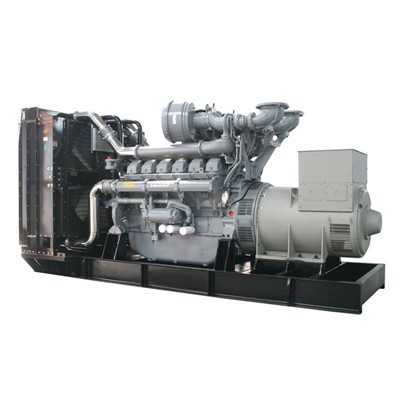
If you’ve tried all the quick fixes and the smoke is still there, or you’re not comfortable digging into the engine parts, we’re here to help. Whether you’re a small business owner needing a generator for your work site, a homeowner looking for backup power, or anyone in between, we supply portable diesel generators built for real use, and we stand behind them every step of the way. We don’t do complicated support lines or robotic responses—our team knows generators, knows what it’s like to need power when you need it, and we’re happy to walk you through troubleshooting, recommend maintenance tips, or help you find the right generator for your needs.
High Voltage Diesel Generator Set Don’t let smoking generator stress ruin your day or your project. Most issues are simple, and even the ones that aren’t are easy to sort out with the right help. If you’re in the market for a new portable diesel generator, or you’re having trouble with the one you already have, reach out to our team to chat through your needs and get the support you deserve.
References
- Diesel Generators: Operation, Maintenance, and Troubleshooting, Industrial Press, 2021.
- Portable Power Equipment Safety Guidelines, National Fire Protection Association, 2022.
- Engine Performance for Small Diesel Power Units, SAE International, 2020.
Jiangsu Kaichen Electric Power Equipment Co., Ltd.
As one of the most professional portable diesel generator manufacturers and suppliers in China, we’re featured by quality products and low price. Please rest assured to buy discount portable diesel generator in stock here from our factory. If you have any enquiry about customized service, please feel free to email us.
Address: Dinghuo Industrial Park, Jiangdu District, Yangzhou City, Jiangsu Province
E-mail: 19962469616@163.com
WebSite: https://www.kaichenpowertech.com/
