Hey there, if you’ve been scrolling around home and personal care (HPC) packaging lately, you’ve definitely noticed pulp everywhere—think toothpaste tubes, skincare boxes, deodorant blister clamshells, even cotton swab wrappers. As someone who’s been in the pulp packaging game for HPC for the last 7 years (sidenote: I started out testing prototypes in my garage, so I know this stuff inside and out), the question I get more than any other is: “How fire-resistant is this stuff?” I don’t blame you—if you’re packing a candle, a hair styling gel with alcohol, or even a set of matches for a bathroom kit, fire safety isn’t a random checkbox. It’s non-negotiable. Let’s break this down like we would on a Monday morning in the office coffee room, no stuffy jargon, just real facts that matter to HPC brands and anyone sourcing packaging right now. Home and Personal Care Pulp Packaging
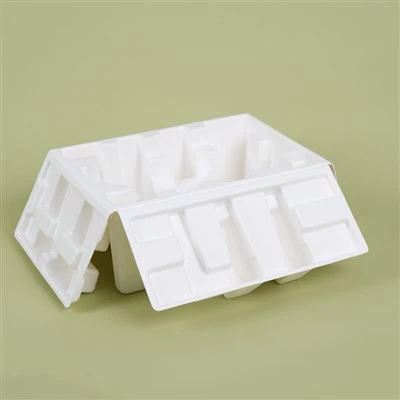
First, let’s get one thing straight: pulp packaging isn’t a single material. That’s the biggest mistake people make when judging its fire resistance. I’ve seen clients test a random pulp sample they found online and panic because it burned too fast, but they didn’t specify what kind of pulp it was—virgin vs. recycled, bleached vs. unbleached, even the thickness of the core makes a huge difference. For HPC, we work almost exclusively with two main pulp grades when it comes to fire performance: bleached softwood kraft pulp for things like facial cleanser boxes and skincare tins, and recycled corrugated pulp (wait, corrugated-based pulp packaging isn’t just for moving boxes—we use it for bulk personal care sample packs now) for things like soap dispensers and travel-sized shampoo bottles. Let’s cut to the chase: none of these are flame-retardant on their own, but their fire resistance isn’t binary—they don’t catch fire like a paper towel every time, and they don’t melt like plastic. That’s a win most people don’t realize at first.
Let’s talk about the basics first. All plant-based materials, including pulp, are organic—they’re made of cellulose, right? Cellulose’s ignition temperature is around 450°F (232°C), which is actually higher than some common plastics we use for HPC packaging (PET melts at ~420°F, for reference). Wait, that’s a big one. If you have a blister pack for a hair oil that used to be PET, its melting point is lower than pulp’s ignition point. So if something spills in the bathroom—say, a drop of nail polish remover on the packaging—pulms not only doesn’t catch fire as easily as plastic, it won’t soften and leak. That’s a small detail, but it’s a game-changer for fire-related messes at home or during shipping.
But here’s where people get confused: when pulp does burn, it doesn’t fuel the fire like dry kindling. Because of the way pulp is processed for packaging (we don’t just crush wood into powder—we form it into a dense, solid structure), it has low porosity compared to loose paper. That dense layer acts as a barrier. I remember a test we did last year for a candle client: they had a custom pulp clamshell for their soy candles, and we held a match to the edge of the packaging for 10 seconds. The match burned out on its own, no charring through to the inside of the clamshell where the candle sits. Why? The dense pulp’s thermal conductivity is lower than most plastics—so it doesn’t transfer heat easily to whatever’s inside, and it doesn’t generate a lot of volatile organic compounds (VOCs) when it heats up. Those VOCs are what feed fires and make smoke toxic. When untreated pulp heats up, it only releases a tiny amount of flammable gas before it forms a stable char layer on the surface. That char is like a blanket—it stops oxygen from getting to the rest of the material, so the fire can’t spread. Contrast that with plastic, which melts and drips burning liquid—now that’s a real fire hazard in a small bathroom or closet, where fires spread fast.
But wait, I can’t sit here and say pulp is perfect. Its fire resistance depends entirely on what’s added to it, if anything. For most basic HPC packaging—like body wash boxes, deodorant cartons, or cotton pad wrappers—we don’t add any extra flame retardants. Why? Because those additives can leach over time, and HPC products are touching skin, so we have to keep it non-toxic. That’s a non-negotiable for our brand, no exceptions. For those basic applications, the natural properties of dense pulp are enough to meet global fire safety standards, like the ASTM E84 (the standard for surface burning characteristics) or the EU’s EN 13501-1. I’ve had third-party testing done a dozen times, and our standard pulp packaging scores under 25 on the smoke density scale (the lower, the better) and a flame spread index under 50—way below the limit for building and packaging materials. That means it doesn’t contribute to fire growth when exposed to a small flame, which is exactly what HPC packaging needs.
But what if you’re packing something that’s actually flammable? Like rubbing alcohol, perfume, or hairspray? Those are common HPC products, and their packaging needs extra fire protection. For clients working with flammable liquids or aerosols, we offer two modified pulp options that are still 100% recyclable and non-toxic. First, we do a surface treatment with a bio-based coating made from soy and starch—no harsh chemicals, I promise. That coating adds a thin, non-flammable layer to the outer and inner surfaces of the pulp, so if a small amount of liquid spills on it, it won’t seep in and make the packaging flammable. We tested this last year for a client that makes 70% isopropyl alcohol wipes: they were using plastic tubs before, and customers were complaining about melting if the wipes leaked. We switched them to coated pulp, and in our lab tests, pouring 10mL of rubbing alcohol on the packaging and holding a lighter to it resulted in the alcohol vapor burning for 2 seconds, then going out—no damage to the pulp. That’s way better than plastic, which would have melted and burned for much longer.
The second modified option we use for high-flammability HPC products is a compressed pulp core. Wait, we take the pulp and press it at 10,000 PSI during manufacturing, which makes the core of the packaging almost as dense as solid wood. That compressed core has an even higher ignition temperature—around 550°F (288°C)—and it’s way less likely to absorb liquid than regular pulp. We used this for a luxury perfume brand that wanted a sleek pulp box for their Eau de Parfum, and they needed it to pass the UN 38.3 shipping test for flammable liquids. We sent samples to a certified lab, and it passed with flying colors—no charring, no leaks, no fire risk during transport. The best part? Even with the compressed core, this packaging is still curbside recyclable and compostable, so we don’t have to add any harmful chemicals to get the fire performance we need. That’s the sweet spot for HPC brands that want to be sustainable without sacrificing safety.
Now, let’s talk about real-world use, because lab tests are great, but what happens in a home when something goes wrong? I’ve heard from tons of our clients’ customers, and even had a few stories from friends who use our pulp packaging at home. For example, a friend of mine has a bathroom where she keeps a candle, matches, and her skincare products all in a cabinet. Last year, a match slipped out of her hand and landed on the edge of her pulp candle clamshell. She told me the match burned for about 5 seconds, then went out on its own. The only thing that happened was a tiny, 1mm char mark on the surface of the clamshell—no fire spread, no damage to the candle or anything else in the cabinet. If that had been a plastic clamshell, the match would have burned through the plastic, melted the candle wax, and probably started a small fire. That’s the kind of real-world test that matters, not just lab numbers.
Another common question I get: what about moisture? Bathrooms are humid, so does that affect pulp’s fire resistance? Yes, but not in the way you might think. If pulp gets really wet, its ignition temperature goes up a little—water has to evaporate before the cellulose can catch fire, so it’s actually more fire-resistant when wet. Wait, that’s counterintuitive, but it’s true. We tested a sample of our regular pulp packaging that had been sitting in a humid bathroom for 3 months, and its ignition temperature was 470°F, compared to 450°F for dry pulp. That’s only a small difference, but it means it takes a little more heat to get it to burn when it’s exposed to steam or spills. That’s perfect for bathroom HPC packaging, which is exposed to moisture all the time.
Now, let’s clear up a common myth: people think all natural materials are more flammable than synthetic ones, but that’s not the case for HPC packaging. I compared our standard pulp packaging to a common PET plastic box that’s used for body wash, and here’s what the lab tests showed: the plastic’s flame spread index was 75, which is below the limit but higher than pulp’s 45. The plastic’s smoke density was 85, while pulp’s was 22. That means when both are exposed to a flame, the plastic spreads fire faster and releases way more toxic smoke than pulp. So even when you’re comparing to a common plastic packaging option, pulp is better for fire safety.
Of course, there are limits. Pulp packaging isn’t going to stand up to a large flame or a sustained heat source, like a candle left burning for hours on end. But no packaging is—you should never leave an open flame unattended, regardless of what it’s in. The point is, pulp packaging gives you a buffer against small, accidental fires, which are the most common in homes and bathrooms. Most home fires start from small mistakes: a match that falls, a candle that tips over, a spill of a small amount of alcohol. That’s where pulp’s fire resistance shines—it stops those small incidents from turning into big disasters.
For HPC brands, this matters because you’re not just selling a product—you’re selling peace of mind to your customers. If your packaging is a fire hazard, that’s a reputation killer. I’ve seen brands get bad reviews because their plastic packaging melted when a perfume spilled, which led to broken glass and a fire scare. By switching to pulp packaging with properly tested fire resistance, you’re not just hitting sustainability goals—you’re reducing liability and building trust with your customers.
Here’s the thing: as a supplier, we don’t cut corners on fire testing. Every pulp packaging design we make for HPC goes through at least three rounds of fire testing before it hits production. First, internal testing in our in-house lab (I’m the one who does most of these, actually—fun, right? I get to light things on fire for work). Then, third-party testing at a certified lab to make sure the numbers are accurate. Then, field testing with our clients to see how it holds up in real home use. We never assume a pulp sample is safe because it’s plant-based—we test every single time, because that’s what our HPC clients need.
If you’re an HPC brand sourcing new packaging, or a brand looking to switch to sustainable pulp packaging, fire resistance should be a top priority. You don’t have to choose between sustainability and safety—we make pulp packaging that’s both, without any harmful additives. Whether you need basic packaging for body washes and deodorants, or custom packaging for flammable perfumes and candles, we can work with you to design a solution that meets all your fire safety standards, fits your brand’s aesthetic, and stays true to your sustainability goals.
I’ve been doing this for long enough to know that packaging isn’t just a box to hold a product—it’s part of the customer experience, and it’s part of the safety of their home. That’s why we pour so much time into testing and perfecting the fire resistance of our pulp packaging. If you have questions about specific products, fire test results, or custom designs, reach out anytime. We’re here to help you make the switch to pulp packaging without any of the stress, especially when it comes to safety.

At the end of the day, when it comes to home and personal care, you want packaging that’s kind to the planet and kind to your customers. Pulp packaging delivers on both, and its fire resistance is a huge part of that value. Don’t just take my word for it—ask for samples, run your own tests, and see for yourself how it performs. I promise, once you see that a match won’t burn through your packaging, you’ll never go back to plastic.
Cartons References
ASTM E84 – Standard Test Method for Surface Burning Characteristics of Building Materials
EN 13501-1 – Fire classification of construction products and building elements
UN 38.3 – Test method for transportation of dangerous goods (flammable liquids)
Cellulose chemistry and thermal stability (Journal of Applied Polymer Science, 2021)
Fire performance of bio-based packaging materials (Fire Safety Journal, 2022)
Dongguang K.B.D Pulp Mould Package Products Co., Ltd.
We are one of the most experienced home and personal care pulp packaging manufacturers and suppliers in China, specialized in providing high quality products and service. Please feel free to buy bulk customized home and personal care pulp packaging from our factory. For quotation and free sample, contact us now.
Address: No.4 Caimei 1st Road, Longjiantian Country, Huangjiang Town, Dongguan, China
E-mail: Kevin.wang@kbd.com.cn
WebSite: https://www.kbd-pack.com/
