Hey guys, let’s cut to the chase—if you’re running a medical accessories shop or just a clinic looking to trim waste and save a few bucks, you’ve probably stared at a bin of used tourniquets, syringes (wait, no, maybe not syringes—those are sharps), wait, let’s be real, the smaller, easier-to-mess-up accessories like blood pressure cuffs, IV catheters, even those little plastic covers for exam probes. I’m on the medical accessories supply side, so I deal with this every single day, and lately, so many of my clients are blowing up my DMs asking: can we actually recycle this stuff? Like, not toss it in the regular trash, not shunt it off to a sketchy third-party that might mislabel it—proper, legal, actually keeps it out of landfills recycling. Medical Accessories

First off, let’s get one super important fact straight: medical accessories aren’t the same as your daily grocery store plastic bag or a water bottle. Almost all of them have touched bodily fluids, right? Even the “single-use” ones that only sit on a tray for five minutes—they’re classified as medical waste first, full stop. That’s the big hurdle most people don’t get. If something’s been in contact with patients, even if it’s a super low-risk item, it’s bound by way stricter EPA rules (or whatever equivalent you’ve got in your country) than your average household trash. I’ve had a newbie admin at a small clinic try to toss used pulse oximeter wraps in the community bin, and she almost got the clinic fined $2k. Ouch.
That said, it’s not all doom and gloom. There are definitely recyclable medical accessories out there—you just can’t treat every item the same way. Let’s break down the most common ones I stock, because that’s what my clients actually care about, no fancy lab jargon here. Take blood pressure cuffs, for example. The reusable kind, not the disposable single-use ones. Those are usually made of PVC or polyurethane, right? Turns out, some facilities will take those if you strip off the fabric cover and the Velcro straps, then send the plastic core to a recycling plant that’s certified to handle medical-grade plastic. I just had a client in Chicago do this last month—they used to throw away 12 old cuffs a month, now they send ’em to a local medical recycling co-op, and they save $400 a month on waste disposal fees. That’s not nothing, especially for small clinics that are pinching pennies.
Then there’s the disposable exam probe covers, the little plastic things that slip over transducers for ultrasounds or thermometers. Wait, can those be recycled? Honestly, it’s a hard no for most curbside programs, but there are specialty recyclers that handle them. They’re low-contact, right? They only touch the transducer, not the patient directly (most of the time), so they fall into that “lower-risk” medical waste category that some recycling plants will take. The catch is you can’t mix them with regular plastic, and you have to make sure they’re totally free of any gel or residue. I tell all my clients to collect them in a separate labeled bin, not toss ’em in with the regular trash, because if they get contaminated, the whole batch gets rejected.
Now, what about the stuff you definitely can’t recycle? Let’s be real, no one’s gonna sit here and tell you to toss a used needle in the recycling bin. But even items that seem harmless: single-use IV catheters, sterile wound dressings, those tiny plastic adhesive bandage wrappers? All of those are so saturated with bodily fluids or sterile chemicals that they’re not recyclable at all. They have to go as medical waste, full stop. I learned this the hard way a couple years back when a client sent me a pic of their old IV catheter bin labeled “recyclable” and I had to tell them they’d been wasting time—they were just paying for a service that doesn’t exist.
Wait, let’s talk about the elephant in the room: contamination. That’s the biggest reason most medical waste doesn’t get recycled. Even if an item is technically plastic, if it has any trace of blood, urine, or even just the antiseptic wipes clinics use, it’s a biohazard. Recycling plants that handle regular plastic can’t process that—they can’t risk contaminating their entire batch of soda bottles or whatever. The certified medical recycling plants have special systems to sanitize and process these materials, but they’re way fewer and farther between than regular recycling centers, which is why a lot of small towns don’t have access. That’s the biggest barrier right now, not the materials themselves.
I’ve been in this medical accessories game for 7 years, and I’ve seen so many brands come out with “eco-friendly” medical accessories lately, designed specifically to be recyclable. Like, some blood pressure cuffs are now made with polyethylene instead of PVC, which is easier to process, and some disposable tourniquets are made from plant-based plastic that breaks down better. But here’s the thing: even if the material is recyclable, you still have to get it to the right place. A lot of my clients think if it’s labeled “recyclable,” they can just toss it curbside, and that’s just not true. I always give ’em a list of local certified medical recyclers, because that’s what actually works.
Another myth I hear all the time: “recycling medical accessories is too expensive.” Yeah, at first glance, it might seem like more work than just tossing it in the medical waste bin. But let’s do the math: my client in Chicago, the one with the blood pressure cuffs, was paying $1,200 a month for medical waste disposal, and now they pay $300 a month for the recycling program. That’s a $900 savings, which they put back into hiring a part-time nurse. Plus, they reduced their landfill waste by 1,800 pounds last year. That’s a win-win. Yeah, you have to sort it, label it, store it in a separate bin—small hassle for big savings and less impact.
Wait, what about the end user? Like, if you’re a patient who gets a blood pressure cuff at a pharmacy, can you recycle that? Probably not, unless there’s a take-back program. Most retail medical accessories don’t have take-back systems, so they end up in the trash. But that’s starting to change—there’s a big push right now from medical accessory brands to launch take-back programs for reusable items, so when a patient’s old cuff is worn out, they can mail it back to be recycled. I’m actually working on launching a small take-back program for my regular clients next quarter, so that’s coming soon.
Let me wrap this up, because I know you’re probably tired of hearing me talk about waste bins. So, can medical accessories be recycled? The short answer is: yes, some of them, if you do it right. It’s not as simple as tossing a water bottle in the bin, but it’s totally doable, and the cost savings and environmental impact make it worth the effort.
If you’re a clinic, hospital, or even a small medical supply shop looking to cut waste, save money, and get started with recycling your medical accessories, hit me up. I can walk you through which items work, connect you with certified recyclers in your area, and even hook you up with discounts on eco-friendly, recyclable medical accessories I stock. No sketchy links, no spam, just real advice from someone who’s in the thick of this every day.
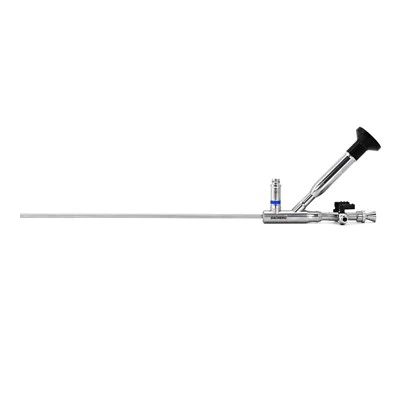
Electronic Endoscope Now, for the quick references to back up all this stuff I ranted about:
- U.S. Environmental Protection Agency. (2022). Medical Waste Management and Recycling Guidelines. Washington, D.C.: EPA Office of Solid Waste and Emergency Response.
- Medical Plastics Association. (2023). Recyclability of Single-Use Medical Devices and Accessories. Arlington, VA: Medical Plastics Industry Coalition.
- World Health Organization. (2021). Safe Management of Medical Waste in Primary Health Care Facilities. Geneva, Switzerland: WHO Press.
- American Hospital Association. (2022). Sustainability Toolkit for Small and Rural Clinics: Waste Reduction and Recycling. Chicago, IL: American Hospital Association.
Zhejiang Jiacheng Medical Instrument Co., Ltd.
We’re well-known as one of the leading medical accessories manufacturers and suppliers in China, specialized in providing high quality customized service to global clients. Please feel free to buy discount medical accessories from our factory. Contact us for more details.
Address: Building 8, Shutai · Fuchun Innovation Park, No. 516, Majia Road, Fengchuan Subdistrict, Tonglu County, Hangzhou, Zhejiang Province, China
E-mail: Ken.huangfu@jiachengmedical.com
WebSite: https://www.jiachengmedical.com/
