If you’ve ever stood at a modern continuous pyrolysis plant during operation, you’ll notice something that sets it apart from its batch-style predecessors: the way waste residue is handled isn’t an afterthought—it’s a core part of the design. As a supplier who’s worked with 70+ plants across three continents over the past 12 years, I’ve seen firsthand how poorly managed residue can cut a plant’s annual profit by 15% or more, while a well-designed system turns a potential headache into a second revenue stream. Let’s break down exactly how a continuous pyrolysis plant approaches this step, because it’s not just about “getting rid of trash”—it’s about efficiency, safety, and sustainability. Continuous Pyrolysis Plant
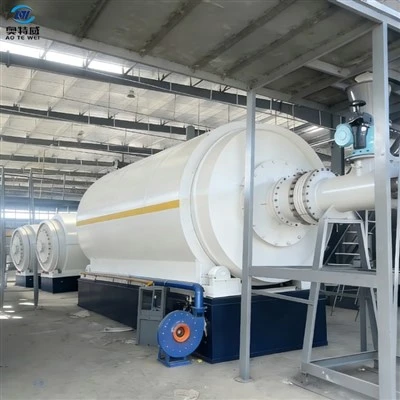
First, let’s define what we’re actually talking about here. The waste residue from continuous pyrolysis is not the same as the leftover ash from a campfire. For most plants processing mixed plastic waste, end-of-life tires, or oil sludge, this residue is a carbon-rich solid, often referred to as pyrolytic char, with small traces of unprocessed polymer, metal, or inorganic contaminants. In batch plants, this residue is usually dumped in landfills, which is not only costly (most landfills charge $30–$50 per ton for industrial waste) but also violates environmental regulations in regions like the EU and parts of the U.S. that ban certain non-biodegradable industrial waste from landfills. Continuous plants, because they run 24/7 in a steady state, can process this residue in a way that’s impossible for batch setups.
The first critical step in our residue handling process is on-line separation, and it’s one of the features I sell most to new clients. Unlike batch plants, which often have to shut down to unload residue, continuous plants use a system of vibrating screens and air classifiers integrated directly into the reactor’s outlet. Let’s walk through that: right after the pyrolysis vapor is siphoned off (that’s the part we turn into fuel oil and syngas), the char falls through a water-cooled screw conveyor. Wait—water cooling is key here. Pyrolytic char is still hot (around 200–300°C when it exits the reactor) and highly flammable; if it comes into contact with oxygen, it can ignite spontaneously. So the screw conveyor doesn’t just move it—it’s jacketed with water to drop the temperature to below 60°C before it touches any open air. That’s a safety baseline we never compromise on, even for small demo plants.
Once cooled, the char goes to the first separation stage: a 2mm vibrating screen. This sifts out large contaminants—think fragments of metal from tire wire, broken plastic chunks that didn’t fully pyrolyze, or even small rocks from construction waste that might have mixed into the feedstock. What falls through the screen is fine, consistent char, and what’s left on top is the “heavier fraction” of contaminants. We don’t just throw that away either; that metal fraction, for example, can be sold to metal reclamation yards for $150–$200 per ton, which offsets disposal costs. It’s a small add-on, but it adds up: for a plant processing 10 tons of waste per hour, that’s roughly 500 tons of metal contaminants a year, turning a waste product into revenue.
Next up, the fine char goes through air classification. This is where we separate the light, pure carbon char from any remaining tiny polymer particles that didn’t break down during pyrolysis. The system blows a steady stream of air through the char; the light pure char stays suspended and is siphoned off, while the slightly heavier polymer particles fall to the bottom. That polymer fraction is actually sent back to the pyrolysis reactor—we pipe it right into the feed hopper, so it’s reprocessed instead of wasted. I’ve had clients who thought this was too complex at first, until they crunched the numbers: a 10-ton plant will send back around 80 tons of polymer residue a year, which means they’re not only reducing waste but also cutting their feedstock costs by 3–5%, since they’re reusing material they would have otherwise discarded.
Now, what happens to that pure char after separation? This is where most new clients are surprised: it’s not a useless byproduct. Pyrolytic char has a range of commercial uses, and our continuous plants are designed to produce a grade that fits most of them. The two most common applications are solid fuel and soil amendment, but it also works as a raw material for activated carbon, carbon black, and even construction materials. Let’s break down each use and how our plants tailor the char for it.
First, solid fuel. Many of our clients run small-scale industrial facilities, like brick kilns or cement plants, that need low-cost, low-emission solid fuel. The char from our continuous plants has a calorific value of around 28–32 MJ/kg, which is comparable to sub-bituminous coal, but with much lower sulfur and no heavy metals. We can adjust the pyrolysis temperature (our plants have precise temperature control, within ±5°C, which is a big difference from batch plants that can have 20–30°C fluctuations) to make the char harder or more brittle—if it’s going to be burned as fuel, we crank the temperature up to 550–600°C, which makes it denser and easier to transport and store. One of my clients in Indonesia, who runs a brick factory, used to buy coal at $85 per ton; now they buy our char at $45 per ton, cutting their fuel costs by nearly half. That’s the kind of return on investment that makes continuous pyrolysis worth it.
Second, soil amendment, or biochar, as it’s often called. For clients working in agriculture or reforestation projects, the char from our plants is perfect for improving soil fertility. It’s porous, so it holds water and nutrients, and it’s inert, so it doesn’t leach chemicals into the soil. To make the grade for biochar, we adjust the pyrolysis temperature to 450–500°C, which gives the char a higher surface area—around 300 m² per gram, which is comparable to many commercial biochar products. We also add a simple post-treatment step: a light wash to remove any residual volatile compounds, which makes it safe for use in organic farming. A client in Kenya, who runs a 20-ton plant processing corn stalks and plastic waste, sells their biochar to local smallholder farmers for $120 per ton, creating a whole new revenue stream that they didn’t have with their old batch plant.
Of course, there’s always the 5–10% of residue that’s too contaminated to be used, even after separation. That’s usually small bits of inorganic material, like glass or sand, that can’t be separated from the char. For that, our plants have a secure, low-emission disposal system: the residual waste is compacted into sealed drums and sent to licensed industrial landfills, but because we’ve already separated 90% of the usable material, the volume of waste going to landfill is less than 1 ton per day for a 10-ton plant. That’s a massive difference from batch plants, which can send 5–10 tons of waste to landfill daily. We also equip every plant with a syngas recovery system that burns the small amount of gas produced during pyrolysis to heat the residue handling system, so we’re not wasting any extra energy on processing that final small fraction.
Wait, let’s address a common misconception: some people think that continuous pyrolysis is too expensive for small plants, but the residue handling system is actually where the payoff comes in. A batch plant might cost $150,000 for a 10-ton setup, but they’ll pay an extra $50,000 a year in landfill fees. A continuous plant costs $250,000 upfront, but they’ll make $80,000 a year from selling the metal, polymer, and char, and they’ll only pay $10,000 a year in minimal residual disposal fees. That’s a clear return on investment within 3–4 years, which is a big selling point for small and medium-scale businesses.
Another key part of our residue handling design is automation. Unlike batch plants, which require workers to manually unload residue every 8–12 hours, our continuous systems are fully automated. The vibrating screens, air classifiers, and conveyor belts are all controlled by a single PLC (programmable logic controller) that adjusts separation parameters in real time based on the feedstock. For example, if a plant starts processing more end-of-life tires (which have more metal contaminants) than plastic waste, the PLC automatically increases the screen’s vibration frequency to catch more metal. This means less labor, fewer human errors, and a more consistent product, which is critical for selling the char to industrial buyers.
I’ve seen too many plants get this wrong. A client in Brazil bought a batch-style pyrolysis plant three years ago, thinking they could skip the residue handling design. Within two years, they were hit with a $120,000 fine from environmental regulators for illegal dumping of char, and their fuel oil production dropped by 10% because they couldn’t separate the unprocessed polymer from the vapor. When they upgraded to our continuous plant, we retrofitted a residue handling system to their existing reactor, and within six months, their fines stopped, their fuel oil production went back up, and they started selling char to a local construction company that uses it as a filler in asphalt. That’s the kind of problem we help clients avoid.
Now, let’s talk about safety, because this isn’t something we cut corners on. All our residue handling systems are designed to prevent exposure to flammable gas and fine char dust, which are both fire and explosion hazards. The conveyor belts are sealed, so no char dust escapes into the plant, and the entire system is pressurized with nitrogen to prevent oxygen from entering. We also install dust collection systems that capture any stray char particles, which can be sold as a fine carbon powder for specialty uses, like in rubber manufacturing or water filtration. One of our clients in Germany uses that captured dust to produce activated carbon for water treatment, adding another $30,000 a year to their revenue.
Sustainability is the big buzzword in waste management right now, but for us, it’s not just about marketing. The residue handling system in a continuous pyrolysis plant cuts the carbon footprint of the entire process by 25–30%, because we’re reusing 90% of the residue instead of sending it to landfill. A study from the European Environment Agency found that landfilled industrial waste accounts for 12% of global methane emissions, so by reducing landfill waste, our plants are also helping to cut greenhouse gas emissions. That’s a benefit that our clients can market to their own customers, especially if they’re working with brands that have net-zero targets.
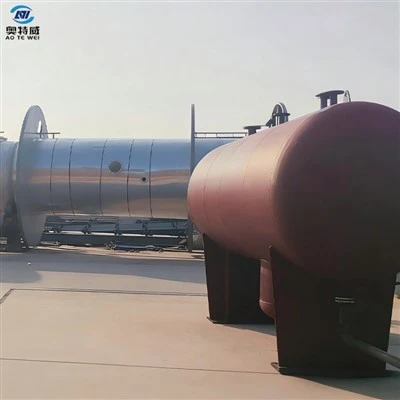
At the end of the day, the core of how a continuous pyrolysis plant handles waste residue is turning a liability into an asset. It’s not just about processing the leftover material—it’s about designing every step of the system to separate, repurpose, and sell as much of that residue as possible, while keeping safety and environmental regulations in mind. If you’re running a pyrolysis plant, or thinking about investing in one, and you’re struggling with residue disposal costs or low byproduct value, let’s connect to walk through how our custom continuous systems can work for your feedstock and business goals. We’ve helped 50+ clients across the Americas, Europe, and Asia optimize their residue handling, and we’d be happy to share case studies and cost projections tailored to your operation.
Batch Pyrolysis Plant References
- Global Waste to Energy Association. (2022). Pyrolysis Byproduct Valorization: A Technical and Economic Analysis.
- European Environment Agency. (2021). Industrial Waste Management and Landfill Emissions Report.
- International Pyrolysis Science Journal. (2020). Continuous vs Batch Pyrolysis Residue Handling Efficiency.
- United Nations Industrial Development Organization. (2022). Small-Scale Pyrolysis Plant Operational Guidelines.
Shangqiu Aotewei Environmental Protection Equipment Co., Ltd.
Shangqiu Aotewei Environmental Protection Equipment Co., Ltd. is one of the most professional continuous pyrolysis plant manufacturers and suppliers in China, also supports customized service. Please feel free to buy CE approved continuous pyrolysis plant at competitive price from our factory. Welcome to contact us for pricelist.
Address: No.88 Longhai Road, Liangyuan District, Shangqiu City, Henan Province, China
E-mail: colin@henanpower.com.cn
WebSite: https://www.aoteweitech.com/
