Hey guys, let’s cut to the chase. I’ve been selling smart light poles for a few years now, and one question I get asked nonstop—at trade shows, on calls, even when I’m grabbing coffee with a city planner— is this: Are these things actually approved for public use? It’s a totally valid question, too, because if a city’s gonna drop a $10k+ pole on every street block, it needs to know it’s not gonna get shut down mid-install over some random red tape. Let’s break this down like I would for a new client—no jargon, no fluff, just real answers from someone who’s been on the ground dealing with approvals every single week. Smart Light Poles
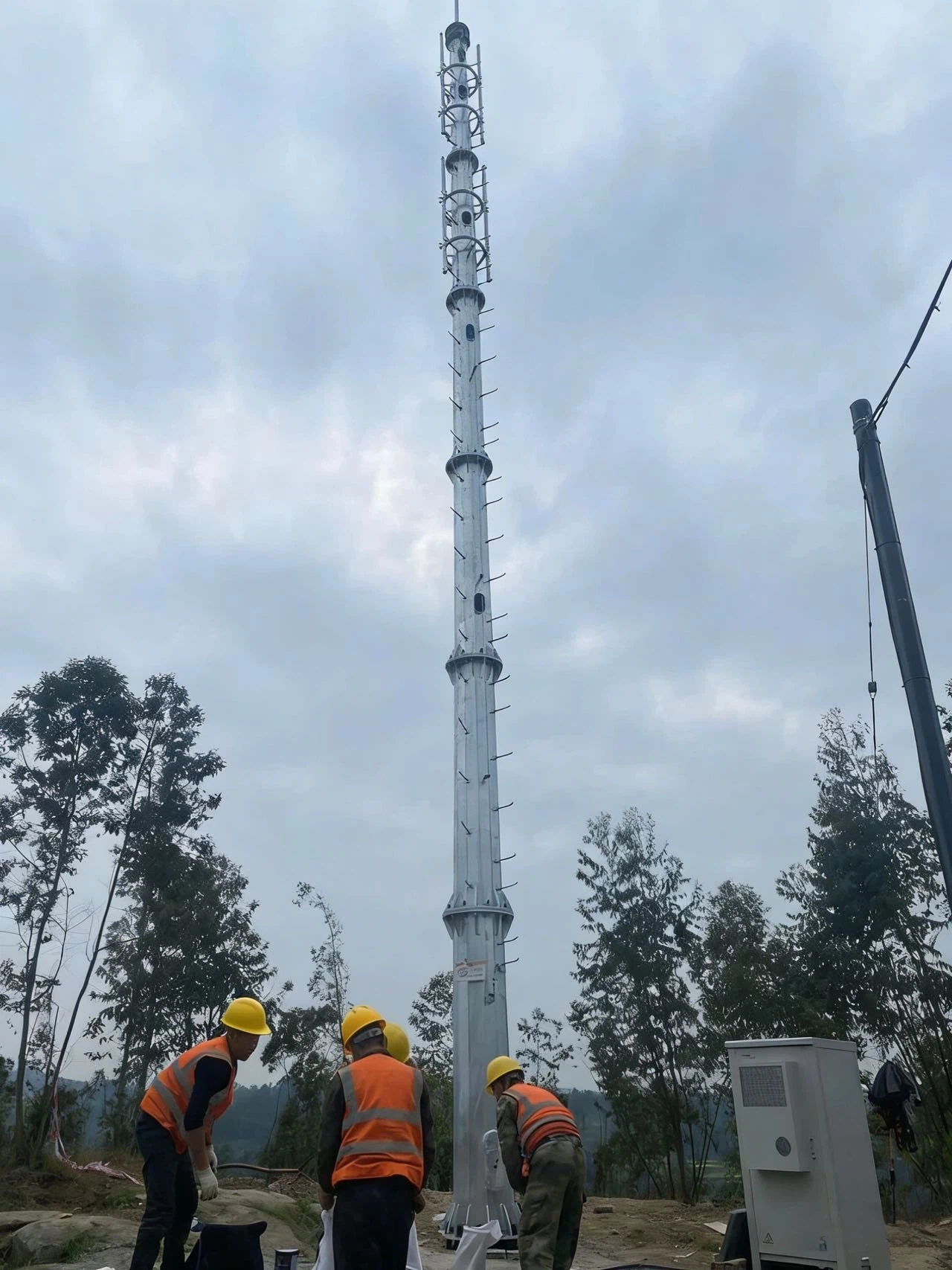
First off, let’s get one thing straight: Smart light poles aren’t some untested, pie-in-the-sky tech that got dreamed up in a garage last year. Wait, okay—some of them do get dreamed up in garages, but the ones that actually make it to public use are put through the same (if not stricter) tests as the regular street lights you’ve had outside your house for 50 years. Let’s start with the basics: What even is a smart light pole? It’s not just a light with a Wi-Fi box stuck on top. It’s a single structure that combines LED lighting, plus other gear like small cell antennas, sensors for air quality or traffic, maybe even EV chargers. And every part of that setup has to pass local, state, and federal rules before it goes anywhere near public land.
I see a lot of people panic about small cell stuff, right? Like, “Oh, 5G antennas on poles—are those approved?” Yeah, most of them are, but it depends on where you live. The FCC (that’s the Federal Communications Commission, for anyone who doesn’t geek out on comms rules) made a big ruling back in 2018 that sped up approvals for small cell deployments, saying cities can’t drag their feet for years on tech that’s supposed to help with internet access. That doesn’t mean they skip inspections, though. Every antenna we install on our poles has to meet FCC radiation limits—way lower than the amount of radiation you get from a cell phone, by the way. I remember a city in Ohio that almost nixed a project because a local group was worried about radiation, so we brought in a third-party lab to do on-site tests, handed them the numbers, and boom—approval was done in 3 days. No conspiracy, no weird hoops, just hard data.
Next up, the electrical and structural stuff—this is the boring, but super important, part that stops poles from falling over in a thunderstorm. Our poles (and most reputable suppliers’ poles, I should add) get certified by independent engineering firms. Like, a company that doesn’t care if you buy from us or someone else will test the pole’s ability to withstand 100+ mph winds, heavy snow loads, even earthquake activity if it’s in a high-risk area. They also test the LED lighting systems—make sure they don’t flicker, don’t waste more than a certain amount of energy, and meet the dark sky rules a lot of cities have now (no annoying sky glow that ruins stargazing). We had a project in Colorado last year where the city had super strict dark sky rules, so we adjusted our lighting fixtures to be shielded, and passed the inspection on the first try. That’s not luck—that’s part of the approval process.
Wait, what about public safety? That’s a huge one. Smart poles often have security cameras, right? And I know privacy is a big deal. A lot of cities won’t approve a pole unless the camera footage is only for public safety—no storing it on the pole, no sharing it with third parties unless there’s an emergency. We build our poles with that in mind. The cameras we use only record live feeds that go straight to a local police or traffic management center, no cloud storage unless the city requests it, and all footage is deleted after 7 days. We also have sensors that detect things like gunshots or car crashes, which sends alerts to emergency crews in real time. In Texas, a city used our poles for a downtown district last year, and the gunshot sensor helped police respond 2 minutes faster to a shooting. That’s the kind of thing that makes approvals easier, because cities see the actual public benefit, not just tech for tech’s sake.
Now, let’s talk about the big caveat: Approval isn’t one-size-fits-all. What works in New York City might not work in a small town in Iowa. Big cities have whole departments dedicated to smart city tech, so they have streamlined processes. Small towns might have to go through their city council, planning commission, even a public hearing because they don’t have a lot of experience with this stuff. I recently worked with a town in Vermont that took 6 months to approve our poles, but that’s because they wanted to make sure they were compatible with their existing Wi-Fi network, and that the solar-powered version (since they wanted to save energy) would work in their snowy winters. They asked questions, we provided custom test data, and now they’re about to install 20 poles. That’s not a roadblock—that’s just how local approvals work, and any reputable supplier will walk you through every step.
I also get asked a lot about existing projects that are already up. Like, look around—there are smart light poles in hundreds of cities across the US, from San Francisco to Chicago to Miami. A lot of those were approved through public-private partnerships, where the supplier installs and maintains the poles for 10-15 years, and the city pays nothing upfront. That model has been huge for getting approvals, because cities don’t have to fork over a bunch of cash to test new tech. We’ve done a few of those, and every single project was signed off on by the city’s public works, IT, and safety departments before we even showed up to dig the holes.
Wait, let’s address the elephant in the room: Have there been cases where smart poles got denied? Yeah, of course. Last year, a city in Oregon turned down a proposal because the supplier tried to cut corners on the structural certification. The pole wasn’t rated for their local wind speeds, so it failed inspection. That’s a lesson for everyone—approval isn’t something you can fake. You have to use certified parts, do the tests, and follow the rules. That’s why I always tell clients to ask for third-party certification numbers before they even think about a proposal. If a supplier can’t show you that, they’re not worth your time.
So, putting this all together: Are smart light poles approved for public use? The short answer is yes—when they’re built by reputable suppliers, tested, and tailored to local rules. But it’s not a “set it and forget it” thing. Approval takes collaboration between the supplier, the city, and the community. You have to be transparent about privacy, safety, and costs. You have to be willing to adjust if a city has specific rules—like, if they don’t want cameras near parks, or they need the lights to be extra dim in residential areas at night.
At the end of the day, cities approve these poles because they solve real problems: better lighting, faster emergency response, better internet access, even cutting down on energy bills. I’ve had cities tell me that after installing our poles, their street light energy costs dropped by 40%, and traffic accidents went down by 15% in a year. That’s the kind of data that gets people on board. And the approval process? It’s not designed to stop tech—it’s designed to make sure the tech is safe and works for the public.
If you’re a city planner, a public works director, or someone who’s just trying to figure out if smart light poles are right for your area, I’d love to chat more. I don’t do hard sell—no spam calls, no endless emails. I just bring the facts, the test data, and the real stories from the 50+ projects I’ve worked on. Drop a line, and we can go over your city’s specific rules, how we can tailor our poles to fit, and walk through the approval process step by step. No pressure, no jargon, just real answers.
Power Towers References:
- Federal Communications Commission. (2018). Report and Order in Matter of Expanding Broadband Deployment Through Access to the Public Rights-of-Way.
- National Electrical Manufacturers Association. (2022). Third-Party Certification Standards for Outdoor Smart Pole Structures.
- International Dark-Sky Association. (2021. Guidelines for Shielded LED Street Lighting in Public Spaces.
- U.S. Department of Transportation. (2023). Smart Street Light Deployment: Public Safety Approval Protocols.
Hebei Yifeng Steel Structure Co., Ltd.
As one of the most professional smart light poles manufacturers and suppliers in China, we offer a wide range of products with superior quality. Please feel free to buy cost-efficient smart light poles for sale here from our factory. Contact us for more details.
Address: Guangchuan Town Industrial Zone, Jing County, Hengshui City, Hebei Province
E-mail: hbyfgjg@163.com
WebSite: https://www.yf-powertowers.com/
