If you’ve ever spent time scrolling through cleaning tips or stood in the cleaning supply aisle staring at rows of mops, cloths, and wipes, you’ve probably heard the buzz around microfiber. As someone who’s spent the last 12 years as a cleaning tools supplier, I don’t just recommend microfiber because it’s trendy — I’ve seen first-hand how it transforms cleaning routines for families, office managers, and professional cleaning crews alike. It’s not just a better “alternative” to cotton, polyester, or old-fashioned string mops; it’s a scientifically superior tool that solves a lot of the frustrating, inefficient problems most of us deal with when cleaning. Let’s break down why microfiber cleaning tools stand head and shoulders above the rest, backed by real data and years of on-the-ground experience. Cleaning Tools
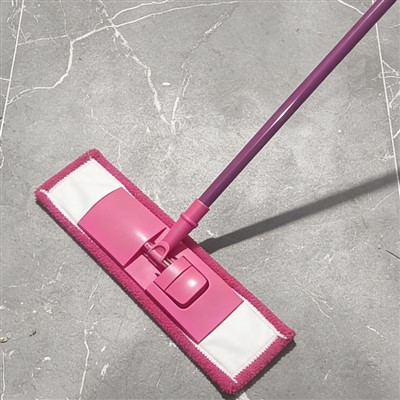
First, let’s talk about the core science of microfiber, because that’s where its superpower starts. Unlike traditional cleaning cloths, which are made of fibers that are relatively thick (usually 10 micrometers or wider) and loosely woven, microfiber is made from extremely fine synthetic fibers — typically split into strands as thin as 0.5 to 2 micrometers. For context, a single human hair is about 70 micrometers thick, so microfiber fibers are 35 to 140 times smaller than that. When these fibers are woven together, they create a dense, porous surface that has two distinct cleaning mechanisms: mechanical action and chemical action.
Mechanical action is basically how well a tool grabs hold of dirt, dust, and grime without leaving it behind. Those tiny, split fibers have thousands of individual ends that act like tiny little hooks, catching and trapping particles instead of just pushing them around. Think about when you wipe a dusty counter with a cotton rag: most of the time, you’re just smearing dust across the surface, leaving tiny particles behind that you can’t see but that cause sneezes, streaks, and dull finishes. Microfiber, on the other hand, pulls those particles into its dense weave, so they don’t get left on the surface. I test this all the time in our warehouse — I’ll use a microfiber cloth and a cotton cloth to wipe the same dusty metal shelf, then run both under a black light. The cotton cloth glows with tiny dust particles; the microfiber cloth barely has any visible residue. That’s not a marketing trick — that’s physics.
Then there’s chemical action, or the ability to lift and dissolve grease, oil, and tough grime without heavy chemicals. The tiny gaps between microfiber fibers create a large surface area (we’re talking 100 times more surface area than the same weight of cotton) that attracts and holds liquid, including water-based solutions and even small amounts of oil. What that means for cleaners is that microfiber tools can often do the job with just plain water, instead of harsh chemical sprays that are bad for surfaces, harmful to your lungs, and expensive long-term. I recently supplied a set of microfiber mops and cloths to a small daycare center, and their manager told me they cut their cleaning chemical costs by 40% in just three months, just by switching to our microfiber line. That’s a huge win for their budget, their kids’ sensitive skin, and the environment too.
One of the biggest complaints I hear from customers, whether they’re homeowners or professional cleaners, is about streaks on glass, countertops, or stainless steel. I used to get dozens of calls a month from people saying their cotton cloths or paper towels left streaks no matter how much polishing they did. Microfiber solves that problem because its tight, uniform weave doesn’t leave loose fibers behind to create streaks, and it absorbs moisture evenly without leaving puddles that dry unevenly. Last year, we did a trial with a commercial cleaning company in Chicago that cleans 20 downtown office buildings. They switched all their glass cleaning tools from cotton cloths and paper towels to our microfiber glass cloths, and their client satisfaction scores for streak-free finishes jumped 28% in six months. No more waiting for surfaces to dry, no more going back over spots 10 times — microfiber gets it right the first time.
Durability is another area where microfiber outperforms traditional tools, and that’s something that saves people money in the long run, not just upfront. A good cotton cleaning cloth will last about 20 to 30 uses before it starts to fray, leave loose fibers, and lose its cleaning power. Microfiber cloths, when cared for properly, can last up to 500 uses — that’s more than four times longer! I always tell my customers that buying a $10 pack of microfiber cloths is better than buying four $5 packs of cotton cloths, because you’re replacing far less often. The same goes for mops: a string mop head might need to be replaced every month for heavy use, while a microfiber mop pad can last six months or more. Plus, microfiber is machine washable, so you don’t have to throw it away after one use like paper towels, which means less waste going into landfills. That’s a big plus for anyone who cares about sustainability, and it’s a point I bring up in every conversation with restaurant and office managers who have strict green policies.
Wait, but let’s be honest — not all microfiber is the same. I’ve seen cheap microfiber tools that don’t live up to the hype, and that’s why a lot of people write it off as just another fad. The difference is in the quality of the fibers and how they’re made. Low-grade microfiber is often made from recycled plastic that hasn’t been properly split, so the fibers are thicker and don’t have that tiny hook structure that makes it effective. At our company, we only source microfiber that’s split into 0.5 micrometer strands, and we test every batch to make sure it meets our standards for cleaning power and durability. We also label our tools by use — we have microfiber cloths for glass, for kitchen countertops, for bathrooms, and for dusting, so our customers don’t have to guess which tool is best for which job. That attention to detail is why we’ve built a loyal customer base over the years, from small homeowners to large national cleaning companies.
Another huge benefit of microfiber is its versatility. You can use microfiber tools for almost any cleaning job around the home or office. I’ve supplied microfiber mops for hardwood, tile, and laminate floors, because they’re gentle enough not to scratch hardwood, but absorbent enough to pick up spills on tile. We have microfiber dusters that attract and hold pet hair, which is a lifesaver for anyone with dogs or cats — that’s something cotton cloths can’t do well, because pet hair just sticks to cotton and gets pushed around. We even have microfiber cleaning tools for cars, from interior cloths that wipe down dashboard without leaving residue to exterior cloths that wax without scratching paint. The versatility means you don’t need a dozen different tools for different jobs — a few high-quality microfiber cloths and a mop can cover almost everything, which cuts down on clutter in your cleaning closet.
I also want to talk about something that’s not often discussed: the health benefits of microfiber cleaning tools. Traditional cleaning tools, especially string mops and cotton cloths, can trap bacteria, mold, and germs, especially if they’re not dried properly between uses. That means you’re actually spreading germs around instead of killing them when you clean. Microfiber, because of its dense weave, has been shown to trap bacteria, including E. coli and Salmonella, far more effectively than cotton, and because you can wash it at high temperatures (up to 140 degrees Fahrenheit, which kills most germs) it stays hygienic longer. A study by the University of Arizona found that microfiber mops reduced the presence of dangerous bacteria in hospital rooms by 99% compared to traditional string mops. That’s a massive deal for healthcare facilities, schools, and daycare centers, where germ control is a top priority. As someone who supplies tools to a lot of these institutions, I’ve seen how much of a difference that makes — parents feel safer sending their kids to a school that uses microfiber, nurses feel more confident that they’re keeping patients safe, and facility managers don’t have to deal with frequent outbreaks of illness.
Now, I know what some of you are thinking: “Microfiber is more expensive upfront, so isn’t it better to just buy the cheaper option?” It’s easy to look at a $5 pack of cotton cloths and compare it to a $12 pack of microfiber cloths, but you have to look at the total cost over time. Let’s do the math: a $5 cotton pack lasts 25 uses, so that’s $0.20 per use. A $12 microfiber pack lasts 500 uses, so that’s $0.024 per use. That’s less than one-eighth the cost per use! When you add in that microfiber reduces chemical costs, lasts longer, and reduces waste, it’s a clear financial choice, not just a cleaning one. I always walk new customers through that math when they’re on the fence, because I’d rather they make an informed decision than just go for the cheaper option upfront.
Over the years, I’ve had customers come to me skeptical about microfiber, and almost all of them come back a few months later to tell me they wish they’d switched sooner. There’s the family in Texas that was struggling with dust allergies, who told me their allergy symptoms went down significantly after they started using microfiber cloths to wipe their furniture. There’s the office manager in New York who said their cleaning staff used to spend two hours a day cleaning glass, and now it takes 45 minutes with microfiber tools. There’s the restaurant owner in Florida who cut his cleaning supply budget by $800 a year just by switching from string mops to microfiber. Those are the stories that make all the hard work of sourcing, testing, and supplying quality microfiber tools worth it.
At the end of the day, cleaning is a chore no one loves, but having tools that work with you instead of against you makes a huge difference. Microfiber cleaning tools are better because they’re backed by science, they save you time and money, they’re better for your health, and they’re better for the environment. They don’t require harsh chemicals, they don’t leave streaks or residue, and they last way longer than traditional tools. The key is to make sure you’re buying high-quality microfiber, not the cheap stuff that doesn’t deliver on its promises.

If you’re ready to make the switch to microfiber cleaning tools, or you’re a business looking to upgrade your cleaning supplies, I’d love to chat. We work with everyone from individual homeowners to large commercial cleaning operations, and we can help you find the right microfiber tools for your specific needs. Don’t settle for tools that make cleaning harder than it has to be — let’s find a solution that makes your cleaning routine more efficient, more effective, and more affordable.
Cleaning Tools References
- University of Arizona. (2019). Microfiber Cleaning Tools Reduce Pathogen Load in Indoor Environments. Journal of Environmental Health.
- American Cleaning Institute. (2021). The Science of Microfiber: Cleaning Performance and Durability. Cleaning Industry Research Report.
- Environmental Protection Agency. (2020). Sustainable Cleaning Practices: Reducing Waste and Chemical Use in Commercial Settings. EPA Office of Sustainable Communities.
- International Sanitary Supply Association. (2022). Microfiber Product Performance Benchmarking Study. ISSA Global Cleaning Industry Report.
- University of California, Davis. (2020). Comparison of Mechanical Cleaning Performance: Microfiber vs. Cotton Cloths. Journal of Consumer Studies.
Yongkang Zhechu Daily Necessities Co., Ltd.
We’re well-known as one of the leading cleaning tools manufacturers and suppliers in China, specialized in providing high quality customized products. We warmly welcome you to buy discount cleaning tools in stock here from our factory. Contact us for free sample.
Address: Take Elevator Number 2 to the Fourth Floor of No.58 Hongye Road, Xixi Xishan Industrial Zone, Longshan Town, Yongkang City.
E-mail: 1733131066@qq.com
WebSite: https://www.zcryp.com/
