If you work in industrial process control, chances are you’ve dealt with control valves and know how finicky they can be. One of the most common headaches we hear about from plant operators is unplanned process variability — and more often than not, friction in the control valve is the culprit. As a control valve supplier who’s spent years on the floor listening to what you guys actually need, let’s break down what that friction really is, why it matters, and simple, effective ways to reduce it. Control Valve
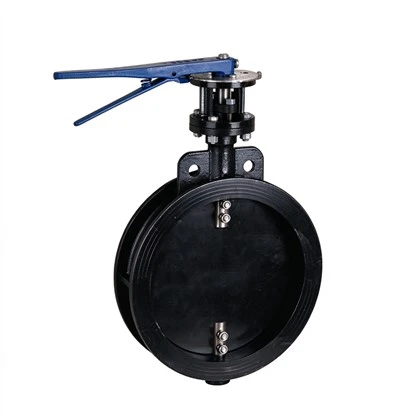
First, let’s get the basics straight: control valve friction is the resistance that builds up between moving parts inside a valve, stopping or slowing the stem, plug, or disk from moving when you send a signal to do so. Think of it like driving a car with a sticky brake pedal — you press the gas (the control signal) but the wheel doesn’t turn as smoothly as it should, leading to uneven movement. Unlike the easy friction of your bike chain, valve friction isn’t just wear and tear; it’s a dynamic force that changes with temperature, pressure, and even how long the valve has been sitting idle. For example, a valve that’s been closed for weeks might have dried lubricant or rust along the stem, causing it to need way more force to open than one that moves daily.
Let’s make this real: last year, a chemical plant we work with told us their reactor pressure was swinging wildly, and they couldn’t figure out why. Their team checked the transmitters, the DCS signals, even the piping, and all looked good. When we sent a tech to do a loop test, we found the control valve’s stem was sticking — friction was so high that the 4-20mA signal from the controller only moved the stem 10% instead of the full 50% they needed. That’s the problem in a nutshell: friction creates a gap between what your system tells the valve to do and what it actually does, leading to messy process control, wasted energy, and even downtime.
Now, why does this friction happen? It’s not one cause — it’s a mix of small, avoidable issues and some that sneak up on you over time. Let’s list the big ones we see every day:
Stem wear and misalignment: The stem (the rod that connects the actuator to the plug) moves through a packing gland, a set of seals that keeps process fluid from leaking out. If the stem isn’t perfectly aligned (say, during installation or from piping stress), it rubs against the packing instead of moving straight. Over time, that creates uneven wear — high spots on the stem, worn packing material, and more friction. We’ve seen valves where just a 1-degree misalignment made friction 3x higher than it should be.
Packing material and compression: Too tight, and the packing squeezes the stem so hard it sticks. Too loose, and you get leaks, which is a whole other problem. Many plants over-tighten packing to avoid fugitive emissions, not realizing that extra tension adds friction. Even the type of packing matters: old-style graphite packing might be cheap, but it can harden at high temperatures, sticking to the stem. Modern PTFE-based packing with better lubricity cuts that friction a lot.
Lubrication issues: Stems need lubrication to slide smoothly, but not too much. We’ve seen plants use generic grease that breaks down under high temperatures or gets washed away by process fluid, leaving the stem dry. Other times, they skip lubrication entirely to avoid contamination in food or pharma processes — which leads to rust and dry friction.
Actuator sizing: Wait, that’s not a valve part, right? Actually, if your actuator is too small, you might crank up the air pressure to get it to move, but that extra pressure pushes the stem harder into the packing, increasing friction. It’s a vicious cycle: small actuator = more force = more stem pressure = higher friction.
Now, the good news: reducing friction isn’t rocket science, and most fixes we recommend are quick, don’t require replacing the whole valve. Let’s go through the practical steps we’ve tested with hundreds of clients:
-
Ditch over-tightened packing — find the “breakpoint”
This is the easiest win. When you install or repack a valve, don’t just crank the nuts until no leaks come out. The rule of thumb we teach is: after tightening the packing gland nuts finger-tight, use a wrench to turn them 1/8 to 1/4 turn max. Then do a “stem pull test”: pull the stem by hand — it should move smoothly without sticking, but have a light resistance. If you can wiggle it back and forth easily, it’s too loose (you’ll get leaks). If it won’t move, it’s too tight (friction city). For high-temperature applications, use a packing that’s rated for your temp and has built-in lubricants — our go-to for most standard valves is PTFE composite packing, which cuts friction by up to 40% vs traditional graphite. -
Align the stem and valve body correctly
Misalignment is super common, especially when piping is installed wrong or when process changes add stress to the valve. We always recommend doing a alignment check after installation: use a dial indicator to make sure the stem is running straight within 0.005 inches of the valve centerline. If it’s off, adjust the piping supports — don’t try to force the valve to fit. We once worked with a power plant that had to remove a valve, grind down a misaligned pipe, and re-straighten it — once done, friction dropped 50% and their valve failures went down by 70% that quarter. It might feel like a hassle, but it saves you way more in downtime. -
Use the right lubrication (and don’t overdo it)
Lubrication is key, but it’s not one-size-fits-all. For general industrial applications, we use a high-temperature, water-resistant grease — but for food/pharma, we use food-grade lubricant that won’t contaminate the process. Here’s a pro tip: lubricate the stem when you repack the valve, not every month. Too much lubricant can attract dust or clog the packing, leading to more friction. Also, if your valve moves frequently, check the lubricant every 6 months; if it’s idle, check it every 12 months. We had a food processing client who was lubricating their valves monthly — after switching to yearly lubrication with the right food-grade grease, they cut friction-related issues by 80%. -
Size your actuator correctly (no more guessing)
We see so many plants undersizing actuators to save money, but that backfires with friction. When sizing an actuator, you have to account for friction, not just process pressure. The formula is simple: actuator force needs to be at least 1.5x the force required to move the valve stem (that extra factor covers friction). If you already have an undersized actuator, you can add a positioner — a device that adjusts the air pressure to the actuator based on the actual stem position, which compensates for friction. Positioners don’t replace good packing or alignment, but they fix most of the variability from friction, which is a huge help for tight processes. -
Add periodic stem cleaning for idle valves
Valves that sit closed for weeks or months are the most prone to friction. Dried packing, rust, or sediment from process fluid can build up on the stem. Once a quarter, do a “stem exercise”: open and close the valve by hand (or with the actuator) slowly 3-5 times, then clean the stem with a soft cloth and a small amount of lubricant. We have a refinery client that does this every 90 days, and they haven’t had a friction-related valve failure in 2 years — before that, they had at least one a month.
Wait, let’s address a common concern: can reducing packing tension cause leaks? Yes, if you do it wrong. But modern packing materials are designed to seal without squeezing the stem too hard. That’s why switching to PTFE composite packing is such a big help — it has self-lubricating properties that reduce friction, so you don’t have to over-tighten to get a seal. For fugitive emission regulations, which are strict in many industries, PTFE packing actually meets or exceeds fugitive emissions standards, while cutting friction.
Another thing we see: people think friction is just wear, so they wait until the valve breaks down to fix it. But friction is a warning sign — if your valve’s travel is inconsistent, or it sticks a little when moving, that’s friction starting. Catching it early with a simple stem pull test once a month can prevent major issues. We teach our clients to do a quick test every time they do a routine check: pull the stem by hand, if it moves smoothly, you’re good. If it sticks, that’s your cue to adjust packing or clean the stem — no need to replace the whole valve.
Now, let’s talk about what we do as a valve supplier. It’s not just selling valves — it’s supporting you to make them work better. We provide free on-site friction tests for our clients, where our techs do a stem pull test, check packing tension, and make small adjustments that cut friction without costing a fortune. We also stock those PTFE packing kits, positioners, and high-performance lubricants so you don’t have to source them from 5 different places. If you’re tired of process swings, unplanned downtime, or wasted energy from valve friction, we can walk you through a simple audit of your valves to find the problem spots.
At the end of the day, control valve friction is a solvable problem — you don’t have to put up with sticky valves and inconsistent process control. The fixes are small, cost-effective, and most can be done during your regular maintenance schedule instead of shutting down the whole plant.
If you’re dealing with valve friction issues, want to learn more about the right packing or positioners for your application, or need a quick audit to pinpoint the problem, get in touch with our team to discuss your needs. We’re here to help you keep your process running smooth.
Ball Valve References
- Control Valve Handbook, 5th Edition, Instrumentation, Systems, and Automation Society (ISA)
- "Reducing Friction in Control Valves", Chemical Engineering Progress, Vol. 116, No. 4, 2020
- Packing Material Selection for Control Valves, Valve Manufacturers Association (VMA) of America
- "Actuator Sizing Best Practices", Power Engineering, Vol. 124, No. 7, 2021
Ningguo Haidie Valve Manufacturing Co., Ltd.
We are one of the most experienced control valve manufacturers and suppliers in China, also support customized service. Please feel free to buy bulk durable control valve in stock here and get pricelist from our factory. Quality products and reasonable price are available.
Address: Haidie Valves, Nanshan Industrial Park, Ningguo Economic and Technological Development Area, Ningguo City, Xuancheng City, Anhui Province (located within the premises of Xintai Company)
E-mail: 13606716429@163.com
WebSite: https://www.haidie-vavle.com/
