Improving the output of hot rolling equipment is a crucial aspect for both manufacturers and suppliers in the metalworking industry. As a hot rolling equipment supplier, I understand the importance of enhancing productivity and efficiency to meet the ever – increasing demands of our clients. Here are some effective strategies that can be implemented to boost the output of hot rolling equipment. Hot Rolling Equipment
Optimization of Equipment Design
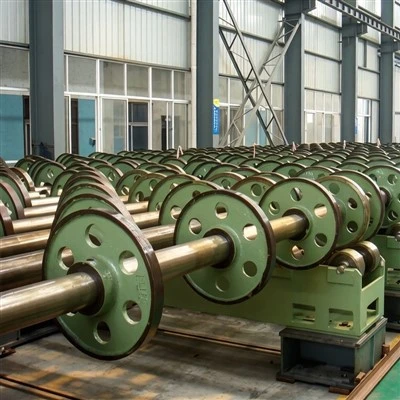
One of the fundamental steps in improving the output of hot rolling equipment is the continuous optimization of its design. When we design hot rolling mills, we need to focus on several key factors. Firstly, the roll design is of utmost importance. The shape, material, and surface finish of the rolls can significantly affect the rolling process. For example, using high – quality roll materials that can withstand high temperatures and wear can reduce the frequency of roll replacement, thereby minimizing downtime.
Advanced roll – contouring techniques can also enhance the quality of the rolled products and increase the production speed. By precisely designing the roll profile, we can ensure more uniform pressure distribution during the rolling process, which leads to better control of the thickness and flatness of the rolled metal sheets or bars.
In addition, the overall layout of the hot rolling line needs to be carefully planned. The arrangement of heating furnaces, mills, and cooling systems should be designed to minimize the transfer time of the workpieces between different stages. This reduces the idle time of the equipment and allows for a more seamless production flow. We can use simulation software to model the entire rolling process and optimize the layout based on the simulation results. This way, we can ensure that the equipment is operating at its maximum potential in terms of throughput.
Process Parameter Adjustment
Fine – tuning the process parameters is another essential strategy for improving the output of hot rolling equipment. The temperature of the workpiece is a critical parameter. Maintaining the appropriate temperature throughout the rolling process is necessary to ensure good formability and reduce the risk of cracking. We can install advanced temperature sensors along the rolling line to accurately monitor the workpiece temperature. Based on the real – time temperature data, the heating and cooling systems can be adjusted accordingly.
The rolling speed also plays a vital role. Increasing the rolling speed within a reasonable range can directly improve the production output. However, we need to be cautious as excessive speed may lead to quality issues such as uneven thickness and surface defects. Therefore, a balance must be struck between speed and quality. We can conduct a series of experiments to determine the optimal rolling speed for different types of metal materials and product specifications.
Another important process parameter is the reduction ratio. The reduction ratio refers to the ratio of the thickness of the workpiece before rolling to the thickness after rolling. By optimizing the reduction ratio, we can achieve more efficient material deformation and reduce the number of rolling passes required. This not only saves time but also reduces energy consumption.
Maintenance and Upkeep
Regular maintenance and upkeep of the hot rolling equipment are indispensable for ensuring high output. A well – maintained machine is less likely to break down and can operate at a more consistent level of performance. Scheduled maintenance should include tasks such as lubrication, inspection of mechanical components, and calibration of sensors.
Lubrication is crucial for reducing friction between moving parts. Using high – quality lubricants can prevent excessive wear and tear, which in turn extends the service life of the equipment. We should follow the manufacturer’s recommendations regarding the type and frequency of lubrication.
Inspection of mechanical components should be carried out regularly to detect any signs of damage or wear. This includes checking the rolls, bearings, gears, and drive systems. Early detection of problems allows for timely repairs or replacements, which can prevent major breakdowns and production disruptions.
Calibration of sensors is also necessary to ensure the accuracy of process monitoring. Incorrect sensor readings can lead to improper process parameter adjustments, which may affect the quality and output of the rolling process. We should establish a strict calibration schedule and use calibrated measurement tools for the calibration process.
Personnel Training
Well – trained personnel are the key to maximizing the output of hot rolling equipment. Operators need to have a deep understanding of the equipment’s operation principles, process parameters, and maintenance requirements. We should provide comprehensive training programs for our clients’ operators.
The training programs should cover theoretical knowledge and practical skills. Theoretical training can include lectures on the working principles of hot rolling equipment, the effects of different process parameters on the rolling process, and safety regulations. Practical training should involve hands – on operation of the equipment under the guidance of experienced instructors.
In addition, we should encourage continuous learning among the operators. We can organize regular workshops and seminars to introduce the latest technological advancements in hot rolling equipment and process optimization. By keeping the operators updated with the latest knowledge and skills, they can better operate and maintain the equipment, which ultimately leads to improved output.
Automation and Digitalization
The integration of automation and digitalization technologies can significantly improve the output of hot rolling equipment. Automation systems can perform tasks such as material handling, process control, and quality inspection with high precision and efficiency. For example, automated material handling systems can quickly and accurately transfer the workpieces between different stages of the rolling line, reducing the manual labor and the time required for material transfer.
Process control systems can automatically adjust the process parameters based on the real – time data collected from sensors. This ensures that the rolling process is always operating at the optimal conditions, which improves the quality and output of the products. Digital quality inspection systems can use advanced sensors and image – processing algorithms to detect surface defects and dimensional inaccuracies in real – time. This allows for immediate corrective actions, reducing the number of defective products and improving the overall production efficiency.
We can also implement data – driven management in the production process. By collecting and analyzing production data, such as production speed, downtime, and quality metrics, we can identify areas for improvement and make informed decisions. For example, if we find that a particular machine component is causing frequent downtime, we can take proactive measures such as increasing the spare parts inventory or scheduling more frequent maintenance for that component.
Collaboration with Clients
As a hot rolling equipment supplier, collaborating closely with our clients is essential for improving the output of the equipment. We should establish a long – term partnership with our clients and understand their specific production requirements and challenges.
We can provide customized solutions based on the clients’ needs. For example, if a client needs to produce a specific type of metal product with high precision, we can design and manufacture hot rolling equipment with advanced control systems and high – precision rolls to meet their requirements.
In addition, we can offer after – sales support services, such as on – site maintenance, technical training, and spare parts supply. By providing comprehensive after – sales support, we can ensure that the equipment is always in good working condition and the clients can achieve the maximum output.
Conclusion
Improving the output of hot rolling equipment requires a comprehensive approach that includes equipment design optimization, process parameter adjustment, regular maintenance, personnel training, automation and digitalization, and collaboration with clients. As a hot rolling equipment supplier, we are committed to providing our clients with high – quality equipment and professional services to help them enhance their production efficiency and competitiveness in the market.
If you are interested in our hot rolling equipment and want to discuss how we can help you improve your production output, please feel free to contact us for a procurement negotiation. We look forward to working with you to achieve your production goals.
Hot Rolling Equipment References:
- Smith, J. (2018). Modern Hot Rolling Technology. Metalworking Press.
- Brown, A. (2019). Optimization Strategies for Hot Rolling Equipment. Journal of Metal Processing, 25(3), 123 – 135.
- Johnson, R. (2020). Automation in Hot Rolling Industry: Trends and Benefits. Industrial Automation Journal, 10(2), 45 – 56.
Jiangsu Dongfang Whole-Set Equipment Manufacturing Group Co., Ltd.
We are one of the most professional hot rolling equipment manufacturers and suppliers in China, also support customized service. With abundant experience, we warmly welcome you to buy durable hot rolling equipment from our factory. If you have any enquiry about pricelist, please feel free to email us.
Address: No. 9, Industrial Park, Xinqiao Town, Jingjiang City, Jiangsu Province
E-mail: dfctwm@163.com
WebSite: https://www.dongfangequip.com/
