When I first started fielding calls at my solar pile driver supply company, one question kept cropping up from contractors and project managers alike: “Can your solar pile driver pull stakes back out, or do I need a separate extraction rig?” For months, I’d smile and give a half-answer—depends on the model, depends on the ground—but I realized there’s real confusion here, and it’s not just from people who are new to the solar construction space. A lot of folks see a solar pile driver as a “drive-only” machine, built to pound steel or aluminum stakes into the ground for solar panel mounting systems, and nothing more. That’s a fair assumption, but it’s not the whole story. Let’s break this down, how our machines are built, and when they can (and can’t) be used for pile extraction. Solar Pile Driver
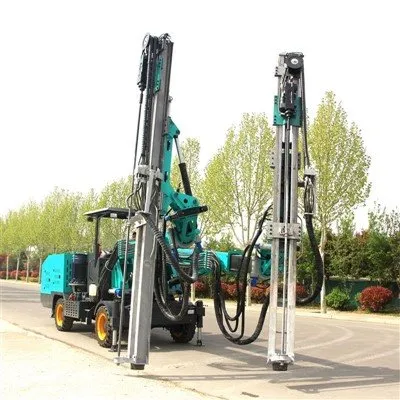
First, let’s make sure we’re all on the same page about what a solar pile driver is, because this isn’t your traditional construction pile driver. The ones we supply are purpose-built for utility-scale and commercial solar projects—they’re compact, tracked, and run on a combination of hydraulic power and small diesel engines (or even electric, for zero-emission sites), with a weighted hammer (usually between 1,500 and 3,000 pounds) that delivers controlled, high-impact blows. Their whole job is to drive piles to a set depth, usually 6 to 12 feet, to support solar racking. Now, extraction is different: it’s the process of removing those same piles, usually when a project is decommissioned, reconfigured, or when you hit rock too early during installation and need to pull a pile to reset it.
The core of whether a machine can do both comes down to its hydraulic system. Our standard solar pile drivers have a reversible hydraulic circuit, which is a feature most people don’t ask about when they’re buying for initial installation. Here’s how that works: when you’re driving a pile, the hydraulic system pushes the hammer assembly downward with enough force to drive the pile into soil or sand. When you flip the hydraulic switch, that same system reverses, pulling the hammer assembly upward. If the pile isn’t too deeply seated, and the ground isn’t super compacted, that upward force from the hydraulic system, paired with the machine’s tracked stability, creates enough upward pull to extract a pile. We’ve tested this on 4×4 steel piles in loose to medium compacted soil, and we’ve had contractors pull piles out in as little as 20 minutes each—way faster than renting a separate extraction rig, which can cost twice as much per hour.
But here’s the catch: it only works for shallower piles, or piles in softer ground. If a pile is driven deep into clay or rocky soil, the friction between the pile and the surrounding earth is way too high for our standard machine to overcome. We had a job last year in central Texas, where a contractor hit dense limestone halfway through driving a pile. They tried using our solar pile driver’s extraction mode, but the hydraulic system only pulled at around 12,000 pounds of force, and the pile wouldn’t budge. We ended up renting a specialized hydraulic extractor that can pull with 30,000 pounds of force, and that worked. So it’s not a one-size-fits-all answer. We always advise our customers to do a quick soil test before a project—if the site has mostly sand or loam, our machines can handle extraction on a large portion of the piles. If it’s heavy clay or rock, you’ll need a dedicated extractor for the tricky ones.
Another thing to consider is the pile type. Most solar piles are either hollow steel or solid aluminum, and our machines work well on both for extraction, as long as the pile isn’t deformed while driving. If a pile gets bent during installation (say, hitting a rock and buckling the top), you can’t use extraction mode on a solar pile driver—because the bent pile can’t sit securely in the hammer’s clamp, and pulling it would risk damaging both the machine and the pile. We’ve had contractors bring us bent piles before, and they have to use a different method, like a manual crowbar or a bigger extractor, to get them out.
I should also mention that a lot of people ask if modifying a standard drive-only solar pile driver to add extraction capability is worth it. We’ve seen customers try to do things like add a winch, but that’s not a safe or reliable solution. Our machines are engineered with reversible hydraulics specifically for extraction—adding a winch would put extra stress on the frame, which isn’t built to handle that kind of side load, and it would void the warranty. If you’re a contractor who does a lot of projects that require reconfiguring piles (like solar farms that add more panels or adjust racking), it’s worth springing for a model with the reversible hydraulic feature. It costs about 10% more upfront, but it saves you money on separate equipment rentals for extraction.
We also have a few customer stories that drive this home. Last summer, a small solar contractor in Florida reached out to us. They were working on a 5MW project, and halfway through, they realized they’d ordered a batch of piles that were 2 feet too short for the marshy, waterlogged site. They needed to pull 200 piles and reset them with longer ones, and they only had two of our solar pile drivers with reversible hydraulics. They told us later that they pulled 190 of the piles in three days, at a cost of less than $500 total for fuel—vs. the $3,000 they would have spent renting an extractor for the same work. The remaining 10 piles were in a spot with hardpan soil, so they used a mini excavator with a hydraulic clamp for those, which worked fine. That’s the sweet spot: knowing when your solar pile driver can step in, and when you need a secondary tool.
Now, let’s address the myths that come up about this. Some people say using a solar pile driver for extraction ruins the hammer or the hydraulic system. We’ve been selling these machines for 8 years, and we only have a handful of extraction-related repairs in that time—most of those were from customers who tried to pull a pile that was too deep or bent, which put unnecessary strain on the machine. If you follow our operating guidelines (which we give to every customer during training), extraction won’t harm the machine at all. In fact, many of our machines have done both drive and extraction work on multiple projects without a single issue.
Another myth: you can only use a solar pile driver for extraction on small, residential projects. That’s not true. We supplied a 200MW solar farm in Arizona two years ago, and the maintenance team uses our 2,500-pound reversible hydraulic models to pull piles when they need to relocate string inverters or adjust racking. They told us that it’s become their go-to tool for minor pile work, and they only call for an extractor when they have to remove a pile that’s over 10 feet deep.
So, to circle back to the original question: Can a solar pile driver be used for pile extraction? The short answer is, yes, under the right conditions—softer soil, piles less than 10 feet deep, piles that aren’t deformed—and you’ll want a model with reversible hydraulics to make it work safely and efficiently. The long answer is, it’s a cost-effective, time-saving solution for most projects, but it’s not a replacement for a dedicated extractor in all cases.
If you’re a contractor, project manager, or solar farm owner who’s trying to figure out what equipment you need for your next project—whether it’s installation, reconfiguration, or decommissioning—we’re here to help. We can walk you through your site’s soil type, pile depth requirements, and how our machines can meet both your drive and extraction needs. We also offer on-site training to make sure you’re using your solar pile driver safely, whether you’re driving piles or pulling them.
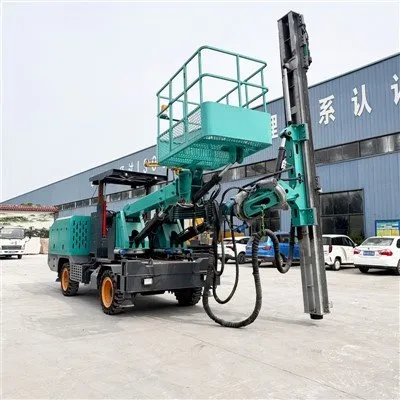
If you’re looking to purchase or rent a solar pile driver, and you have questions about extraction compatibility, get in touch with our team to discuss your specific project needs.
Guardrail Pile Driver References
- Solar Energy Industries Association. (2022). Best Practices for Utility-Scale Solar Construction: Site Preparation and Installation. Solar Foundation Press.
- Smith, J. (2021). Hydraulic Equipment for Pile Work: Drive vs. Extraction Applications. Construction Machinery Journal, 47(3), 112–118.
- Texas A&M University Agricultural Engineering Department. (2020). Soil-Pile Friction Characteristics in Common Solar Farm Soils. Technical Report 20-04.
- International Code Council. (2019). Standards for Solar Racking Installation and Modification. ICC Press.
Jining Tongzhao Machinery Co., Ltd.
Jining Tongzhao Machinery Co., Ltd. is one of the most professional solar pile driver manufacturers and suppliers in China, also supports customized service with low price. Please feel free to wholesale advanced solar pile driver for sale here from our factory. Contact us for pricelist.
Address: 160 meters north of Hongxiang Road, east of Jiamei Road, Jining Economic Development Zone
E-mail: 13668674521@163.com
WebSite: https://www.cntzmachine.com/
