If you’ve ever spent time picking out quartz surfaces for a kitchen countertop, bathroom vanity, or even a built-in outdoor bar, you know the material’s unbeatable combination of durability, stain resistance, and consistent, polished beauty. But when it comes to installing those surfaces, one detail that often gets overlooked until the final stages of a project is the edge profile. As someone who’s been a quartz surface supplier for over a decade, I’ve lost count of how many homeowners, contractors, and interior designers come to me frustrated because they didn’t realize there are dozens of edge options—not just the basic square or rounded over that’s standard on most stock countertops. The right edge profile doesn’t just finish the look; it can make a space feel modern, warm, or even a little luxe, depending on what you choose. Today, I want to break down the most popular and practical edge profile options for quartz surfaces, explain how they work with this unique material, and help you figure out which one might be right for your next project. Quartz Surface
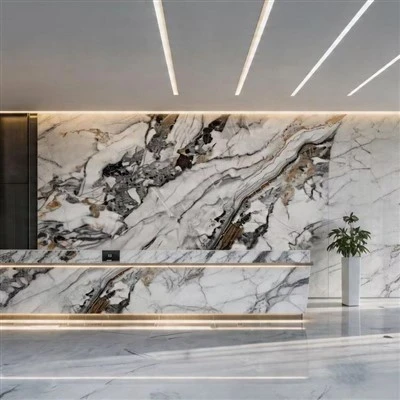
First, let’s talk a little about why quartz edge profiles are different from natural stone like granite or marble. Quartz is a man-made surface, made of about 93% crushed quartz crystal mixed with resin binders and pigments, pressed and cured under high pressure. That manufacturing process makes it extremely consistent and strong, but it also means it can hold edges with more precision than natural stone, which often has subtle variations and weaknesses in its structure. That consistency is a huge win for edge profiles—you can get a crisp, clean detail on quartz that might be harder to pull off on natural stone, and quartz edges are less likely to chip or crack if fabricated properly. It’s also important to note that not all edge profiles work the same for quartz; some require different tooling or finishing techniques, and some are more cost-effective than others, especially for custom projects.
Let’s start with the basics: the most common edge profiles, which are great for any budget and work in almost any space. The first is the Straight Square Edge, also sometimes called a sharp edge. This is the simplest profile, just a 90-degree angle where the top of the counter meets the vertical side. It’s clean, modern, and perfect for minimalist kitchens or contemporary bathrooms, where lines are crisp and uncluttered. The downside? If it’s not finished properly, the sharp corner can be prone to small chips, especially in high-traffic areas like kitchen islands where people bump into it. That’s why as a supplier, we always recommend a slight radius (even just 1mm) on a straight square edge for residential use—small enough to keep the sharp look, but enough to reduce chipping. It’s also the most affordable option, since it requires the least amount of extra work during fabrication.
Next up is the Half Bullnose Edge. This is a classic, timeless profile that’s been around for decades, and it’s still a fan favorite for both traditional and transitional spaces. A half bullnose curves gently from the top surface down to the side, with a smooth, rounded edge. It’s warm, softens the look of a countertop, and is much less likely to chip than a sharp square edge, which makes it ideal for homes with kids or elderly family members who might bump into counters. It works really well with quartz because the consistent material means the curve is uniform, no uneven patches like you might get with a natural stone slab. A half bullnose is versatile enough for a farmhouse kitchen, a small bathroom vanity, or even a laundry room, and it’s reasonably priced, too. For a little extra, you can upgrade to a Full Bullnose, which curves all the way from the top, over the edge, and down the vertical side of the counter. That’s a bolder, more luxurious look, perfect for large islands or vanity tops where the edge is a focal point. It’s slightly more expensive because it requires more material and precision during fabrication, but it’s well worth the extra cost if you want a high-end feel without going for something super elaborate.
If you’re a fan of softer, more understated details, there are several eased edge profiles that fall somewhere between square and bullnose. The most common is the Quarter Round Edge, also called a rounded eased edge. This is a small, gentle curve (usually 3mm to 6mm) on the corner of the square edge. It’s just enough to take the sharp edge off, so it’s safe for high-traffic areas, but it still maintains the clean lines of a square edge, which is great for modern spaces where you don’t want a bulky bullnose. Another eased option is the Beveled Edge. A bevel cuts the edge at a 45-degree angle, rather than a 90-degree angle, so it creates a small, flat surface on the edge of the counter. Beveled edges add a subtle decorative touch, and they make the countertop look a little thicker than it actually is, which is great if you have a thin quartz slab (many quartz slabs are 2cm or 3cm thick, and a bevel can make them look like 4cm for a fraction of the cost). Beveled edges work really well with both light and dark quartz colors; a thin white quartz with a subtle bevel adds a classic touch to a traditional kitchen, while a dark grey quartz with a bevel looks sleek in a modern space. One thing to note: beveled edges can catch crumbs or dust a little more than a smooth bullnose, so if you’re looking for a low-maintenance option, you might want to stick with a simpler profile.
Now, let’s talk about more custom and decorative edge profiles, which are perfect if you want your quartz countertop to be a statement piece. These are a little more expensive and require more skilled fabrication, but quartz’s consistency makes them easier to pull off than with natural stone. First up is the Ogee Edge. An ogee is a classic S-shaped profile, with a convex curve at the top and a concave curve at the bottom, creating a decorative, almost ornate look. It’s been used in architecture for centuries, and it adds a touch of elegance to any space—great for a formal kitchen, a master bathroom vanity, or even a built-in bar. Ogee edges work best with thicker quartz slabs (3cm is ideal) because they need enough material to create the smooth S-curve without looking bulky. They are more labor-intensive to fabricate, so they’re on the higher end of the price scale, but they’re timeless enough that you’ll never tire of them. Another decorative option is the Roman Ogee, which is a softer, more rounded version of the ogee, without the sharp angle in the curve. It’s a little more understated than a traditional ogee, so it works well in spaces that want a touch of elegance without being over-the-top.
If you love textured or layered looks, there’s the Chiseled Edge, also called a V-groove or chiseled eased edge. This profile mimics the look of natural stone that’s been chiseled or hand-carved, with small, angled cuts along the edge that create texture and depth. It’s a great option for outdoor quartz surfaces (like patio countertops or bar tops) because it’s durable and doesn’t show scratches as easily as a smooth edge, and it pairs really well with rustic or farmhouse-style spaces. Quartz is perfect for chiseled edges because the uniform material means the cuts are consistent and don’t have the weak spots that natural stone can have when carved. For a more modern take on texture, there’s the Micro Bevel Edge, which is a tiny, almost unnoticeable bevel (just 1mm or 2mm) along the edge. It’s a subtle detail that adds a little polish to a countertop without being flashy, and it’s become really popular in contemporary designs lately, especially for small spaces where you don’t want a bulky edge to make the room feel smaller.
Another important thing to consider when choosing an edge profile for quartz is functionality. Let’s be real—most of us use our kitchen counters for more than just setting down dishes; we chop, knead, and set hot pans on them, so the edge needs to work with how we live. If you’re someone who uses the edge of your counter to rest mugs or books, a full bullnose or ogee edge is great because it’s smooth and comfortable. If you have a small kitchen where space is tight, a square or quarter round edge will make the countertop look less bulky, which helps the room feel larger. For people who entertain a lot, a full bullnose or ogee edge is great because it’s easy to wipe crumbs off, whereas a bevel or chiseled edge can trap food particles. Also, keep in mind that if you’re adding an undermount sink (which is very popular with quartz), you’ll want an edge that works well with that. A straight square or eased edge pairs perfectly with an undermount sink, since the sink sits under the counter and the edge is clean. A full bullnose can work too, just make sure your fabricator adjusts the cutout for the sink to fit.
As a quartz supplier, I also want to mention a few common mistakes people make when choosing edge profiles for quartz. The first is choosing a profile that’s too complicated for the thickness of your slab. Most standard quartz slabs are 2cm or 3cm thick. A full bullnose or ogee on a 2cm slab can look thin and flimsy, so it’s better to stick to simpler profiles like quarter round or bevel if you’re using 2cm quartz. If you want a bold, curved edge, go for a 3cm slab—it’s sturdier and will look much better with detailed profiles. The second mistake is not considering the finish of the quartz itself. If you have a matte or textured quartz slab, a highly polished edge might clash with the surface finish. For example, if you have a rough, honed quartz countertop, a polished full bullnose will look out of place; instead, opt for an eased edge or a chiseled edge that’s finished in the same honed texture as the slab, for a cohesive look. The third mistake is forgetting about long-term maintenance. As I mentioned earlier, sharp square edges are prone to chipping if bumped, so if you have kids or pets, it’s worth spending a little extra on a rounded edge to avoid costly repairs down the line.
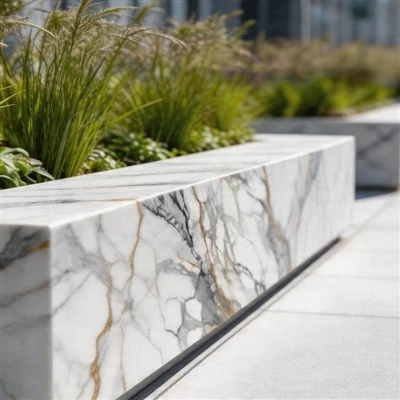
At the end of the day, the best edge profile for your quartz surface depends on your personal style, your budget, how you use your space, and the thickness of your slab. If you’re still not sure which option is right for you, don’t hesitate to reach out. As a quartz surface supplier, I’ve worked with hundreds of homeowners and contractors to pick the perfect edge profile for their projects, and I’m happy to share guidance based on your specific needs. Whether you’re planning a small bathroom vanity, a full kitchen renovation, or an outdoor bar, we can help you choose a quartz slab, pick the right edge profile, and make sure your installation goes smoothly. Contact our team today to discuss your project and get a personalized quote for your quartz surface needs.
Quartz Stone Finishes References:
- Marble Institute of America. (2020). Quartz Countertop Design and Installation Guidelines.
- National Kitchen and Bath Association. (2021). Kitchen and Bath Edge Profile Guide.
- Stone Fabricators Alliance. (2019). Best Practices for Fabricating and Finishing Quartz Surfaces.
- International Organization for Standardization. (2018). Standard for Artificial Quartz Stone Slabs for Building Interiors.
Wuhu Junde New Material Technology Co., Ltd.
As one of the most experienced quartz surface manufacturers and suppliers in China since 1998, we warmly welcome you to wholesale top-quality quartz surface made in China here from our factory. If you have any enquiry about cooperation, please feel free to email us.
Address: No.8 Yulin Road, Xinwu Economic Development Zone, Anhui Province, China
E-mail: 1127319898@qq.com
WebSite: https://www.jundequartz.com/
