If you’ve ever walked past a manufacturing plant, a laundromat’s back room, or even a food processing facility, you’ve probably heard that loud, rhythmic hum of an industrial dryer working away. For anyone in the market for one—whether you’re replacing a tired old unit or outfitting a whole new production line—it’s easy to take these machines for granted, like they just spin and blow hot air. But when you’re the person actually buying or selling them (raise your hand if you’ve spent three nights troubleshooting a dryer that won’t hit the right moisture level), understanding how they work isn’t just a fun fact. It’s the difference between a machine that runs for 10 years without a hitch and one that’s costing you money in wasted energy and downtime. Industrial Dryer
I’ve been supplying industrial dryers for over a decade now, and I swear every time a customer says “it just dries stuff, right?” I know we’re about to have a deeper conversation that will save them (and me, honestly) a lot of headaches. Let’s break this down like I would over a coffee at a trade show—no super jargon, just real talk about how these things actually function.
First off, let’s get one thing straight: industrial dryers aren’t the same as the home dryer in your basement. Yeah, they both use heat, air, and a spinning drum, but that’s where the similarities end. A home dryer might dry a load of clothes in 45 minutes, but an industrial one could be handling 500 pounds of plastic pellets, fabric rolls, or even potato slices—stuff that’s not just wet, but often sticky, dense, or too large for home-sized machinery. So their inner workings are built for consistent, heavy-duty performance, not just getting your socks dry.
Let’s start with the core parts because if you know these, you can follow every step. Every good industrial dryer has a few key components, and they all work in sync like a well-oiled (wait, no—actually, we try to avoid too much oil these days because it’s messy) team. There’s the power supply, the heating element (or heat source), the air movement system, the drying chamber (that’s the drum or tray area where the material sits), the moisture removal system, and the control panel. Simple enough, right? Now let’s walk through the process step by step, like we’re watching a batch of wet corn kernels go through a grain dryer, or a load of newly dyed fabric go through a textile unit.
First, you load the wet material. This part might sound obvious, but for industrial units, loading can be done manually for small operations or via conveyor belts for big factories. The material gets placed into the drying chamber, which is either a rotating metal drum (for things like grains, nuts, or pharmaceuticals) or a set of stacked trays (for fragile stuff like fruit or leafy greens that can’t get banged around). Once it’s loaded, the machine doesn’t just crank up the heat right away—modern units will usually do a quick check of the initial moisture level with a sensor, which feeds data to the control panel. That sensor is a game-changer because it means the dryer doesn’t waste energy heating if the material is already drier than expected, or cranking too long if it’s still too wet. I can’t tell you how many customers have told me they used to run their old dryers on a set timer, so they’d either end up with over-dried, crumbly material or still-wet stuff that held up production. Those days are mostly gone, thanks to those tiny but powerful sensors.
Next up is the heat source. This is where things get interesting, because industrial dryers don’t all use the same kind of heat. Some use electric heating elements—think of a super-sized version of the coils in your home dryer. Others use natural gas or propane, which is way more energy-efficient for large operations because gas heats air faster and cheaper than electricity when you’re moving thousands of cubic feet of air. Then there are the ones that use waste heat from other factory equipment, like a nearby boiler or generator—those are my favorite, because they’re eco-friendly and save customers a ton on utility bills. A few even use steam, which is perfect for manufacturing plants that already have steam lines running (like textile mills or food processing plants). The heat source’s job is simple: raise the temperature of the air that will come into contact with the wet material. But here’s a tip that most new customers don’t know: the temperature isn’t the only thing that matters. The humidity of that incoming air matters too. If you live in a super humid place like Florida, running a dryer with the same temperature settings as someone in dry Arizona will result in slower drying, because the air already has a lot of moisture. That’s why we always talk to customers about their location and the ambient conditions before picking a dryer—small details that make a huge difference.
Once the air is heated, it needs to get moving. That’s where the blower (or fan) system comes in. This isn’t the quiet little fan in your home dryer—industrial blowers are loud, powerful, and designed to move a lot of air quickly. The blower pulls in air (either outside air or recirculated air, depending on the model) and pushes it through the heating element, then into the drying chamber. Wait, hold on—why recirculate air? Oh right, because heating air takes energy. If you can reuse the air that’s already been heated and just remove the moisture from it, you save a ton of money. That’s called a closed-loop system, and it’s super common in industries where fumes are a concern too—like drying chemicals or flammable materials, because you don’t want to release those fumes into the factory floor. Open-loop systems, on the other hand, pull in fresh air, heat it, pass it over the material, and then blow the moist, heavy air out the exhaust. That’s simpler and cheaper for some smaller operations, but not as efficient.
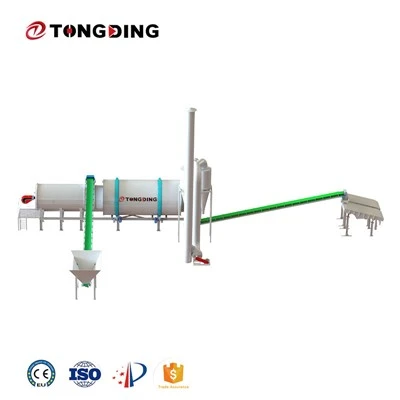
Now, the actual drying happens when that hot, dry air meets the wet material. This is the part where the spinning drum or stacked trays do their work. If it’s a drum dryer, the rotation keeps the material moving, so every piece or piece of fabric gets exposed to fresh hot air, not just sitting in a pile where air can’t reach it. If it’s a tray dryer, the trays are usually on a conveyor that moves slowly through the heat chamber, so the material gets passed through zones of slightly different temperatures—warm-up, drying, cooling—for even results. The key here is that the air has to be moving at the right speed, too. Too slow, and it can’t pick up moisture from the material fast enough. Too fast, and it might blow lightweight material around (like grains) or even damage fragile stuff (like fresh herbs). It’s a balance, and that’s where the control panel comes in again—modern units let you adjust air flow, temperature, and even rotation speed based on what you’re drying. I once had a customer who was drying powdered milk and kept getting lumpy batches; turns out their old dryer had the air flow set too high, so it was blowing the fine powder around instead of drying it evenly. A quick adjustment fixed their problem, and they’ve been a repeat customer ever since.
But wait—what happens to all that moisture that the air is picking up? If the dryer just keeps circulating that moist air, it will get saturated and stop absorbing more moisture, right? That’s where the moisture removal system comes in, and this is another area where industrial dryers differ a lot. For open-loop systems, it’s pretty simple: the exhaust fan blows the moist air out the roof or through an exhaust pipe, while the blower pulls in fresh, dry air to replace it. For closed-loop systems (the ones that recirculate air), they have a condenser. The moist, hot air is pushed through the condenser, which cools it down, so the water vapor turns back into liquid water (condenses) and gets drained away. Some dryers also have a dehumidifier built in, or use a desiccant—like silica gel—to absorb moisture, which is great for super sensitive materials that can’t handle high temperatures. For example, if you’re drying electronic components, you can’t use high heat, so a desiccant dryer uses a material that grabs moisture at low temperatures, then is heated up and reused to keep the cycle going. That’s more expensive upfront, but it’s necessary for industries where temperature control is critical.
Once the material is dry, the process isn’t over yet. Most industrial dryers have a cooling phase too. Think about it: if you pull something hot and dry out of a drum, it might absorb moisture from the air right away, especially if it’s a material like fabric that’s porous. The cooling phase blows cool air over the dry material, bringing it down to room temperature so it’s ready for packaging or processing. That’s another thing I see customers skip sometimes—they turn off the dryer as soon as it hits the moisture level, and then wonder why their product is getting damp before it even leaves the warehouse. A 10-minute cooling cycle is a small step that saves a lot of hassle later.
Now, let’s talk about the parts that make industrial dryers different from home ones, because that’s why you can’t just buy a home dryer to handle 500 pounds of material a day. For one thing, industrial units are built to run 12, 16, even 24 hours a day, 7 days a week. Their parts are heavy-duty—thicker steel drums, commercial-grade blowers, heating elements that can handle constant use. They also have safety features that home dryers don’t, especially for flammable materials (like wood chips or plastic pellets): flame sensors, fire suppression systems, and explosion vents. I once worked with a wood products company that had a small fire in their old dryer because they didn’t have proper safety sensors; we retrofitted their new dryer with a smoke detector and automatic fire suppression, and they haven’t had an issue since. Safety isn’t something to cut corners on, that’s for sure.
Another big difference is energy efficiency. Home dryers have come a long way, but industrial dryers can be 20-30% more efficient if you get the right one, because they’re designed for large-scale, consistent use. Recirculating air, waste heat recovery, and smart controls that only use energy when needed all add up. I had a customer who switched from an old open-loop dryer to a closed-loop recirculating unit last year; their monthly energy bill for drying fabric dropped by $1,200. That’s not chump change, especially for a small business.
But here’s the thing: even the most well-built dryer won’t work right if it’s not matched to your specific needs. I can’t tell you how many times I’ve seen someone buy a cheap dryer online because it looked like a good deal, only to call me a month later saying it can’t handle their material, uses too much energy, or breaks down every other week. The key to a good industrial dryer isn’t just knowing how it works—it’s knowing how to pick one that works for your product, your facility, and your budget.
Let’s wrap this up with a quick recap, because I know I threw a lot at you. An industrial dryer works by: 1) Loading wet material into a drying chamber, 2) Sensors check initial moisture level and adjust settings, 3) A heat source heats air to the right temperature, 4) A blower moves that heated air through the chamber, where it passes over the material to pick up moisture, 5) The moist air has that moisture removed (either by exhausting it or condensing it), 6) The dry material goes through a cooling phase, then is unloaded. All of this is controlled by a panel that adjusts in real time, so you get consistent results without wasting energy.
If you’re in the market for a new industrial dryer, or you need to replace an old one that’s causing headaches, don’t waste time guessing. A little knowledge of how these machines work goes a long way, but the best way to make sure you get the right unit is to talk to someone who actually works with them every day. I’ve been helping businesses pick the right dryers for over a decade, and I’ve seen first-hand how a well-matched dryer can cut costs, reduce downtime, and improve product quality. Whether you’re drying food, textiles, chemicals, or anything in between, there’s a dryer that’s perfect for your needs—you just need someone to walk you through the options, no salesy lines, no nonsense, just real advice. If you’re ready to chat through what you need, reach out and let’s figure this out together. It’s better than dealing with a dryer that leaves you with wet or over-dried product, trust me.
Packing Machine References
- American Society of Mechanical Engineers. (2020). Industrial Drying Processes: Fundamentals and Equipment Design. ASME Press.
- Strumillo, C., & Kudra, T. (2018). Drying: Principles, Equipment, and Applications. CRC Press.
- U.S. Department of Energy. (2021. Industrial Process Heating: Dryer Efficiency Guide. Office of Energy Efficiency & Renewable Energy.
Zhengzhou Tongding Machinery Equipment Co., Ltd.
Zhengzhou Tongding Machinery Equipment Co., Ltd. is one of the most professional industrial dryer manufacturers and suppliers in China, featured by quality products and good price. Please rest assured to buy CE approved industrial dryer made in China here and get quotation from our factory. Also, customized service and 5 years warranty are available.
Address: Kexue Avenue Industrial Park, Xingyang City, Zhengzhou City, Henan Province
E-mail: admin@tongdingmachine.com
WebSite: https://www.td-machinerygroup.com/
