If you’ve ever walked past a plastic factory, a feed mill, or even a backyard composting operation, you’ve probably seen the end product of a pelletizing line: small, uniform little pellets that are easy to transport, store, and use. As a pelletizing line supplier, I get asked all the time—what actually can we process on these lines? The short answer is way more than most folks realize, and I’m not just talking about plastic (though that’s a big one). Let’s break it down, no stuffy industry jargon, just the real stuff we work with every day. Pelletizing Line
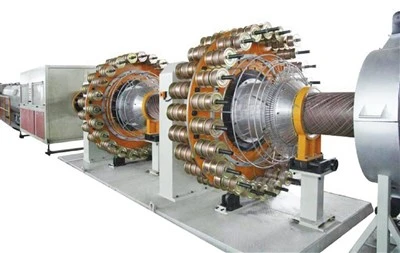
First up, let’s get the most obvious category out of the way: plastics. This is where pelletizing lines started, honestly. Back in the day, factories used to just ship loose plastic scrap, and it was a mess—material got dirty, broke apart in transit, and you wasted so much space. Now, we process everything from post-consumer plastic to industrial offcuts. I’ve seen lines handle LDPE film from grocery store drops, HDPE jugs from milk and detergent bottles, PP scrap from auto parts factories, even polystyrene foam from packaging. Wait, and not just clean scrap—we can do dirty stuff too, like plastic with food residue, or mixed grades that people thought were useless. Modern lines have wash tanks, dryers, and air classifiers that separate contaminants before pelletizing, so you don’t have to sort every last bit by hand. A lot of my clients are plastic recycling plants, and they swear by their lines turning garbage into something sellable. Even better, a lot of these are recycled plastics now, which ties into the whole circular economy thing—no more sending plastic to landfills, just turn it into new pellets for bottles, pipes, or even playground equipment.
Next, animal feed and agricultural materials. This one’s super important to me, because my cousin runs a small feed mill and he was stuck with lumpy grain and seed mixes for years. Then he got a pelletizing line and now he’s cranking out uniform feed pellets for chickens, cows, even fish. What do we process here? Corn, wheat, barley, alfalfa, soybeans, sunflower meal, and even things like distillers’ grains left over from beer making. We also do additives—minerals, vitamins, and antibiotics (the good ones, for livestock health) get mixed in before pelletizing. The neat thing about agricultural pelletizing is that it’s not just about making it look nice: the heat and pressure from the pellet die kill bacteria, so the feed is safer for animals, and the dense pellets don’t spoil as fast as loose grain. We also process bedding for livestock—like straw and sawdust turned into bedding pellets that are easier to handle and less dusty than loose straw. A lot of farmers I work with say they save 30% on storage costs just by switching to pellets.
Then there’s biomass and renewable energy materials. As more people move away from fossil fuels, biomass pellets have blown up in the last 10 years. We process wood waste first, right? Sawdust from sawmills, wood chips from tree trimmings, even forest thinnings that would otherwise be burned or left to rot. Then there’s agricultural waste too—rice husks, sugarcane bagasse, corn stover (the stalks left after harvesting corn). These pellets burn way cleaner than loose wood or crop waste, no flying sparks, easy to load into furnaces for home heating or power plants. I’ve even had a client who processes hemp waste for biomass pellets—they grow hemp for fiber, and the leftover stalks get turned into pellets. Another thing here: we can also process waste paper and cardboard for biomass, which is a great way to keep that out of landfills. A lot of small power plants rely on these pellets now, and their lines are basically the same as feed lines, just adjusted for the harder wood fiber.
Wait, what about things that are a little more “oddball” but still common? Like pharmaceuticals and nutraceuticals. I know that sounds random, but pelletizing is huge here. Think about vitamin tablets, herbal supplements, or even ingredients for prescription drugs. We process powders like calcium, vitamin C, herbal extracts, and binders that hold the pills together. The pellets here have to be super uniform, no contaminants, and sometimes we even coat them for delayed release. My team worked with a nutraceutical company last year that makes dog joint supplements—they were using loose powder and it was hard to get the right dose, so pelletizing solved that. We use food-grade stainless steel for these lines, no leftover gunk from previous materials, so they meet all the safety standards for the FDA or EU food safety rules.
Then there’s industrial minerals and chemicals. This is a category that not many people talk about, but it’s big for manufacturing. We process things like talc, clay, limestone, graphite, and even pigments for paint and plastics. These pellets are used as raw materials for making things like ceramic tiles, drywall, batteries, and fertilizer. Wait, fertilizer! Oh right, we process granular fertilizer materials—nitrogen, phosphorus, potassium (the NPK stuff) and mix them with trace elements like zinc and manganese. Pelletizing fertilizer makes it easier to spread evenly on fields, no dust blowing away, and it releases nutrients slower so plants get fed over time instead of all at once. A lot of agricultural supply companies use our lines for this, way better than bagging loose granules.
Let me be real here: not every pelletizing line does every single one of these. If you’re processing pharmaceutical materials, you can’t use a line that just did plastic scrap, right? We design lines to match the material, because each one has its own quirks. For example, plastic needs to be melted and extruded through a die, while agricultural feed is dry and just needs to be compressed into shape. Wood biomass is harder, so we use thicker dies and more powerful motors. That’s where a good supplier comes in—we don’t just sell a one-size-fits-all machine. We’ll walk through what you’re processing, what your output needs are, how much you want to produce per hour, and even your budget, then build a line that fits. I’ve had people come to me thinking they need a $100k line for a small farm, but we can build a compact, affordable line that’s perfect for their needs, no overpaying for stuff they don’t use.
I should also mention what we don’t process, just to be clear. We can’t handle materials that are super flammable without extra safety measures, or things that are really abrasive (like certain metal powders) unless we have special liners. And we don’t process hazardous waste unless you have the proper permits and we’ve modified the line for that—we’re all about compliance, no cutting corners here.
A lot of my clients tell me pelletizing changed their business. One plastic recycling client was losing money because their loose scrap cost more to ship than the material was worth, but after pelletizing, they can ship 10x as much in the same truck, and sell the pellets for more. A small feed mill owner doubled his output and cut waste by 40% after switching. It’s not just about making small pellets—it’s about making raw materials useful, transportable, and valuable.
If you’re someone who’s sitting there thinking “we have this material that’s lumpy or hard to handle, can a pelletizing line help?” the answer is almost always yes. I’ve seen it work for everything from plastic bottles to hemp waste to vitamin powders, and the team here will help you figure out the right setup. No sales pitches, no jargon, just straight talk about what will work for your operation.
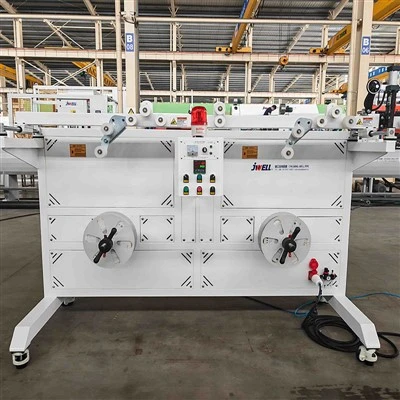
If you’re looking to upgrade your line, add a new product, or just want to get a quote, hit me up. We can walk through your needs, answer any questions you have, and make sure you get a line that actually works for you, not us. Don’t waste time with generic machines that don’t fit your material—let’s build something tailored.
Pelletizing Line References:
- Plastics Industry Association. (2023). Recycled Plastic Pellet Processing Best Practices.
- American Feed Industry Association. (2022). Pelletizing Technology for Livestock and Aquaculture Feed.
- International Energy Agency. (2021). Biomass Pellets: A Guide for Small-Scale Heating Operations.
- U.S. Food and Drug Administration. (2020). GMP Requirements for Pharmaceutical Pellet Manufacturing.
- Fertilizer Institute. (2022). Granulation and Pelletization for Agricultural Nutrient Management.
Zhejiang Jwell Pipe Equipment Co., Ltd.
As one of the most professional pelletizing line manufacturers and suppliers in China, we’re featured by quality products and good price. Please rest assured to buy cheap pelletizing line in stock here from our factory. Customized orders are welcome.
Address: No.128 Qingfeng Road, Xieqiao Town, Haining City, Jiaxing City, Zhejiang Province
E-mail: salaa@jwell.cn
WebSite: https://www.jwell-pipe.com/
