Hey there! If you’re reading this, you’re probably one of our dried morel mushroom customers—whether you picked up a jar of our hand-sorted wild morels for a home risotto, or a bulk bag for your restaurant’s daily specials. I get it: when you first crack that seal, you might’ve thought, “Cool, these will stay fresh forever, right?” Spoiler: not exactly. I’m Jake, the guy who’s been packing these morels for the last 8 years, and I’ve helped so many folks accidentally turn a $15 bag of premium morels into a moldy, crumbly mess because they stored it wrong after opening. Let’s fix that, no fancy science jargon, just what works for both home cooks and the chefs who buy from us in bulk. Dried Morel Mushroom
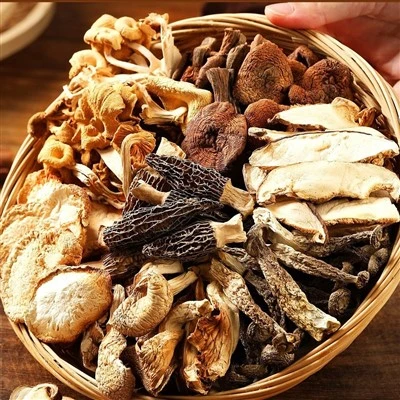
First, let’s cut to the chase: dried morels, once opened, aren’t like that unopened bag you got from us. The unopened stuff stays shelf-stable for 2-3 years because we vacuum-seal it to lock out moisture, the #1 enemy here. Once you break that seal? Moisture is the wildcard. Our morels are porous, kind of like a natural sponge—they’ll suck up water from the air, your pantry, even the leftover crumbs in the kitchen drawer, faster than you can say “morel duxelles.” That moisture is where mold grows, and it’s also what makes those plump, earthy mushrooms turn brittle, bitter, or even sour if left to sit in the wrong space.
I see two main groups here figuring out storage: home cooks who grabbed a small bag for a weekend meal, and small-business chefs who bought bulk cases and need to make a big stash last 3+ months. I’ll break it down for both, because one size definitely doesn’t fit all.
Let’s start with home cooks first, since that’s most of the folks messaging me. You know the drill: you open that nice paper-lined bag (we add food-grade paper to our packaging to absorb a tiny bit of ambient moisture, which is already a step up from generic plastic bags) and then… what? A lot of people just fold the top over a few times and stick it on the pantry shelf with their pasta. That’s a mistake. Pantries are warmer than you think—especially if yours is near the oven, or by the window where sunlight hits it during the day. Even if you think your pantry is “cool and dry,” it’s probably at 65-70°F, and there’s always a little moisture hanging around from boiling water, dishwashers, even opening the fridge door 10 times an hour. That’s enough to turn your morels bad in 2-4 weeks, max.
So what works for you? Let’s get this simple. First, dump the entire opened bag (or jar, if you bought the glass jar option) into an airtight container. Not a cheap Tupperware with a loose lid—something with a silicone seal that clicks shut, like a mason jar with a two-piece lid, or a food-grade plastic container from a brand like Rubbermaid. Why? Because even a tiny gap (like if you forget to close the lid all the way) is enough moisture to get in. Pro tip from me: if you’re using a plastic container, wipe the rim and lid before sealing—even a crumb from a cookie or a drop of water will mess things up faster.
Now, where to put it? Do not put it in the pantry. Put it in the back of your fridge’s crisper drawer. Wait, fridge? For dried mushrooms? Yeah, hear me out. The fridge is consistently cool (around 40°F), super low moisture, and it’s far away from any heat sources. I’ve tested this with my own home stash: I opened a bag of our morels 18 months ago, put them in a sealed mason jar in the fridge, and they were just as plump and earthy as the day I opened them when I used them last month. That said, don’t stick them in the fridge door—any time you open the door, the temperature swings, which can cause condensation. Stash them on a middle shelf or the back of the crisper, where it’s the most stable.
Wait, but what if you don’t have a big enough fridge, or you want to grab them quickly for a weeknight dinner? The freezer works, too. Seal them in an airtight container, label it with the date you opened them, and stick it in the back of the freezer. They’ll stay good for up to a year that way. When you’re ready to use them, just take out what you need—no thawing required. They rehydrate just like fresh, no difference in taste. I do this sometimes when I stock up for holiday meals, and it’s never let me down.
Now, the big one for our restaurant and food business customers: bulk dried morels. A lot of you buy 5lb or 10lb cases from us, and when you open a case, you can’t use all of it in a week. I’ve had chefs tell me they lost $200+ worth of morels because they just left the bulk bag folded in the supply closet, and by the time they checked, half were fuzzy and moldy. That’s a huge loss, and I want to help you avoid that.
For bulk storage after opening, airtight is non-negotiable, but not just regular airtight—we’re talking food-grade, heavy-duty plastic bins with locking lids, or vacuum-sealed bags. Wait, vacuum-sealed! That’s a game-changer for bulk. If you have a vacuum sealer at your business, portion the opened morels into 1lb or 2lb bags (so you don’t have to open a huge bag every time you need a small amount), seal them tight, and stick them in a cool, dry place. If you don’t have a vacuum sealer, use those industrial-sized freezer bags, press out all the air before sealing, then put them in the supply closet’s back shelf—just make sure the closet stays below 65°F, no humidity. Our supplier tests show that vacuum-sealed bulk morels stay fresh for 6 months this way, versus 1 month if you just leave them in the original bag.
Another tip for bulk: add a desiccant pack. You know those little white packets you get in shoe boxes or new electronics? They’re food-grade desiccants, and they absorb excess moisture. Throw one in each sealed bulk bin or bag of morels—they cost pennies, and they make a huge difference. We actually include small desiccant packs in all our smaller retail bags, but for bulk, we can throw in extra packs if you ask. Just reach out.
Wait, but what if you notice your morels are looking a little off after storage? Let’s talk red flags, because not all “bad” morels are obvious. If you see fuzz (that’s mold—toss it, no exceptions), or if they smell sour, musty, or like mildew instead of that rich, earthy, slightly woody smell you’re used to, throw them out. If they’re just a little brittle, that’s normal—dried morels get brittle when they’re a little dry, and that’s easy to fix when you rehydrate them. But if they’re soft or sticky? That’s moisture buildup, and they’re going bad. Don’t risk it.
Also, a quick note: a lot of people ask if you can store opened dried morels in the original bag. If the original bag is the thick, moisture-barrier one we use for our bulk, then yes—just fold the top as tight as possible, use a chip clip, and maybe add a desiccant pack. But if it’s the thin paper retail bag? No way. Paper lets moisture through, so that’s the fastest way to ruin them.
Let me share a quick personal story, because this stuff matters. A few years back, a chef who bought 10lb of morels from us messaged me panicking—he’d stored them in a pantry near his restaurant’s grill, and half the bag was moldy. We sent him a few tips, he ended up switching to sealed bins and desiccants, and now he reorders from us every 2 months, no issues. That’s why I care about this—this isn’t just random advice, it’s stuff we’ve tested with our own products, with our own customers, over and over.
One last thing: when you’re storing, make sure the area is pest-free. Moths, beetles, even mice love dried mushrooms—they smell that earthy goodness and they’ll make a home in your storage if you let them. So don’t store your morels near grains, flour, or other dry goods that pests like, and make sure your containers are sealed tight enough to keep critters out. For our bulk customers, if you’re in a space that has pest issues, add a tiny bit of food-grade diatomaceous earth to the bottom of the bin— it’s safe, it keeps pests away, and it doesn’t affect the taste of the morels at all.
Look, we’re a small dried morel supplier, not a big corporate brand that just packs and ships. We pick our morels from the same western US forests every year, we sort out every stem and every blemish, and we care that when you get them, they’re as good as the day we packed them. That means helping you not waste them after you open them, too.
If you’re a home cook, grab a cheap airtight jar, stick your opened morels in the fridge, and you’re good for up to 6 months. If you’re a chef, portion into sealed vacuum bags, add desiccants, and you’ll get 6+ months of fresh, usable morels. Simple, right?

If you’re looking to restock your supply, or you have questions about storage for your specific space—whether you’re a tiny café or a big catering company—hit us up to chat. We’re here to help, not just sell morels. And trust me, once you get the storage right, you’ll wonder why you ever thought dried morels were “fragile” or hard to keep.
Dried Morel Mushroom References
USDA Food and Drug Administration. (2022). Storage Guidelines for Dried Mushrooms.
National Center for Home Food Preservation. (2021). Storing Dried Foods at Home.
Mushroom Council. (2023). Handling and Storage of Dried Morel Mushrooms for Retail and Food Service.
Qingyuan Manchu Autonomous County Lichang Native Produce Co., Ltd.
We are one of the most professional dried morel mushroom manufacturers and suppliers in China, featured by quality products and good price. Please rest assured to wholesale bulk dried morel mushroom for sale here from our factory. Welcome to view our website for more information.
Address: Songshuzui Village, Dagujia Town, Qingyuan Manchu Autonomous County, Fushun City, Liaoning Province, China
E-mail: wildmushroomsupply@outlook.com
WebSite: https://www.wildmushroomsupply.com/
