If you’ve ever shopped for plywood for a build—whether it’s a backyard shed, a custom bookshelf, or a kid’s playhouse—you’ve probably run into terms like ACX and CDX and wondered what the difference actually is. I’m a plywood supplier, and every single day customers stop by or shoot me a text asking which one they should grab for their project. It’s not just a random alphabet soup—those two letters and the X at the end are super specific, and getting the right one can make or break how your project turns out. Let’s break this down straight, no fancy jargon, just what you actually need to know. Plywood
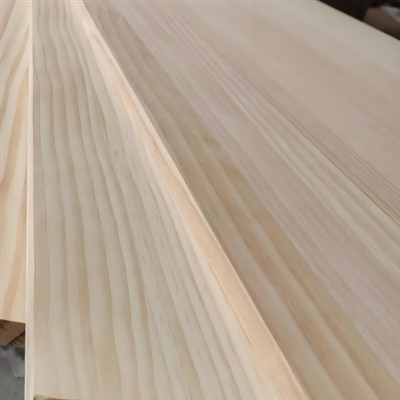
First off, let’s start with the basics: the two letters at the front of each name stand for the grade of the faces of the plywood. Plywood is made by gluing together thin wood veneers, right? Each panel has two outer faces (the ones you’ll see once it’s installed) and several inner plies that are hidden. The first letter is the grade of the finished face, and the second is the grade of the back face. That’s a key point people miss. So ACX = Grade A front, Grade C back, and CDX = Grade C front, Grade D back. Got that part?
Now, what do those letter grades actually mean? The grading for plywood is set by the APA—The Engineered Wood Association, which is the main industry body here, so that’s the standard everyone goes by. For Grade A, that’s the nicest face. No large knots, no gaps, almost no imperfections. You’ll get smooth, consistent wood, usually with a uniform color—looks pretty much like a solid wood board from a distance, maybe just a few tiny pinprick knots if it’s super clean. Grade C is a step down. You can have knots up to 2 ½ inches wide, small gaps between plies, and maybe a few small patches to cover defects. It’s functional, not pretty, but still solid. Grade D is even rougher. Larger knots, bigger gaps, more patches—this is the stuff you only see once the panel is installed, not on the surface.
Now the “X” on both ACX and CDX. That’s the big one that separates these from other plywood grades, and it’s why these two are so popular for DIYers and contractors alike. The X stands for exterior adhesive. Let me explain: plywood is glued together with different types of resin, right? Interior adhesive is for things like indoor furniture or walls where moisture isn’t a big issue—think bookshelves, closet shelving, baseboards. Exterior adhesive, though, is water-resistant. It won’t break down when it gets rained on, or sits in damp soil, or is exposed to high humidity. That’s why ACX and CDX are both exterior-rated, even though their faces are different. If you’re building something that’s going outside—or even inside where there might be spills or moisture (like a bathroom vanity, or a playroom floor that gets wet sometimes), you don’t want to use interior plywood. It’ll start delaminating, the plies will separate, and your project will fall apart way sooner than it should.
So now let’s get into ACX specifically, since that’s the higher-grade of the two. ACX has a smooth, pretty Grade A face on one side, which means you can use it as the finished surface of your project if you want. A lot of people use ACX for things like cabinet sides, fence gates, exterior trim, or even signs. Because the front looks good, you don’t have to paint it or cover it with another material if you don’t want to—you can just seal it with a clear coat and it’ll hold up outside. Wait, but it’s not just for looks. The back side is Grade C, which is still strong, so ACX is super durable overall. It’s thick, solid, and the exterior adhesive means it can handle rain, snow, temperature swings—all the stuff outdoor projects go through. I see a lot of homeowners go for ACX when they’re building a deck skirting, or a garden box that’s going to sit in the yard year-round. It’s versatile.
But here’s the thing: ACX is more expensive, right? Because the Grade A face takes more work to sort and prepare. The mills have to pick out veneer that’s free of big knots and gaps, so there’s more waste when they cut it. That adds to the cost. So if you’re working on a big project where the plywood won’t be seen—like the subfloor under your house, or the interior of a shed wall that you’re going to insulate and drywall over—ACX is overkill. That’s where CDX comes in.
CDX is the workhorse plywood. Let’s be clear: CDX has two Grade C and D faces? No, wait, earlier we said first letter is front, second is back. So CDX is Grade C front, Grade D back. The front is still solid, no major defects, and the back is rougher, but no one sees that. And it has that same exterior adhesive as ACX, so it’s just as moisture-resistant. That’s why CDX is the go-to for sheathing—like the plywood that goes under your roof shingles, or the walls of a shed that you’re not going to finish. It’s strong, cheap, and does exactly what it’s supposed to do without the pretty face. I sell more CDX than any other plywood, because most people don’t need a nice face for those projects. It’s perfect for framing out a treehouse, for example—you can nail it up on the sides, paint it if you want, but even if you leave it as is, it’s going to hold up way better than interior plywood.
Wait, but let’s clear up a common myth here. A lot of people think CDX is “cheaper quality plywood” overall, but that’s not true. The core plies of ACX and CDX are actually the same strength, same adhesive, same grade. The only difference is the faces. So if your project is hidden, CDX is just as durable as ACX, just less attractive. Don’t overspend on ACX if you don’t need the pretty face.
Another thing to consider: thickness. Both ACX and CDX come in all the standard plywood thicknesses—¼ inch, ½ inch, ¾ inch, even thicker for heavy-duty jobs. The thickness is about the structural strength, not the grade. So if you’re building a workbench top that needs to hold heavy tools, you’d go for ¾ inch, whether it’s ACX or CDX. Just remember, if it’s going to be exposed to moisture, you need exterior adhesive (the X) so ACX and CDX are the only two you should be looking at for that, not the interior grades like AC or CD (which don’t have the X, so they’re not for outdoor use).
Let me walk through a couple of real project examples to make this concrete. Say you’re building a raised garden bed. The sides are going to be outside, exposed to soil and rain. You want something that’s sturdy, looks okay, but doesn’t have to be fancy. CDX is perfect here. You don’t need a nice front face, because once you put soil in it, no one sees the plywood anyway. It’s cheap, durable, does the job. Now if you’re building a backyard sign that you want to look nice, with a smooth wood surface that you’re going to paint a pretty color and hang on the fence? ACX is the way to go. The smooth Grade A face makes painting way easier, and it’ll hold up to the sun and rain way better than any interior plywood.
Another example: subfloor. If you’re laying plywood over your floor joists before putting down tile or hardwood, you don’t care what the top face looks like, and it’s going to be covered anyway. CDX is the standard here, and it works perfectly. It’s strong enough to support the weight of furniture and people, and the exterior adhesive is more than enough to handle any spills or moisture from mopping.
What about downsides? Let’s be honest, ACX isn’t cheap. If you’re doing a big project like siding a whole shed, the cost difference between ACX and CDX can add up hundreds of dollars, so only go for ACX if you need that nice face. CDX, on the other hand, has more knots on the front face, so if you’re not planning to paint or seal it, it’s going to have a more rustic, knotty look. That’s a pro or a con depending on what you want. Some people actually like the rustic vibe, so CDX can be a style choice too now, not just a cheap functional choice.
I get a lot of questions about other plywood types, but ACX and CDX are the two most commonly used for residential projects, hands down. A lot of first-time builders mix them up, so they either spend too much on ACX when they don’t need it, or grab interior plywood for an outdoor project and end up with delamination after a few months. That’s why I always make sure to ask customers a couple of quick questions when they reach out: “Is this going outside, or where moisture might be an issue?” and “Will the plywood be visible once the project is done?” Those two questions narrow it down to which one is right for them.
Wait, also, let’s talk about the “exterior” rating. APA tests plywood, and ACX and CDX are both rated for Exposure 1 or Exposure 2? No, actually, the X designation means it’s exterior glue, which is rated for permanent exposure to weather. Wait, let me make that clear: interior glue is for dry conditions, Exposure 1 is for protected exposure to moisture (like wall sheathing that’s covered with siding), and Exterior glue is for unprotected exposure to weather. So both ACX and CDX have Exterior glue, so they’re good for outdoor use, even exposed to rain and sun. That’s the key difference from, say, AC interior, which has interior glue and will fall apart if it gets wet.
Another thing to note: sometimes you’ll see other letters, like BCX, but that’s not as common. It’s a middle ground, with Grade B front, still exterior glue, but BCX is somewhere between ACX and CDX in cost and appearance. But for most people, it’s ACX or CDX that you’ll run into.
So to wrap this up, let’s make a quick cheat sheet:
- ACX: Grade A front, Grade C back, Exterior adhesive. Good for visible exterior projects, where a smooth face matters. More expensive, looks nicer.
- CDX: Grade C front, Grade D back, Exterior adhesive. Good for hidden projects, or projects where function beats looks. Cheaper, works for almost any outdoor structural job.

If you’re still not sure which one fits your build—whether it’s a small DIY project or a big residential job—don’t guess. I’ve helped hundreds of people pick the right plywood over the years, and I can walk you through what you need based on your project size, location, and how visible the plywood will be. Shoot me a message or give me a call, and we can work out the right type and thickness for your needs, no pressure, no confusing jargon. We’re here to make sure you get the right plywood for the job, not the one that costs the most or looks the fanciest.
Russian Style Coffin References
APA – The Engineered Wood Association. (2022). Plywood Grades and Specifications. Retrieved from industry standard documentation for wood product grading.
U.S. Department of Agriculture. (2019). Exterior Plywood Adhesives and Weather Resistance. Wood Handbook: Wood as an Engineering Material.
National Association of Home Builders. (2021). Guide to Residential Plywood Uses and Applications. Residential Construction Best Practices.
Cao County Huifengyuan Wooden Co., Ltd.
Cao County Huifengyuan Wooden Co., Ltd. is one of the most experienced manufacturers and suppliers of plywood in China. Please rest assured to wholesale high quality plywood at competitive price from our factory. If you have any enquiry about customized service, please feel free to email us.
Address: Changgangmiao Village, Zhuangzhai Town, Cao County, Heze, Shandong, 274404, China
E-mail: admin@hfywooden.com
WebSite: https://www.hfycoffin.com/
